
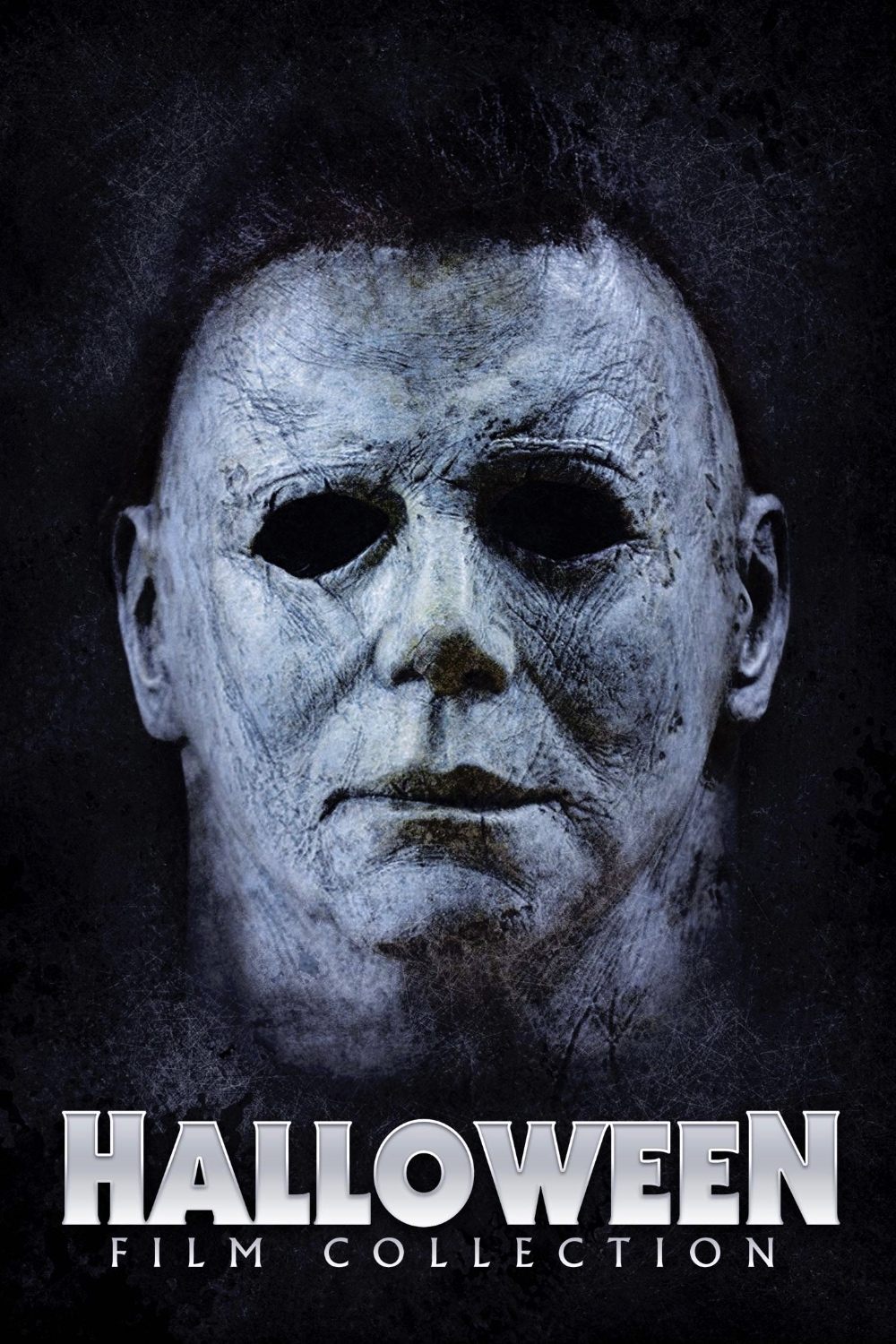
Halloween · 1978–2022
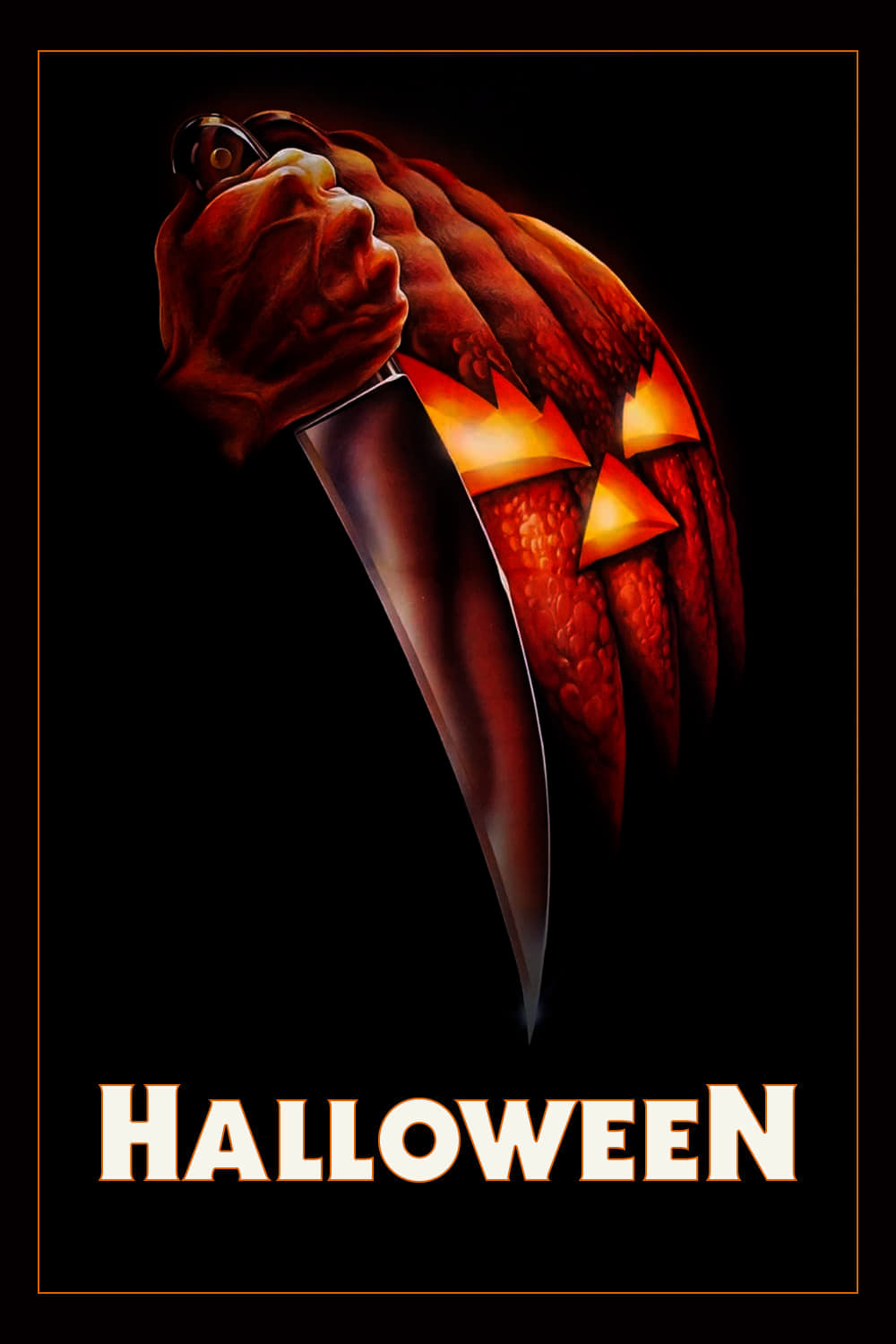 1
Halloween
1978★ 4.6
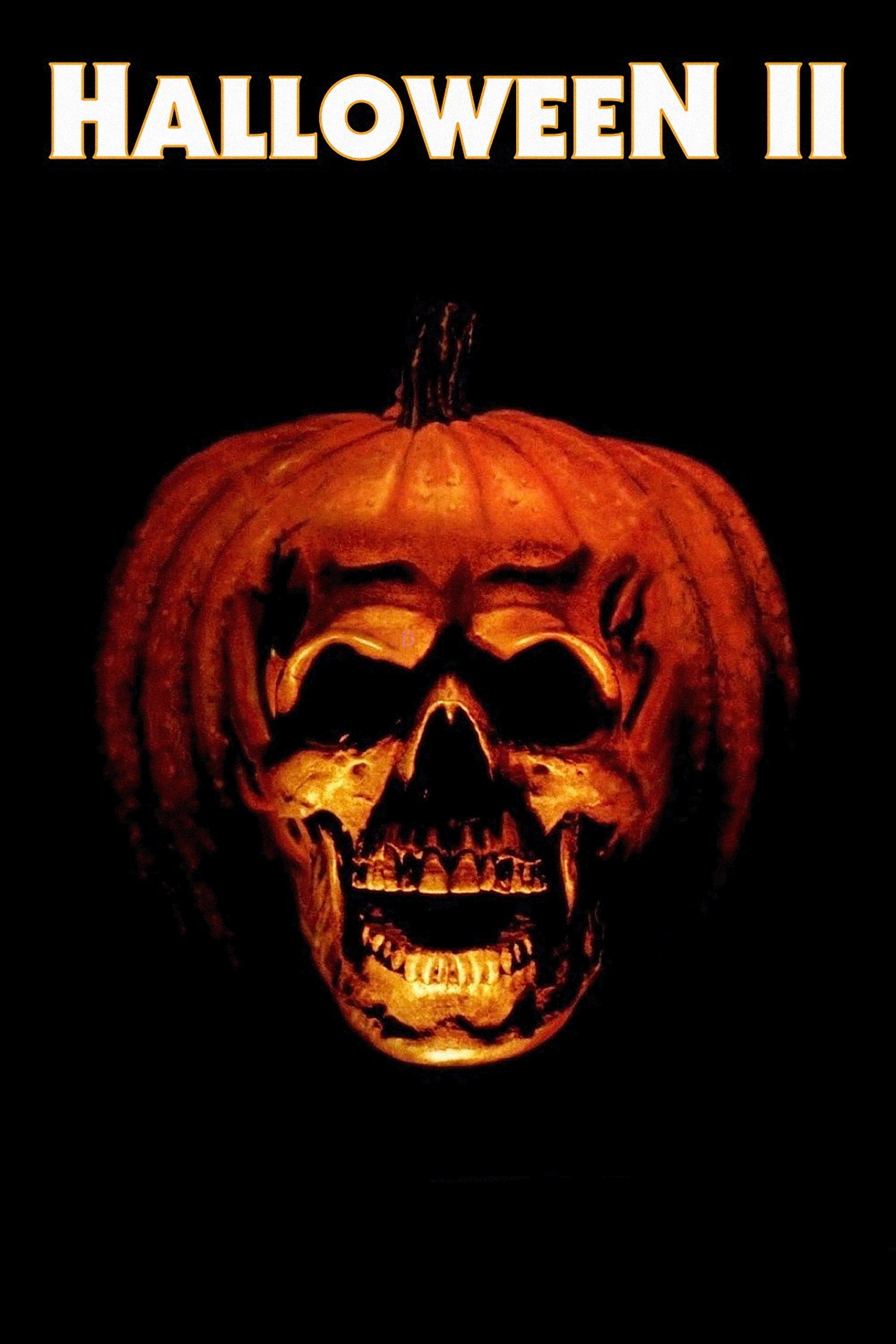 2
Halloween II
1981★ 3.5
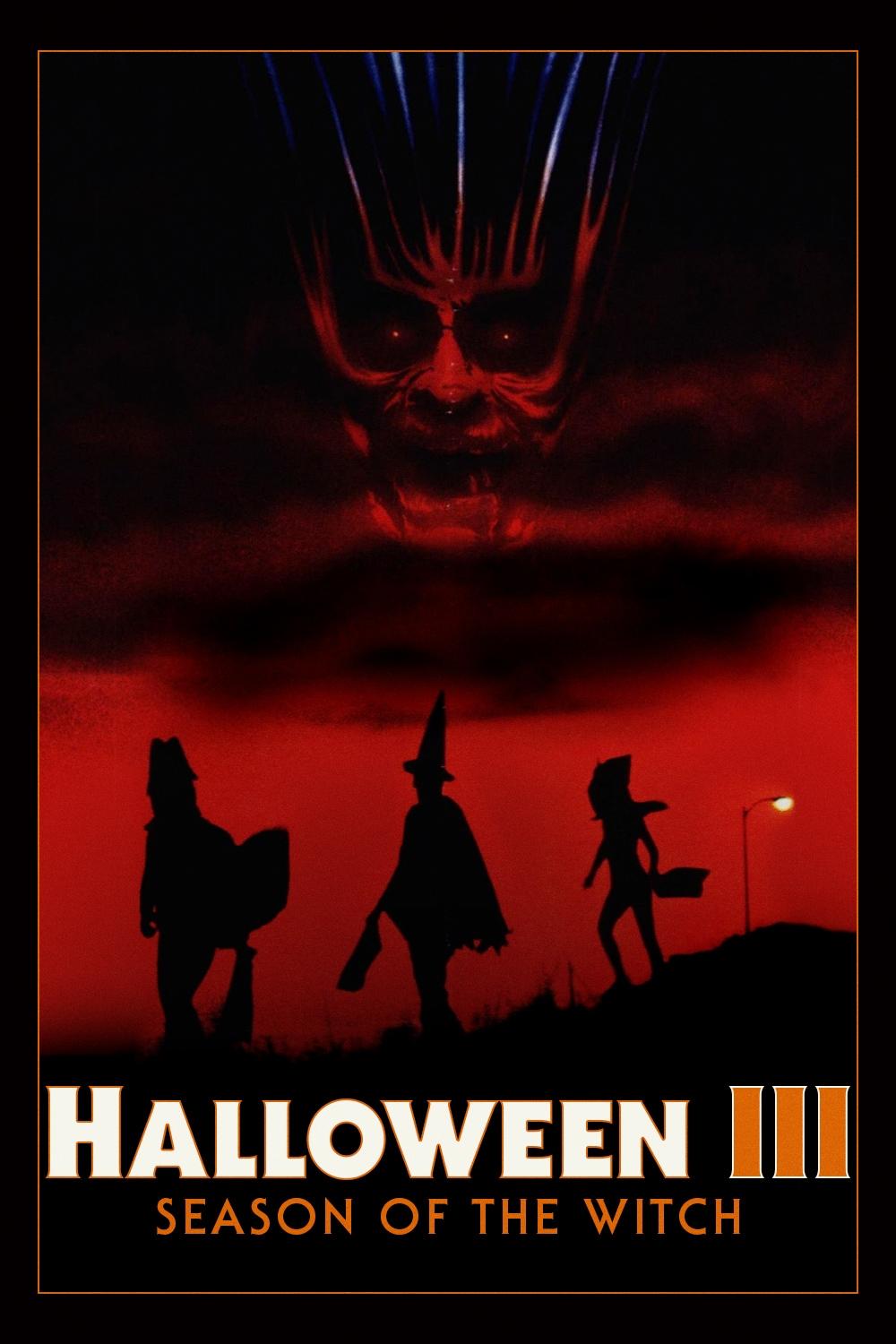 3
Halloween III: Season of the Witch
1982★ 2.9
 4
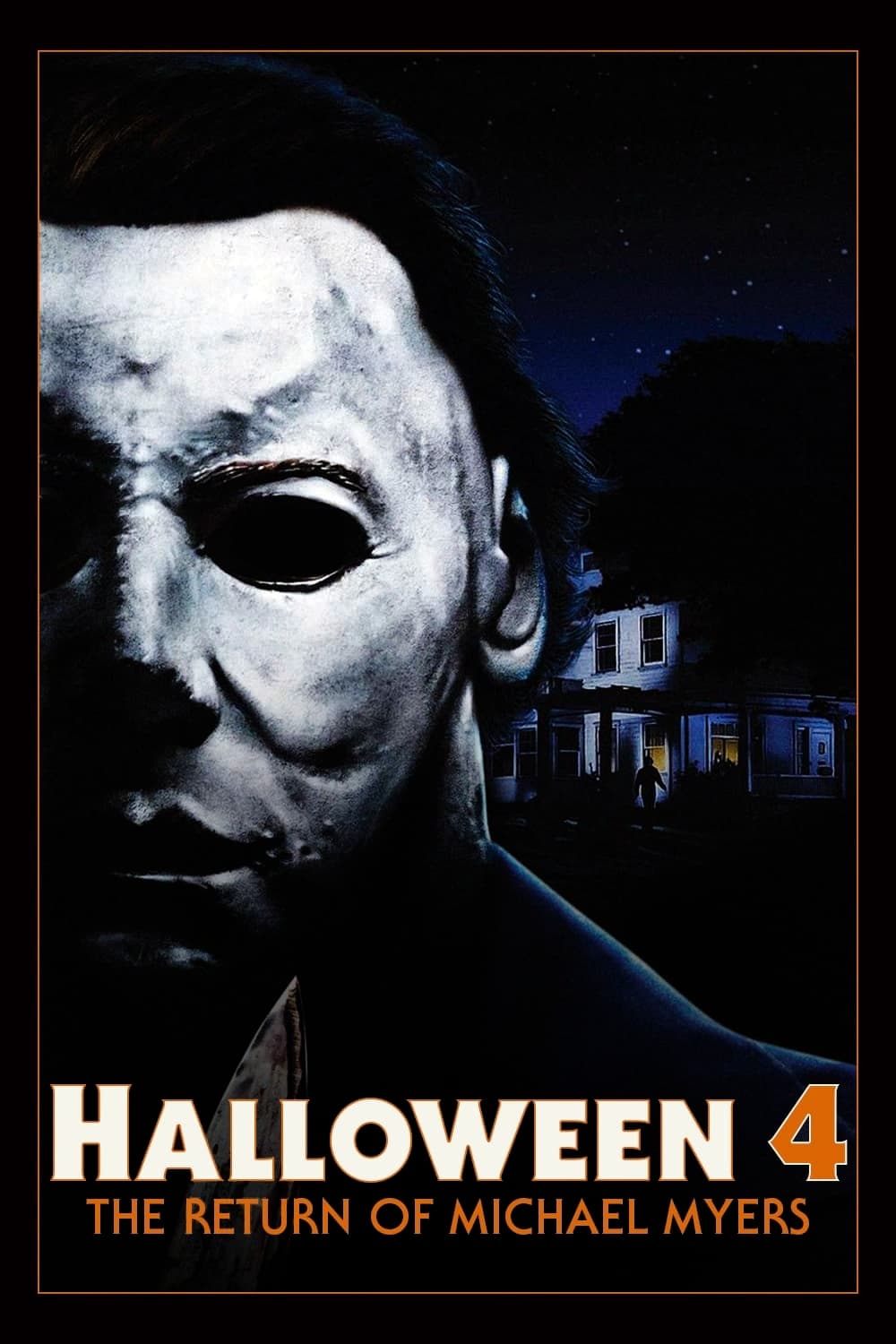
Halloween 4: The Return of Michael Myers
1988★ 2.8
 5
Halloween 5: The Revenge of Michael Myers
1989★ 2.3
 6
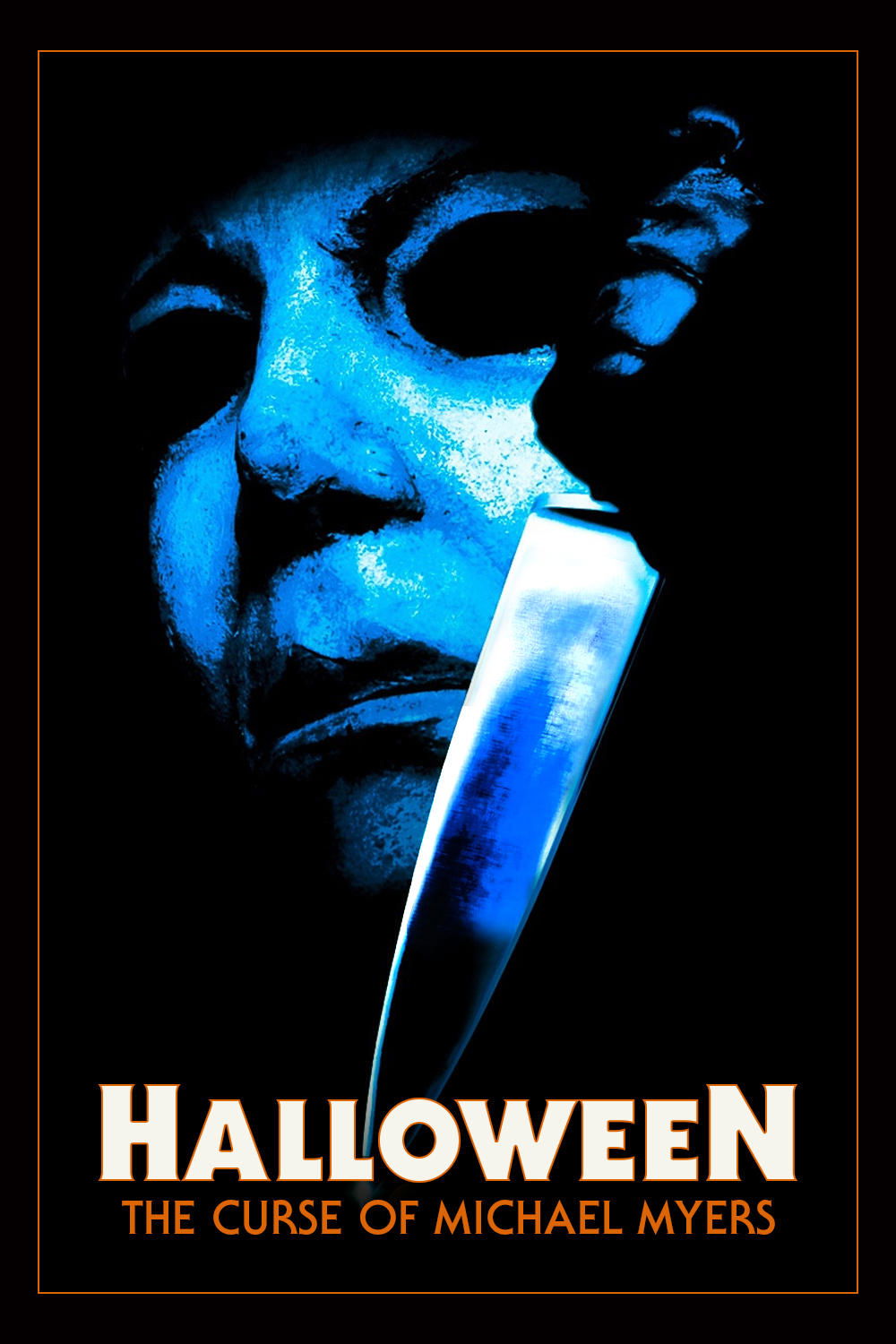
Halloween: The Curse of Michael Myers
1995★ 2.0
 7
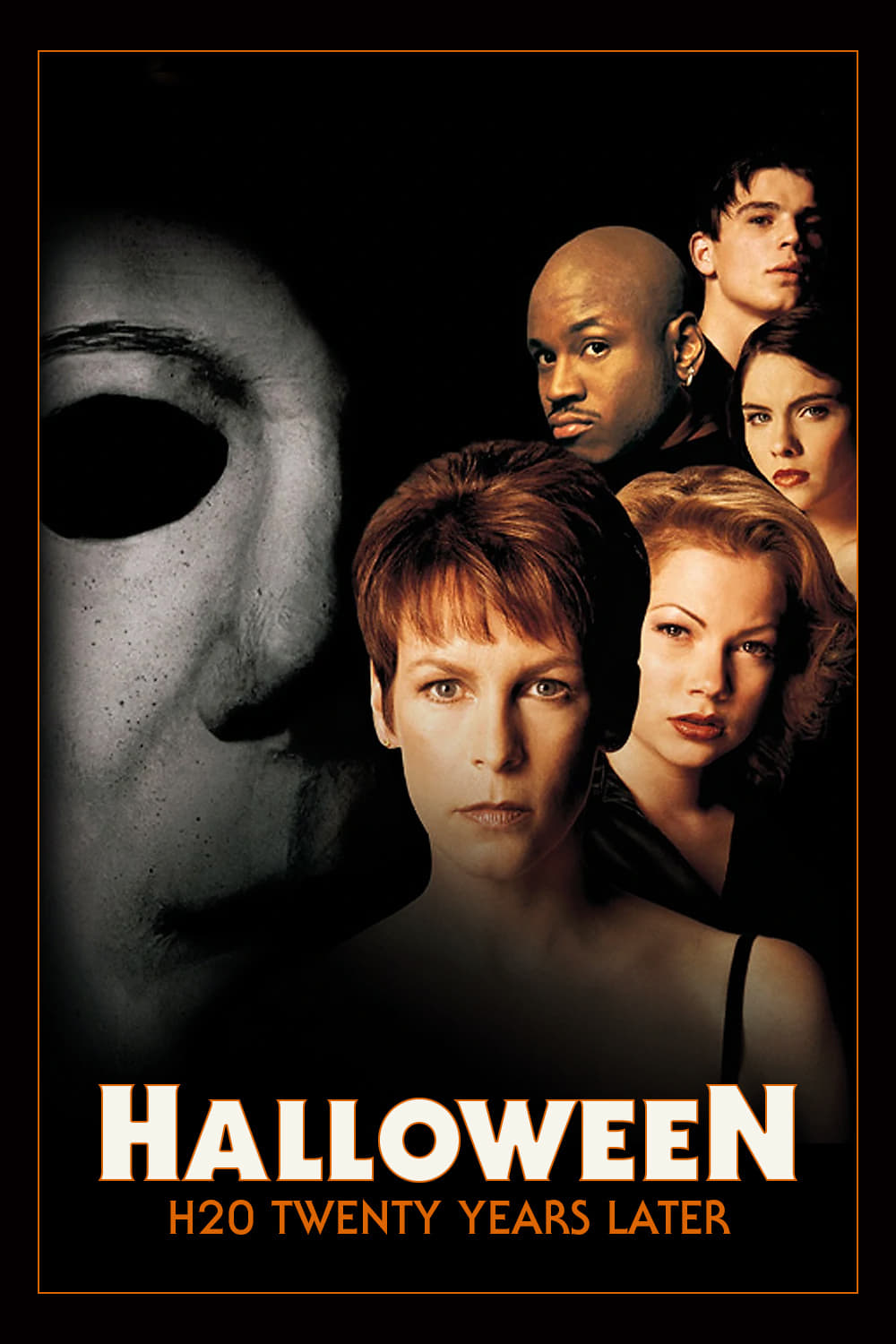
Halloween H20: 20 Years Later
1998★ 3.3
 8
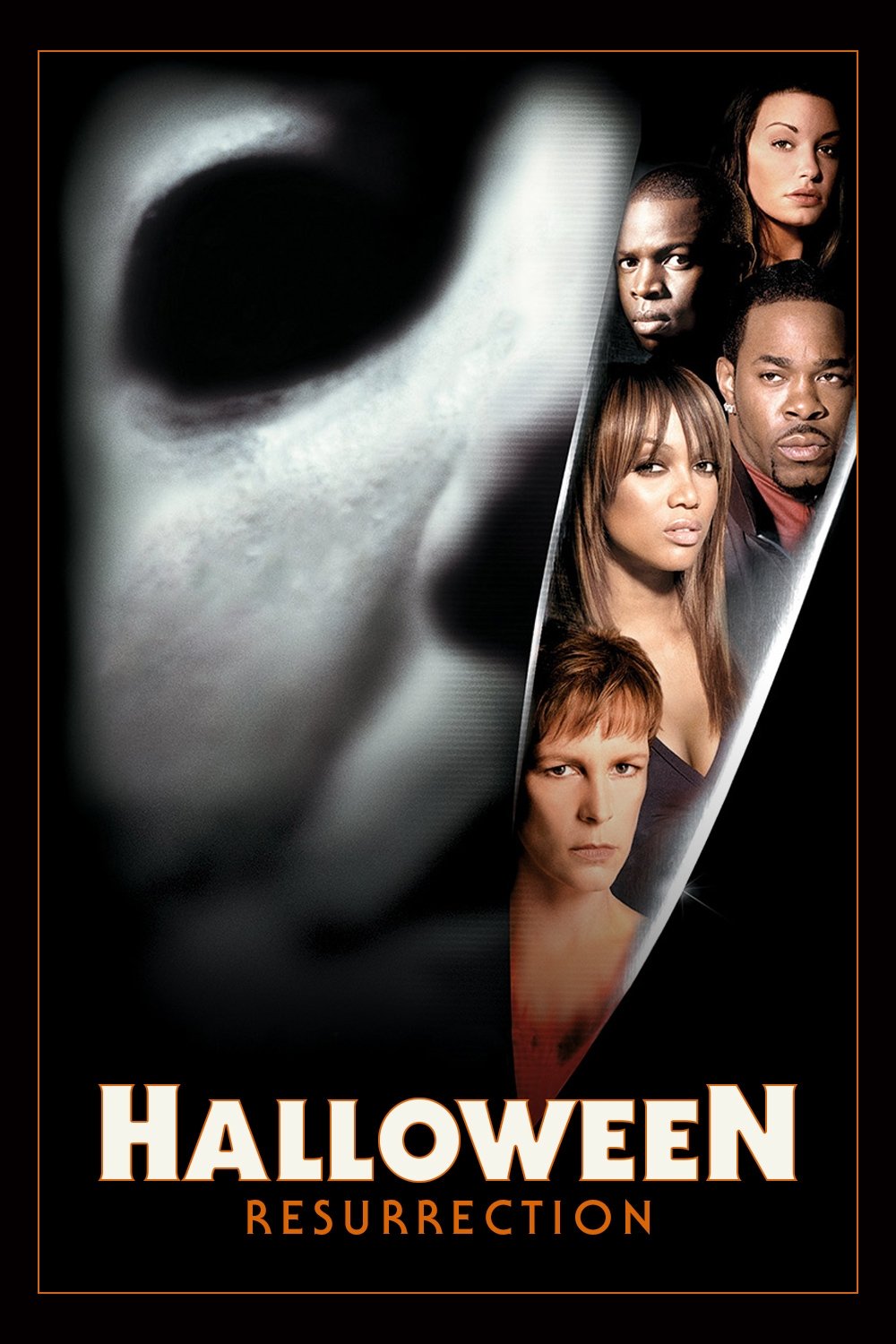
Halloween: Resurrection
2002★ 1.9
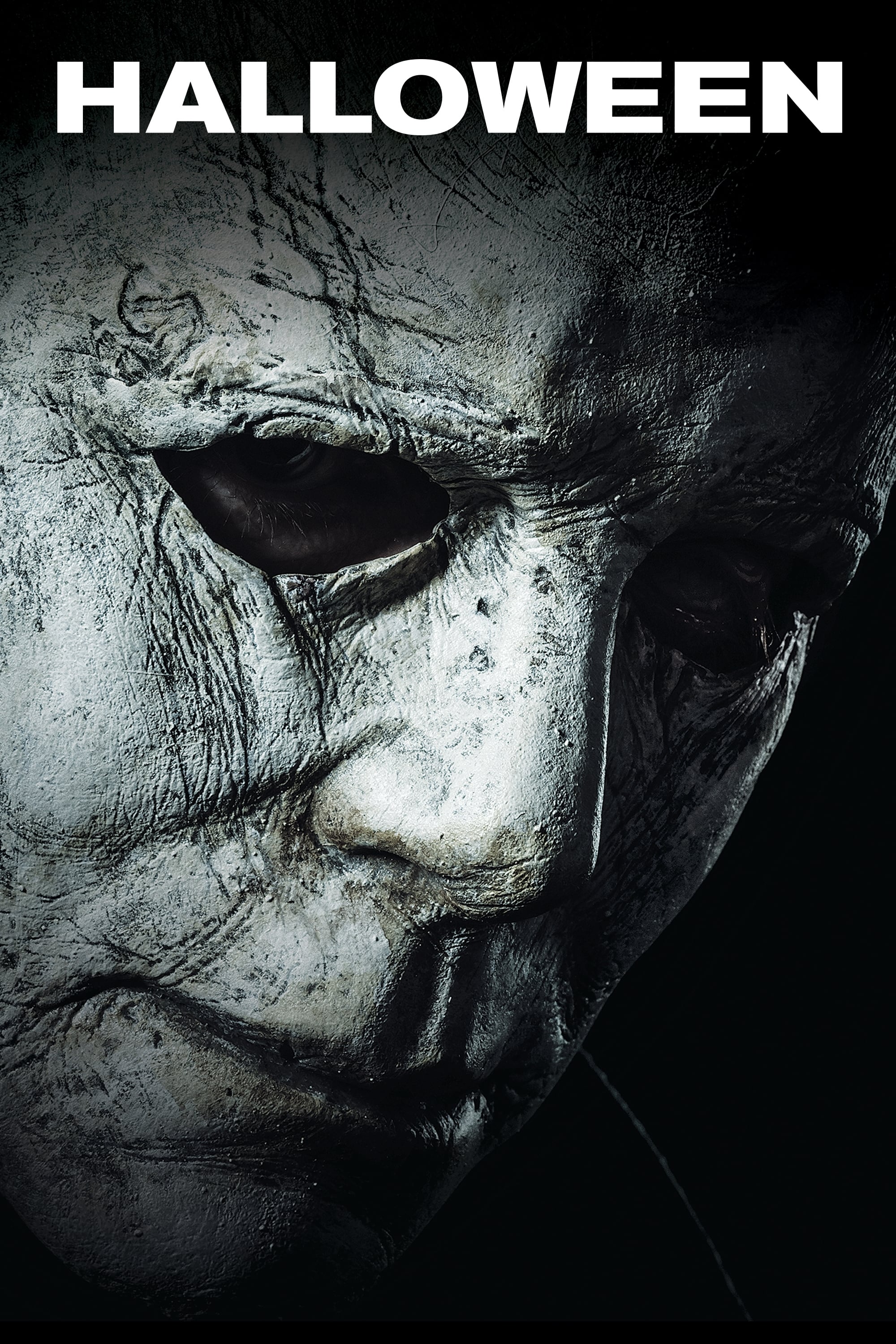 9
Halloween
2018★ 3.8
 10
Halloween Kills
2021★ 3.2
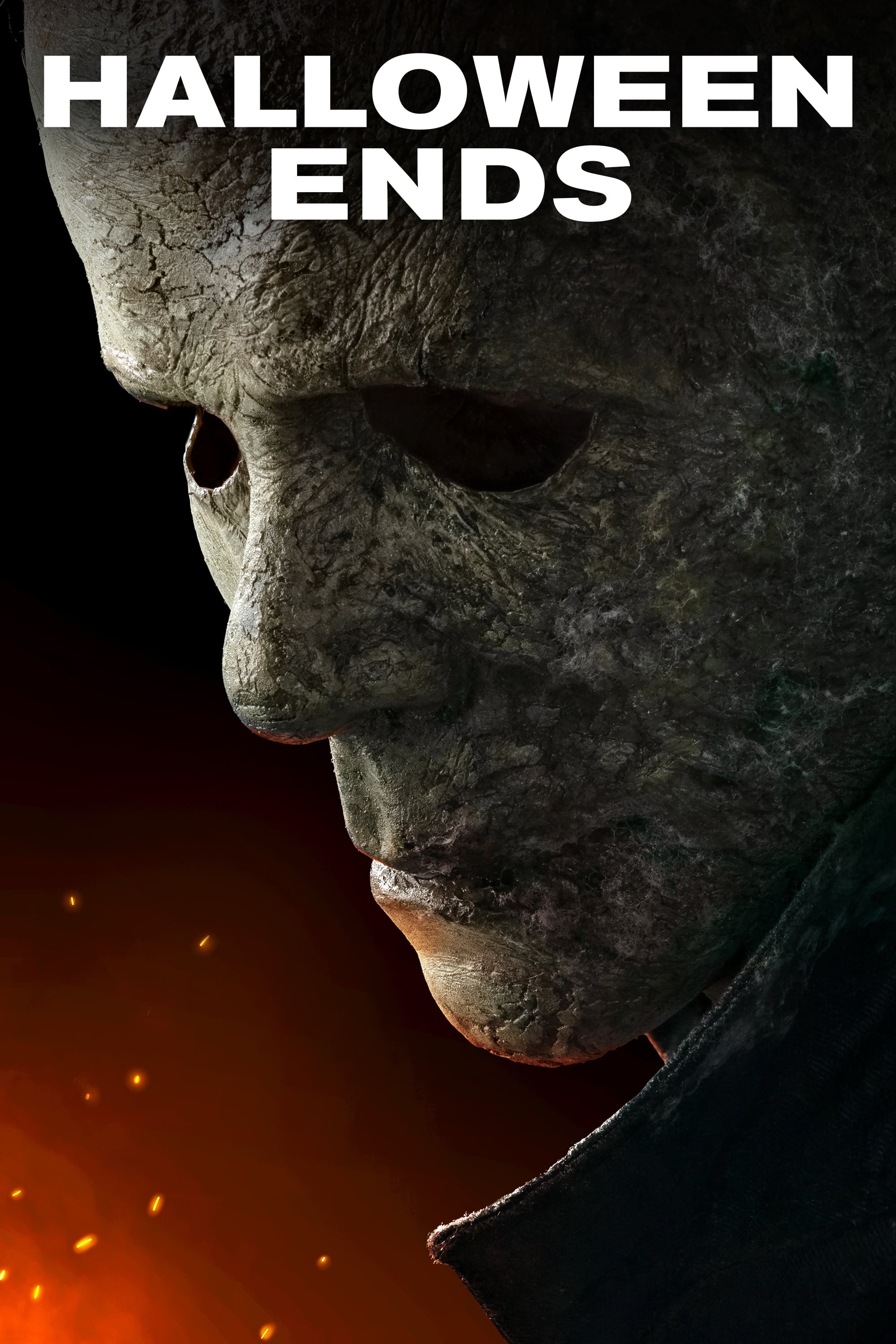 11
Halloween Ends
2022★ 2.6
Halloween (Rob Zombie Series) · 2007–2009
Ratings across the series
Quality score out of 100, blending Rotten Tomatoes, Metacritic, IMDb and TMDB. In release order; the best-rated entry is in gold. Hover a bar for the title.
Wiki
Origins
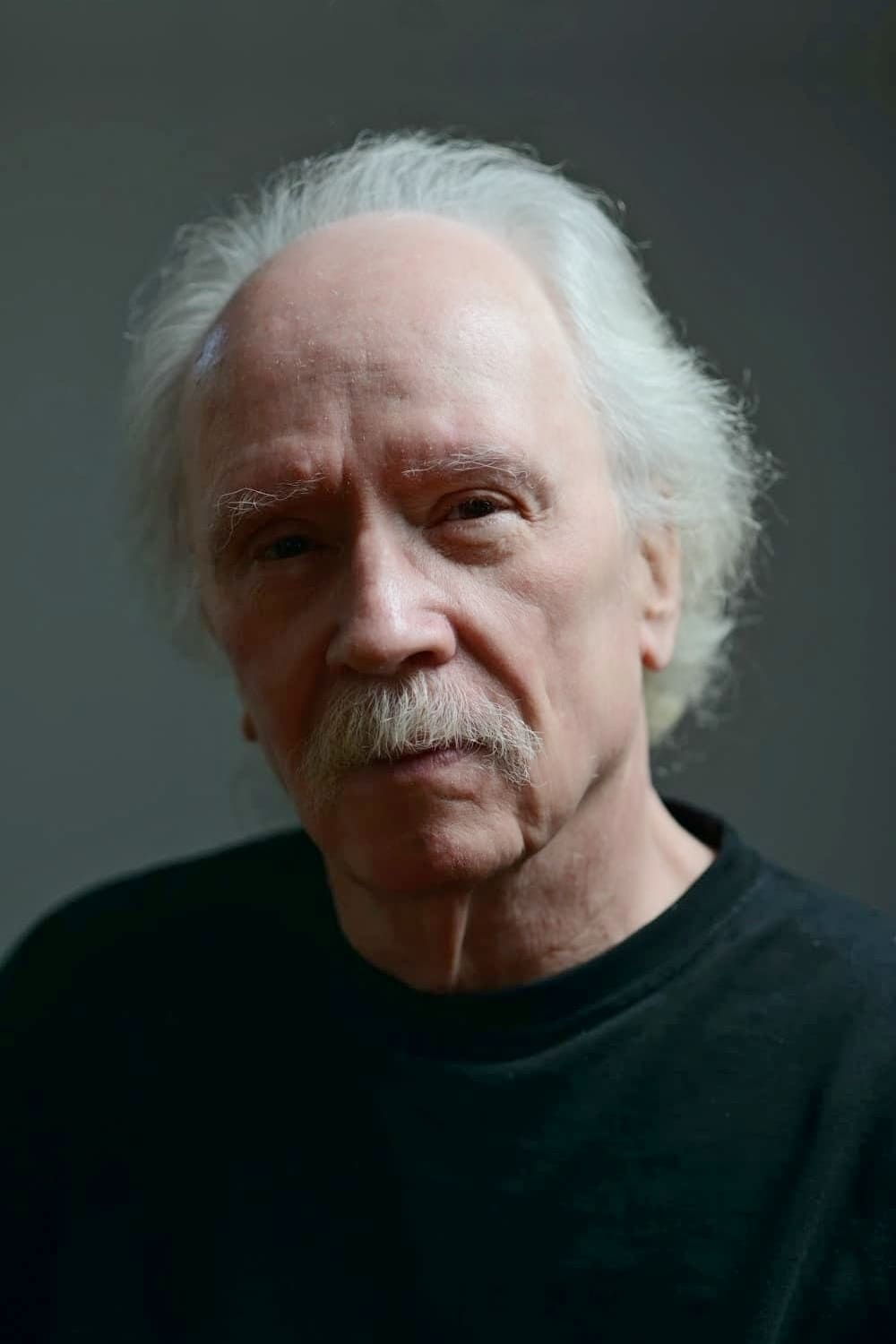
Halloween began as producer Irwin Yablans' idea: a killer stalking babysitters with the working title The Babysitter Murders. He took it to John Carpenter, fresh off Assault on Precinct 13, who wrote the screenplay with producer Debra Hill. Yablans suggested setting it on a single night (to save money), setting it on the holiday, and calling it Halloween, and Moustapha Akkad put up the $300,000 budget for filming.
Comparisons with Black Christmas (1974) started early. Both films open on the killer's point of view as he enters a house, and both pit young women against a holiday-themed, suburban killer. There's even a story that Carpenter once asked Bob Clark how he'd make a Black Christmas sequel, and Clark said the killer would be caught, locked up, and escape on Halloween. But Clark always rejected the idea that he'd been copied: "He did not copy my movie. Halloween is entirely John Carpenter's and one of the greats of its kind."
While conceiving of Michael Myers' mask, Carpenter referenced Hervey Cleckley's The Mask of Sanity (1941), a study of psychopathy. Cleckley argues that psychopaths only appear normal on the surface, lacking any real feeling for others underneath. Carpenter would tell Adam Rockoff that the book had always chilled him: "to us they appear human, but underneath they're just machines." The mask was "kind of a literal interpretation." Tommy Lee Wallace bought a cheap Captain Kirk mask on Hollywood Boulevard, widened the eye holes and spray-painted it a bluish white. Carpenter chose it over a clown mask, "which would be obvious."
The same idea is expressed in the story by Dr. Loomis, who insists Michael is a type of pure evil that the authorities can't reason away. Carpenter recalls Loomis's description of the boy's blank, pale face with "the devil's eyes" came from a patient he saw on a class trip to a mental institution while studying at Western Kentucky University.
The slasher boom
Halloween (1978) didn't only net $55 million, it also ignited a slasher boom that would last for nearly a decade. A wave of imitators followed, with Friday the 13th (1980) the most successful, and the cycle evolved into what production designer Tommy Lee Wallace called "an arms race of violence, guts, and gore."
That arms race would fundamentally shape Halloween II (1981). Carpenter and Hill had little interest in a sequel. In his commentary for the 1978 film, Carpenter says they were "forced" into it: it would be made with or without them, and it was a way to collect money still owed to them from the first film. He also says that when he sat down to write it, he realized there was no story left and decided to just pick up five minutes after the first film ended. First-time director Rick Rosenthal wanted to favor suspense over gore, as the original had, but Carpenter overruled him: he felt audiences now used to Friday the 13th would expect more blood. The resulting film is far gorier than the original, built around a patchwork of lore updates, like Laurie Strode turning out to be Michael's sister.
Season of the Witch
After killing off Michael in *Halloween II*, Carpenter and Hill's plan was to turn Halloween into an anthology series, with a new story each year. Halloween III: Season of the Witch (1982), written and directed by Halloween crew member Tommy Lee Wallace, has no Michael Myers at all, instead modeled after Invasion of the Body Snatchers, down to naming the town Santa Mira.
Critics panned it and audiences stayed away. It grossed just $14 million on a $2.5 million budget, against $25.5 million for Halloween II, while Friday the 13th Part III made more than twice as much that same year. The lesson the industry took was that a Halloween film needed its slasher. The anthology plan died then and there.
The sequels Carpenter didn't want
Carpenter and Hill turned down sequel offers for years, but their partners in the rights threatened to sue them for blocking use of the property. Carpenter backed Dennis Etchison's script for a fourth film--a psychological ghost story--but Akkad blocked it and asked for something closer to the original. "It was like a curse," Carpenter told Fangoria. So in 1987, he, Hill, and Yablans sold their stakes, ceding full creative control to Akkad.
Halloween 4: The Return of Michael Myers (1988) brought Michael back, along with Donald Pleasence as Dr. Loomis, and opened at number one, but the success was short-lived. Halloween 5: The Revenge of Michael Myers (1989) became the series' lowest grosser, and Halloween: The Curse of Michael Myers (1995), heavily reshaped by studio interference, drew the worst reviews of the series so far, concluding what would become known as the Thorn Trilogy.
Scream (1996) relaunched the slasher genre, modernizing the formula made famous by Halloween. Bob Weinstein of Dimension, which had released both Curse and Scream, asked Scream writer Kevin Williamson to write the franchise's seventh installment. Williamson was busy with Dawson's Creek and wrote only a six-page treatment, but, along with returning original Laurie Strode actor Jamie Lee Curtis, persuaded Steve Miner to direct. Robert Zappia's final script drew on the Williamson treatment, but a Writers Guild arbitration denied Williamson credit. He stayed on as an executive producer and polished the dialogue uncredited. "I connected Halloween to Scream to Halloween H20," he told the Los Angeles Times. "It's like a mirror looking into a mirror."
The result, Halloween H20: 20 Years Later (1998), feels a little more like Scream than Halloween. It ignored films 3 through 6 and served as a direct sequel to Halloween II. But it grossed $55 million domestically and made the series respectable again. Halloween: Resurrection (2002), however, followed, killing Laurie in its opening minutes and stopping the franchise's momentum dead in its tracks.
Rob Zombie's remake
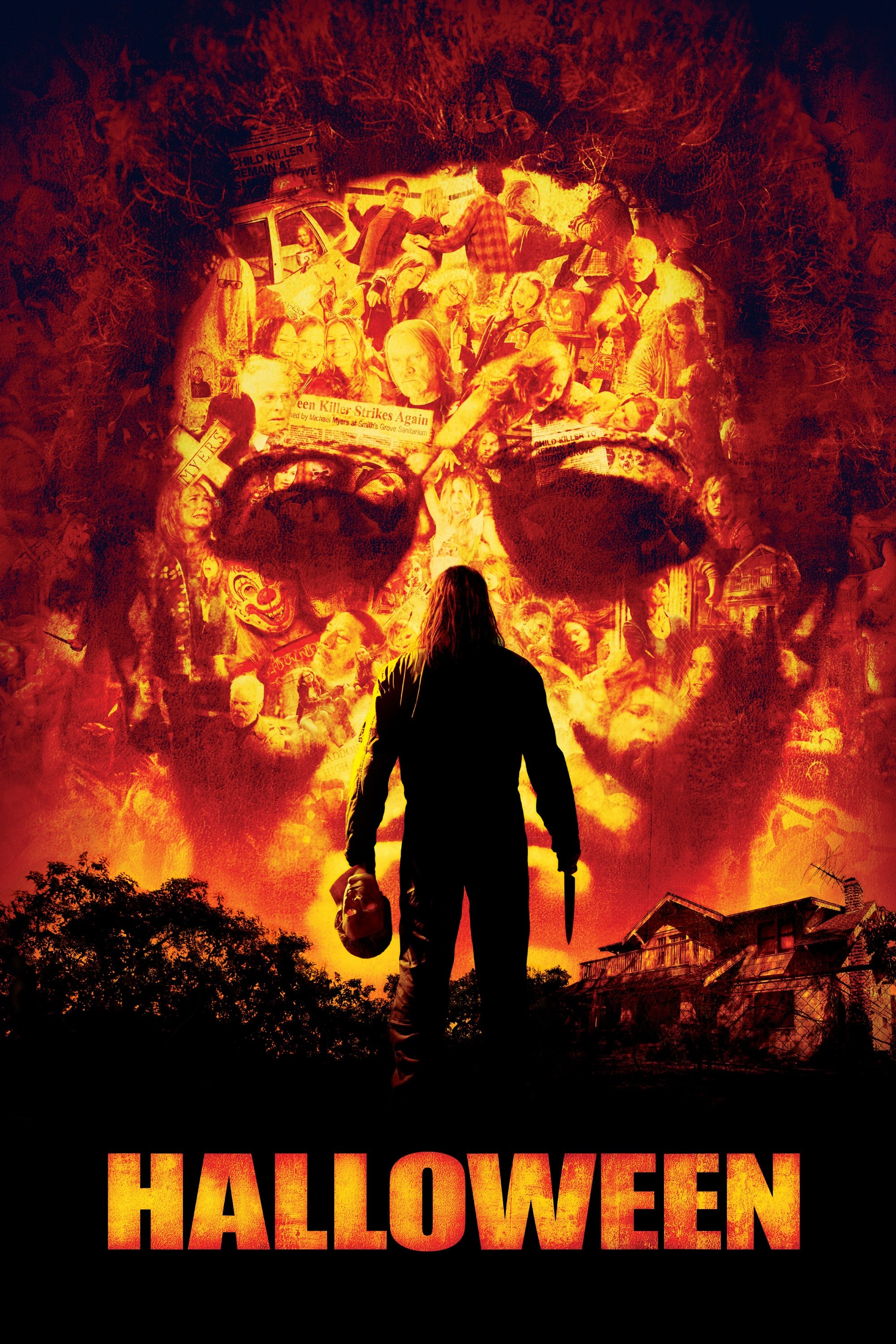
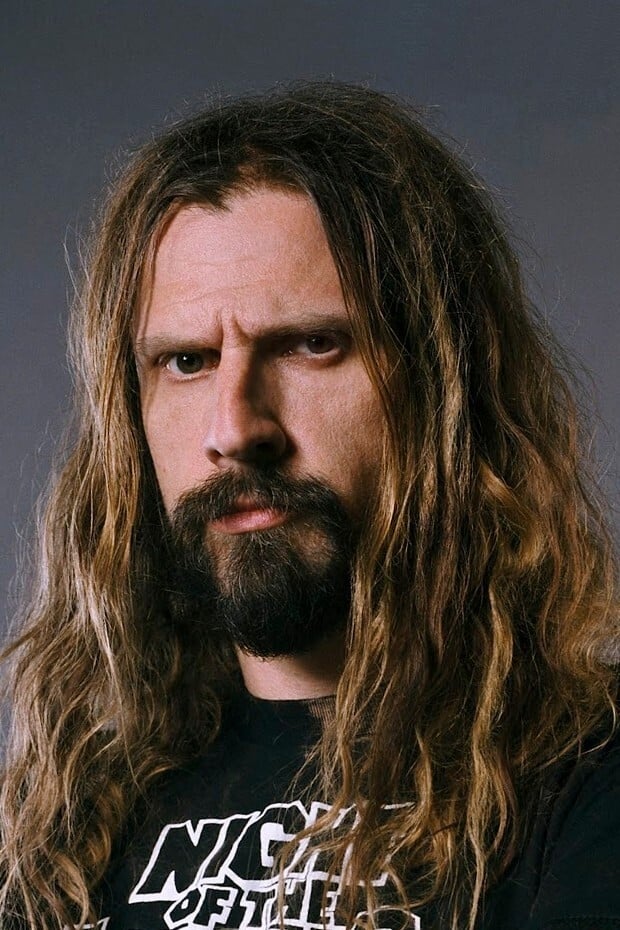
Rob Zombie's Halloween (2007) reimagined the original and spent much of its runtime on Michael's childhood: an abusive home, bullying at school, a boy who's a killer long before he picks up the mask. That's a long way from Carpenter's blank, unexplained evil, and the reviews were mixed to negative. But it didn't matter at the box office: it took more than $30 million over Labor Day weekend, a record for the holiday.
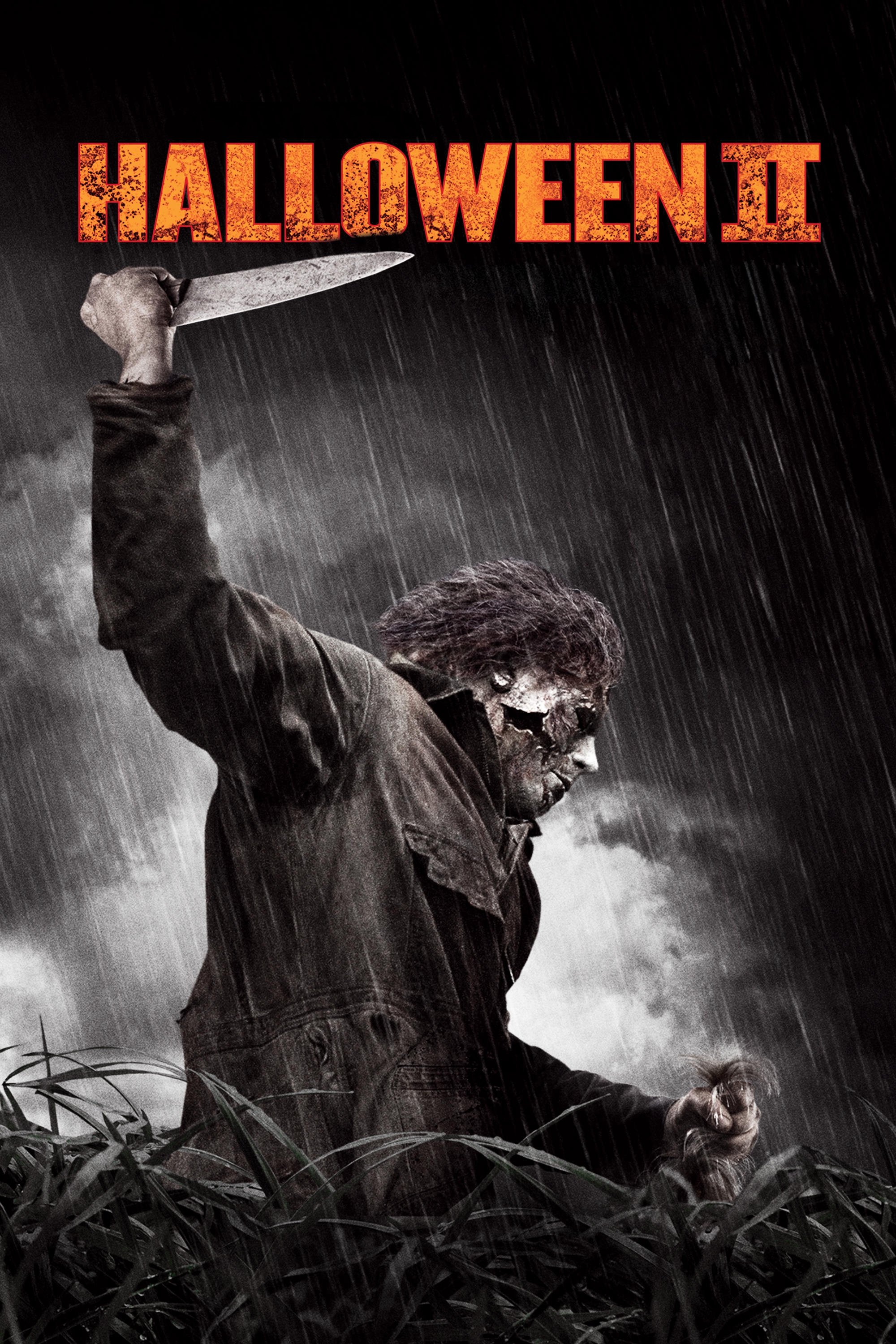
Zombie reluctantly returned with a free hand for Halloween II (2009), which critics savaged. It grossed $39 million worldwide and lost its opening weekend to The Final Destination.
The Blumhouse trilogy
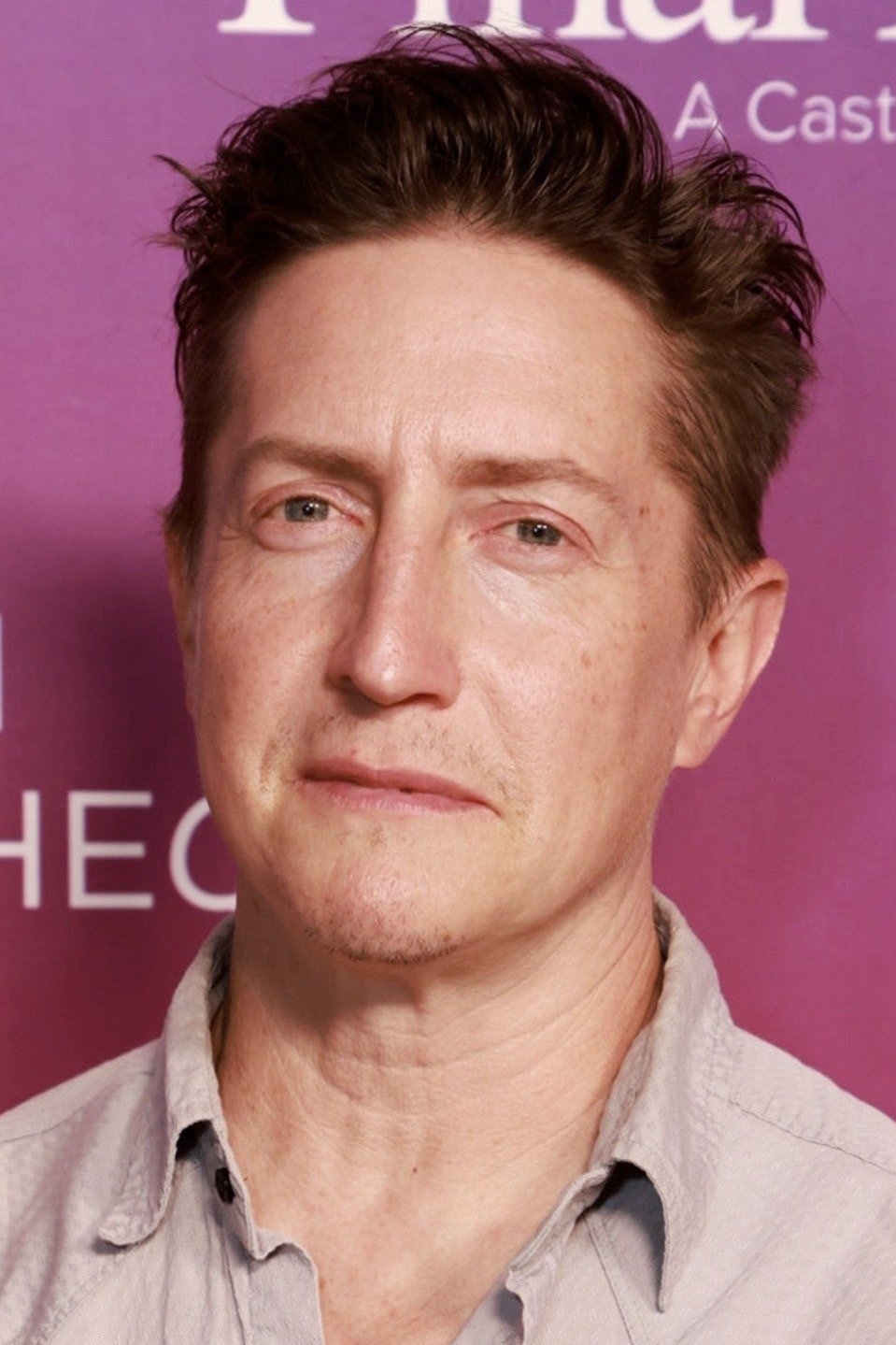
Jason Blum would eventually agree to co-produce a new installment with Miramax, but only if Carpenter came back in some capacity. Carpenter signed on as executive producer and creative consultant. David Gordon Green directed, and wrote Halloween (2018) with Danny McBride and Jeff Fradley, a direct sequel to the 1978 film that ignores every sequel. Carpenter was finally allowed to retcon the sibling twist he regretted writing into Halloween II. Curtis returned as a Laurie who has spent forty years preparing for Michael to come back. It became the highest-grossing slasher film ever made at the time.
Halloween Kills (2021) followed, to mixed reviews, as did Halloween Ends (2022), which shifts much of its focus to a new character and ends with Michael dead, with no successor. Wayne Byrne calls it an "anticlimactic denouement."
Miramax is reportedly planning a reboot for 2028, the franchise’s 50th anniversary, though nothing has been officially announced.
Sources
Dustin McNeill, Taking Shape: Developing Halloween From Script to Scream (2019); Adam Rockoff, Going to Pieces: The Rise and Fall of the Slasher Film, 1978–1986 (2002); Wayne Byrne, You Can't Kill the Boogeyman; John Carpenter, Debra Hill and Jamie Lee Curtis, Halloween audio commentary.
Wiki Media (1)
The Halloween Continuity Timeline
Directors
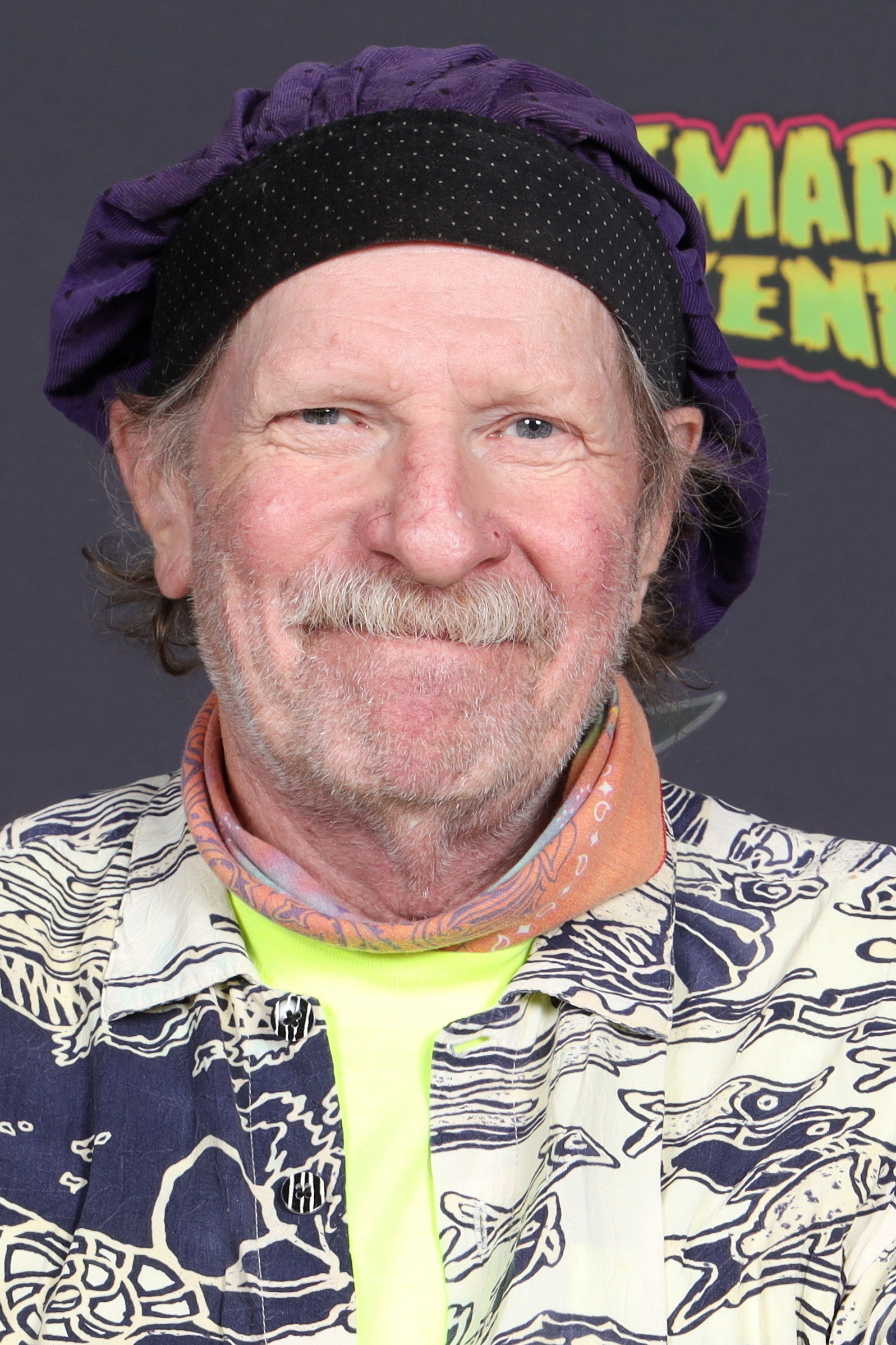



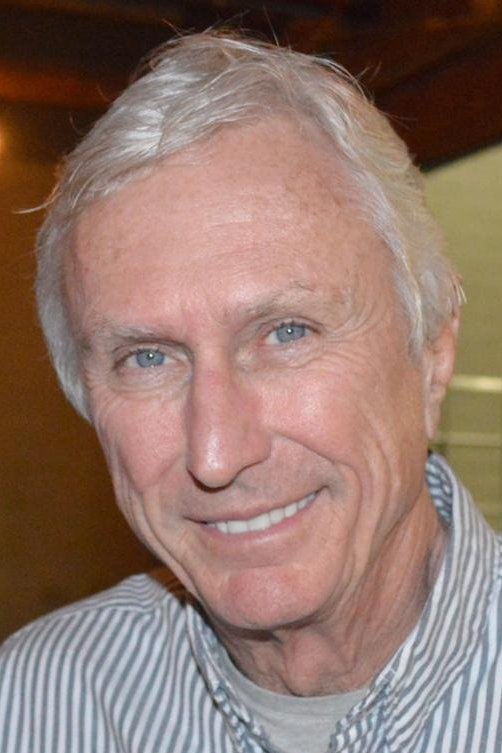
Recurring cast

Jamie Lee Curtis
Laurie · 8 films
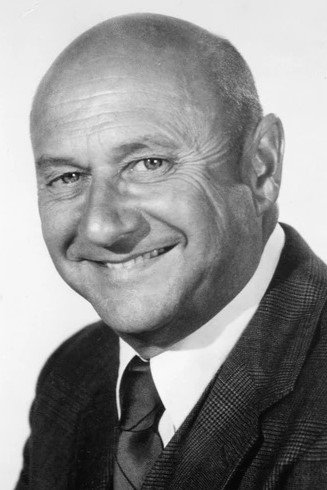
Donald Pleasence
Loomis · 5 films
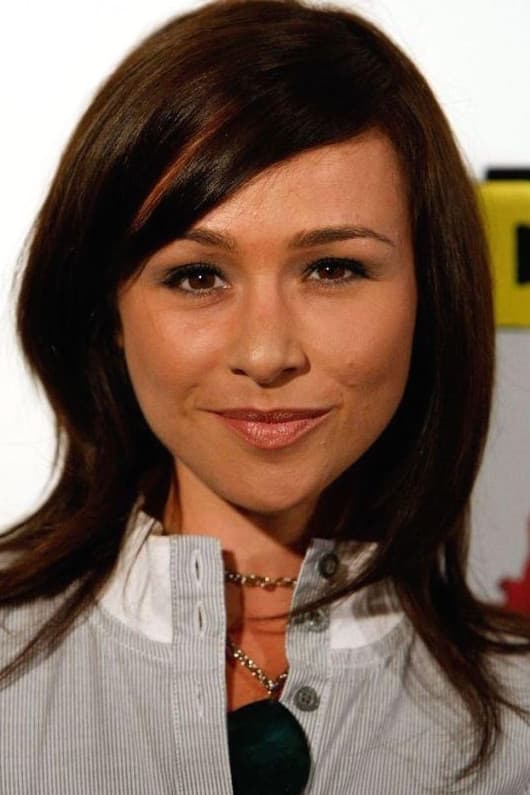
Danielle Harris
Jamie Lloyd · 5 films
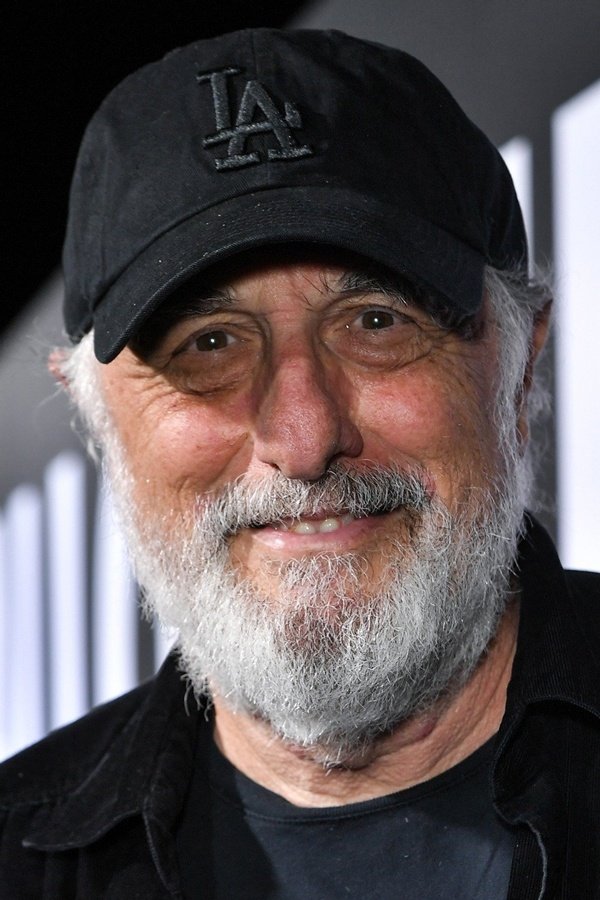
Nick Castle
The Shape · 4 films

Kyle Richards
Lindsey · 4 films

Nancy Stephens
Marion · 4 films

Andi Matichak
Allyson · 3 films
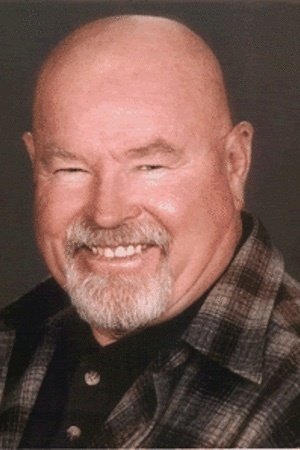
Charles Cyphers
Brackett · 3 films

Nancy Kyes
Annie · 3 films
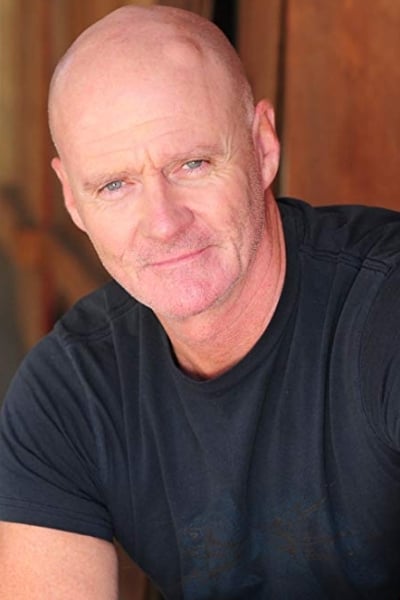
James Jude Courtney
The Shape · 3 films
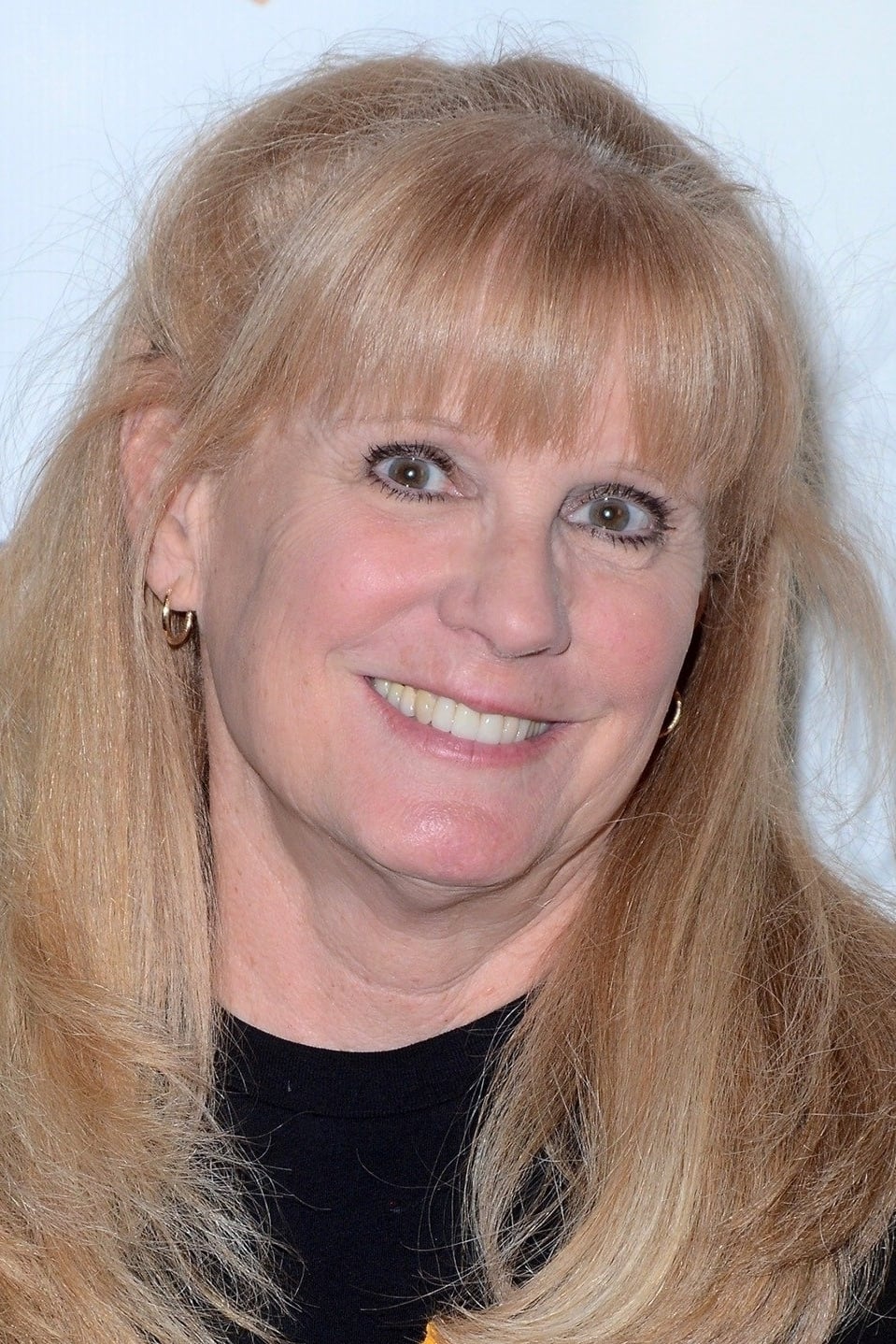
P. J. Soles
Lynda · 3 films

Will Patton
Officer Hawkins · 3 films

Jibrail Nantambu
Julian · 3 films

Scout Taylor-Compton
Laurie Strode · 2 films
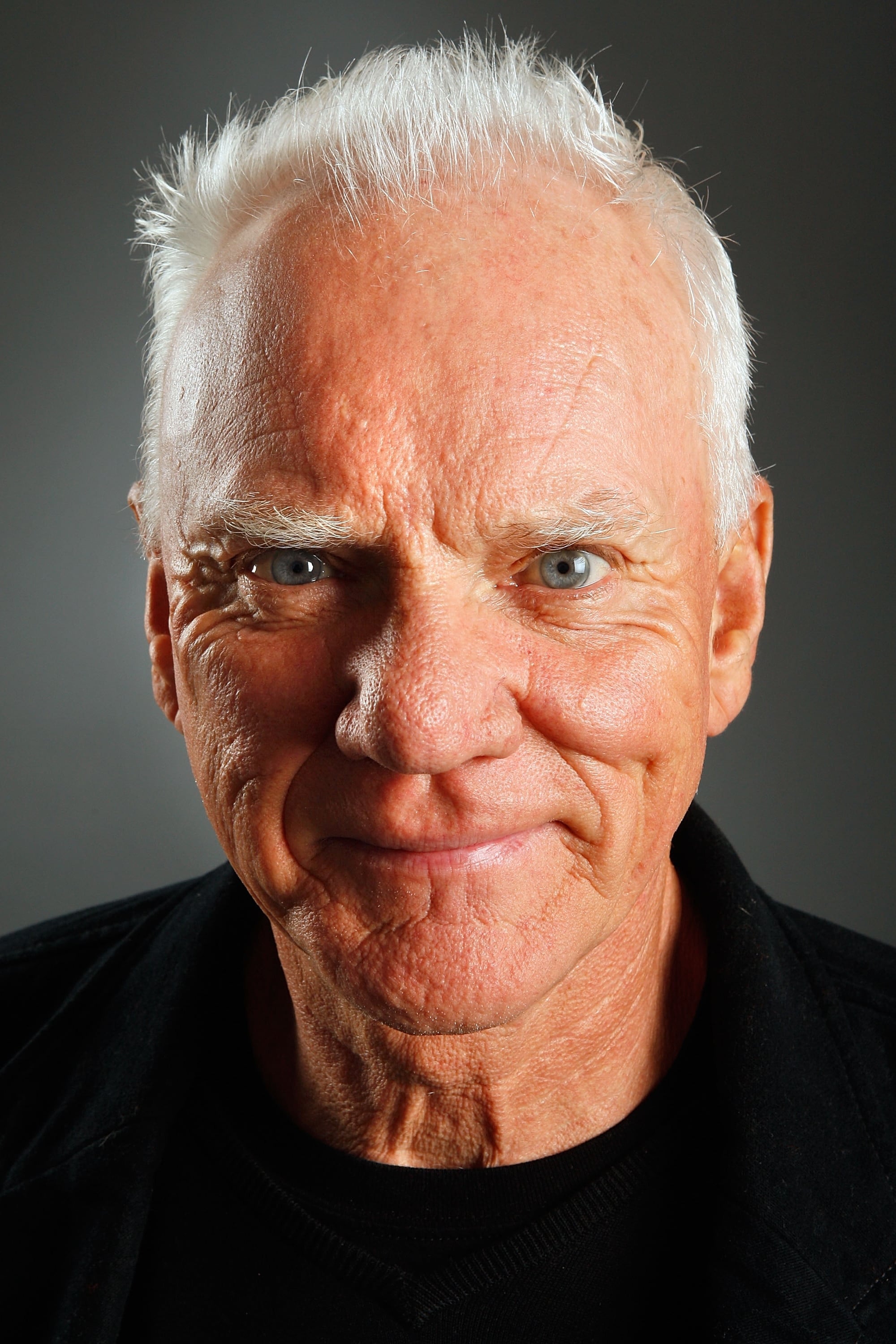
Malcolm McDowell
Dr. Samuel Loomis · 2 films

Judy Greer
Karen · 2 films

Sheri Moon Zombie
Deborah Myers · 2 films

Ellie Cornell
Rachel Carruthers · 2 films
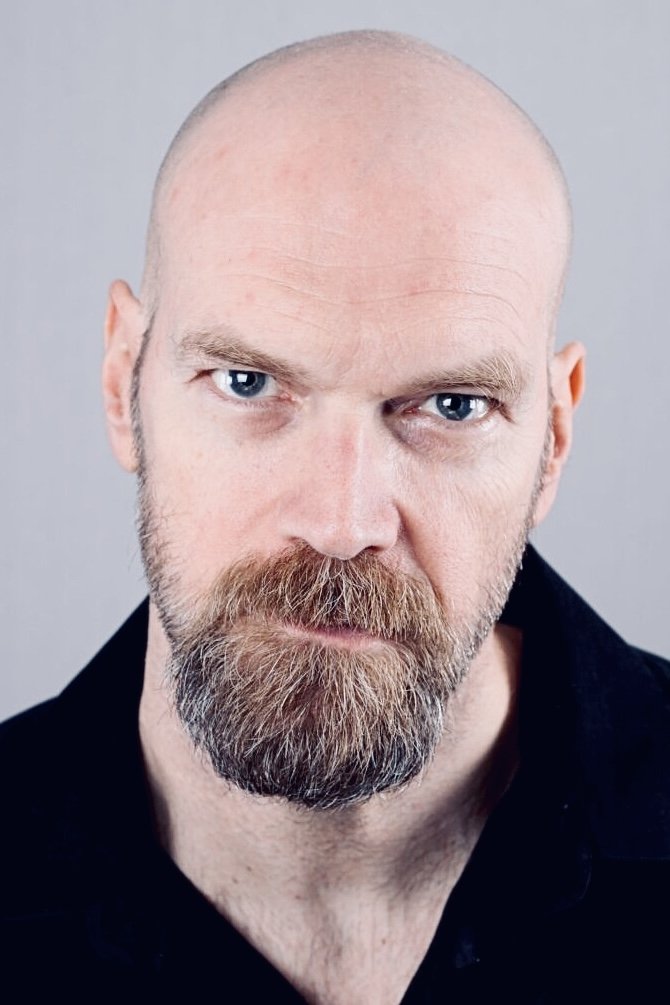
Tyler Mane
Michael Myers · 2 films

George P. Wilbur
Michael Myers · 2 films
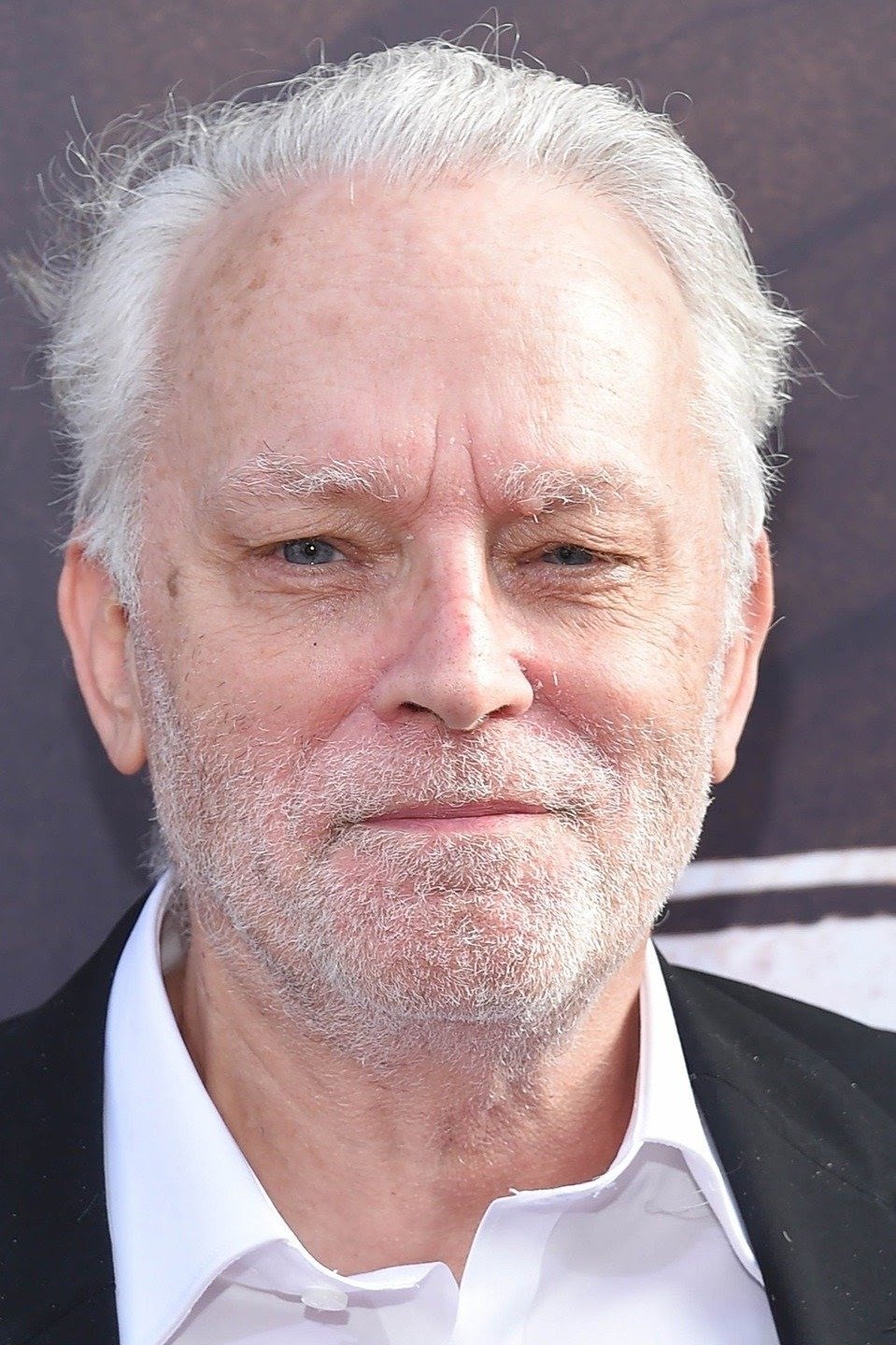
Brad Dourif
Sheriff Lee Brackett · 2 films
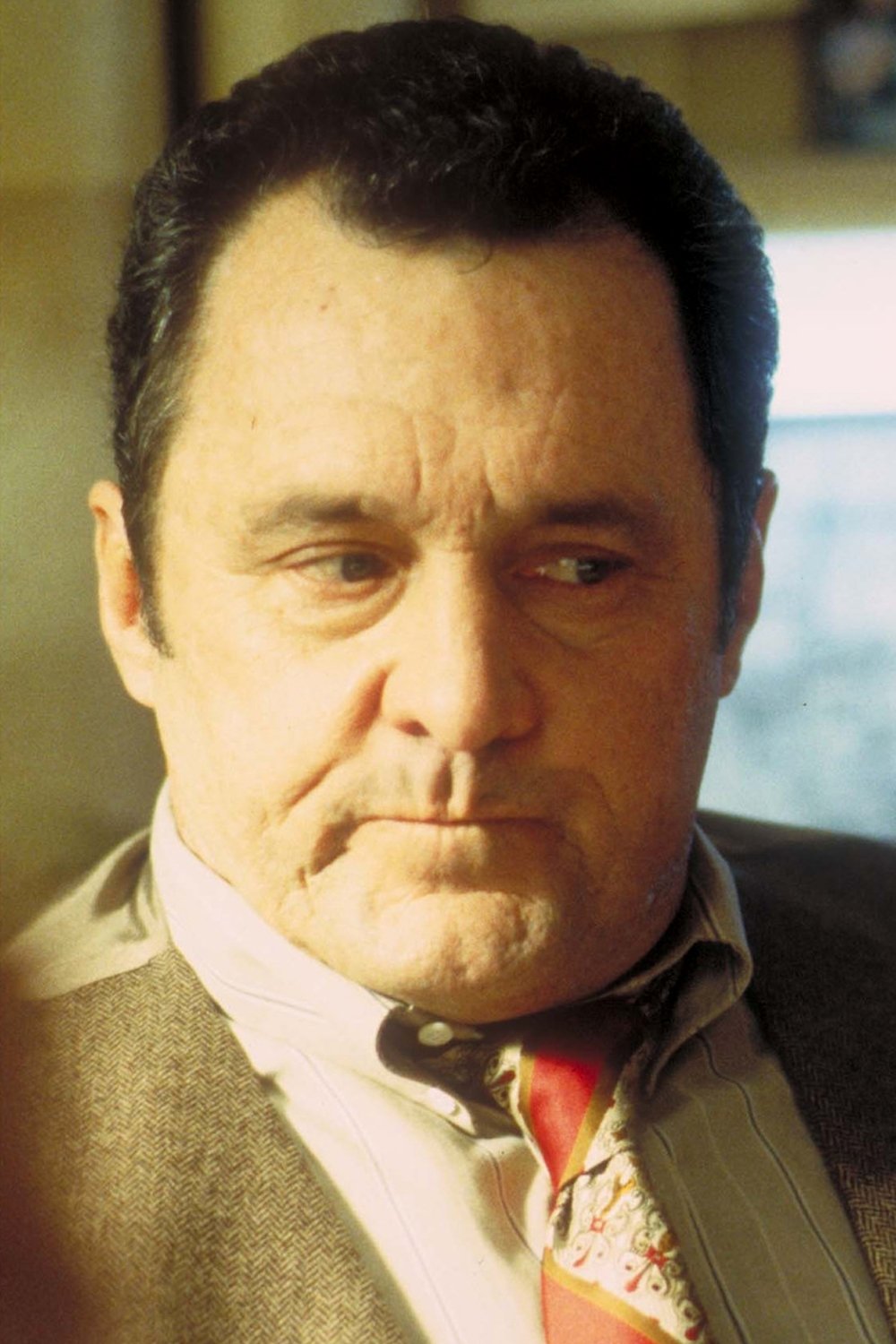
Beau Starr
Sheriff Meeker · 2 films

Brian Andrews
Tommy · 2 films
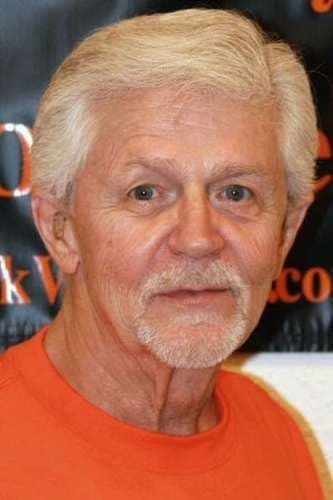
Dick Warlock
Michael Myers / Patrolman #3 · 2 films
Recurring crew

Debra Hill
Characters · 13 films

Alan Howarth
Composer · 5 films

Malek Akkad
Producer · 5 films

Paul Freeman
Producer · 4 films

Bill Block
Producer · 3 films
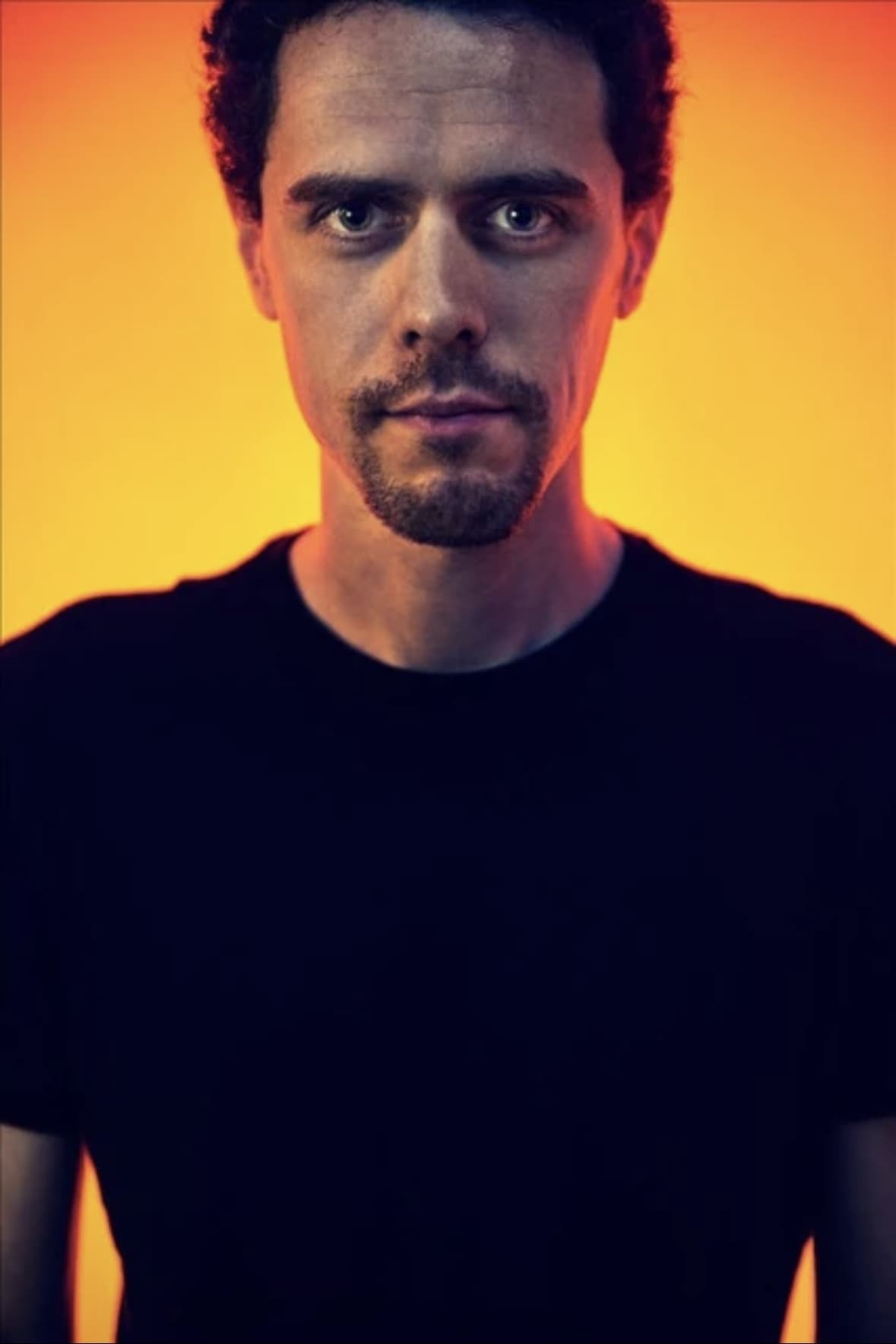
Cody Carpenter
Composer · 3 films

Daniel Davies
Composer · 3 films
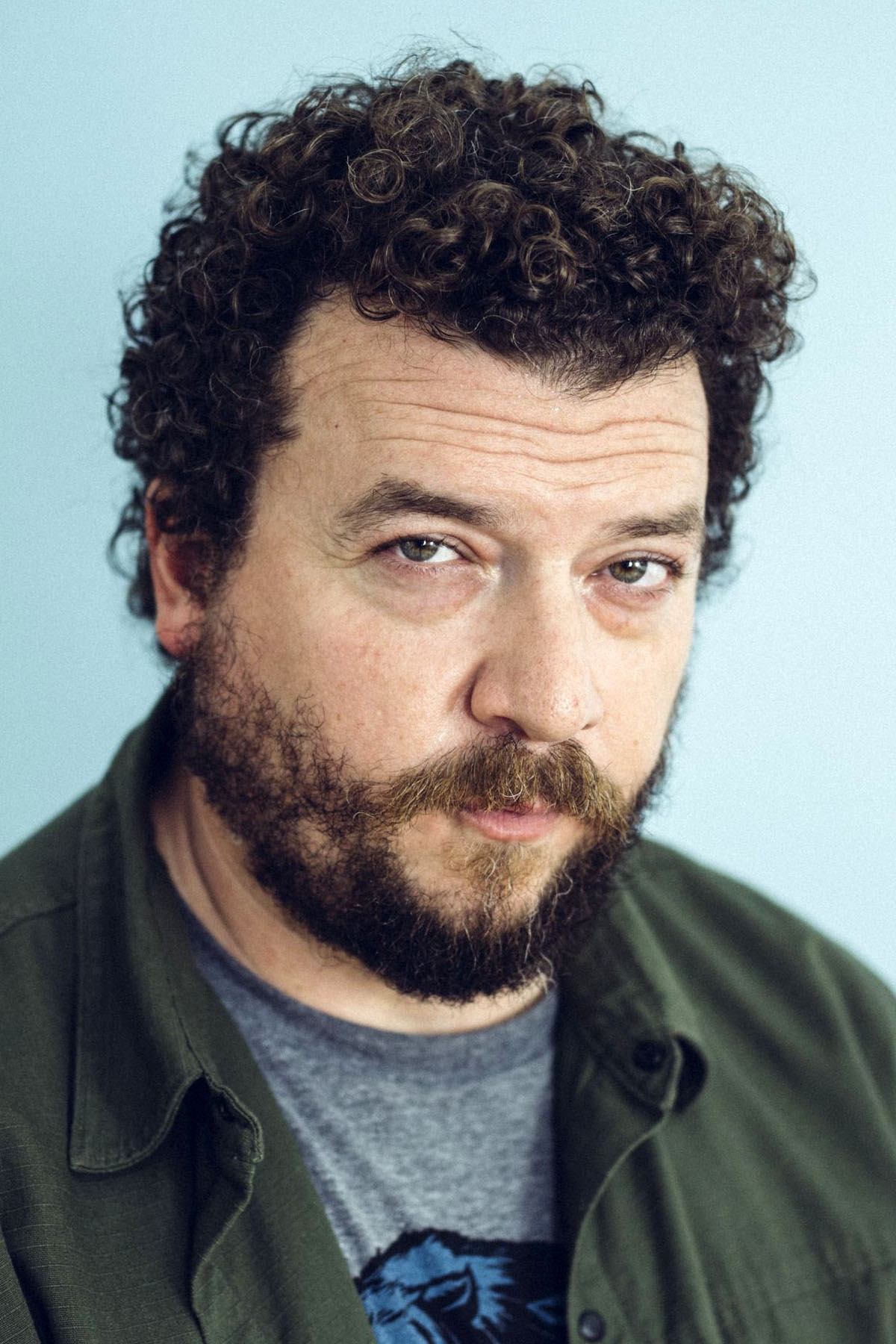
Danny McBride
Writer · 3 films
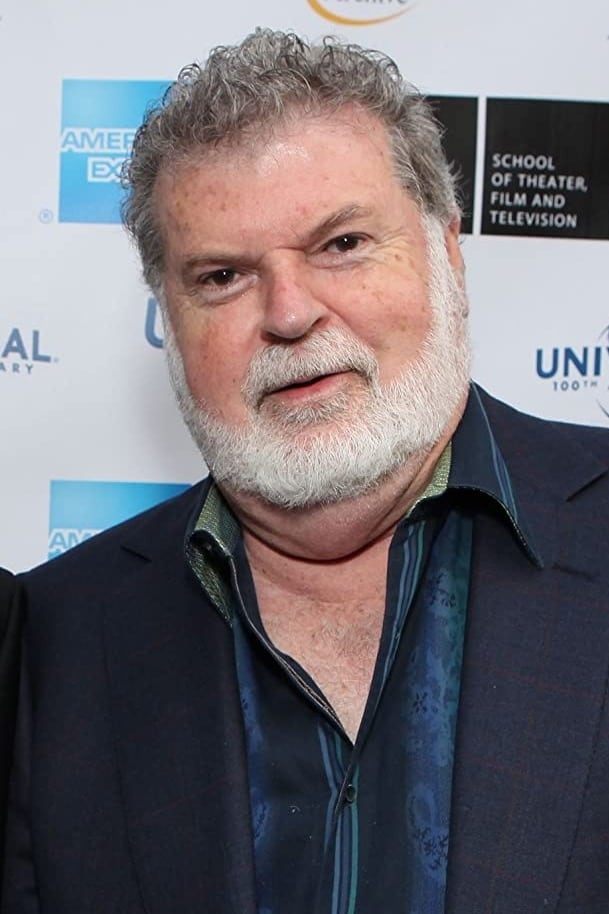
Dean Cundey
Cinematographer · 3 films

Jason Blum
Producer · 3 films
Michael Simmonds
Cinematographer · 3 films
Timothy Alverson
Editor · 3 films
Andy Gould
Producer · 2 films

Dino De Laurentiis
Producer · 2 films
Glenn Garland
Editor · 2 films
Moustapha Akkad
Producer · 2 films
Tyler Bates
Composer · 2 films

Wayne Toth
Makeup effects · 2 films