
Every Godzilla Is a Different Monster
Seventy years, four eras, three hiatuses — and ten Godzillas.
On the morning of March 1, 1954, the American hydrogen bomb codenamed Castle Bravo detonated over Bikini Atoll with a yield of fifteen megatons — two and a half times what the scientists had predicted. The crew of Japanese fishing vessel Lucky Dragon No. 5, working beyond the expected exclusion zone, was dusted with fallout. Twenty-three fishermen were irradiated. The radio operator, Aikichi Kuboyama, died in September of that year. He was forty. Japan, nine years out from Hiroshima and Nagasaki, had experienced its third nuclear event.
Toho Studios began production on Godzilla in April of 1954, just weeks later. The film was in theaters by November. It made more money than any Japanese film of the preceding year and redefined Japanese cinema in the eyes of the world.
Bringing disaster to the screen
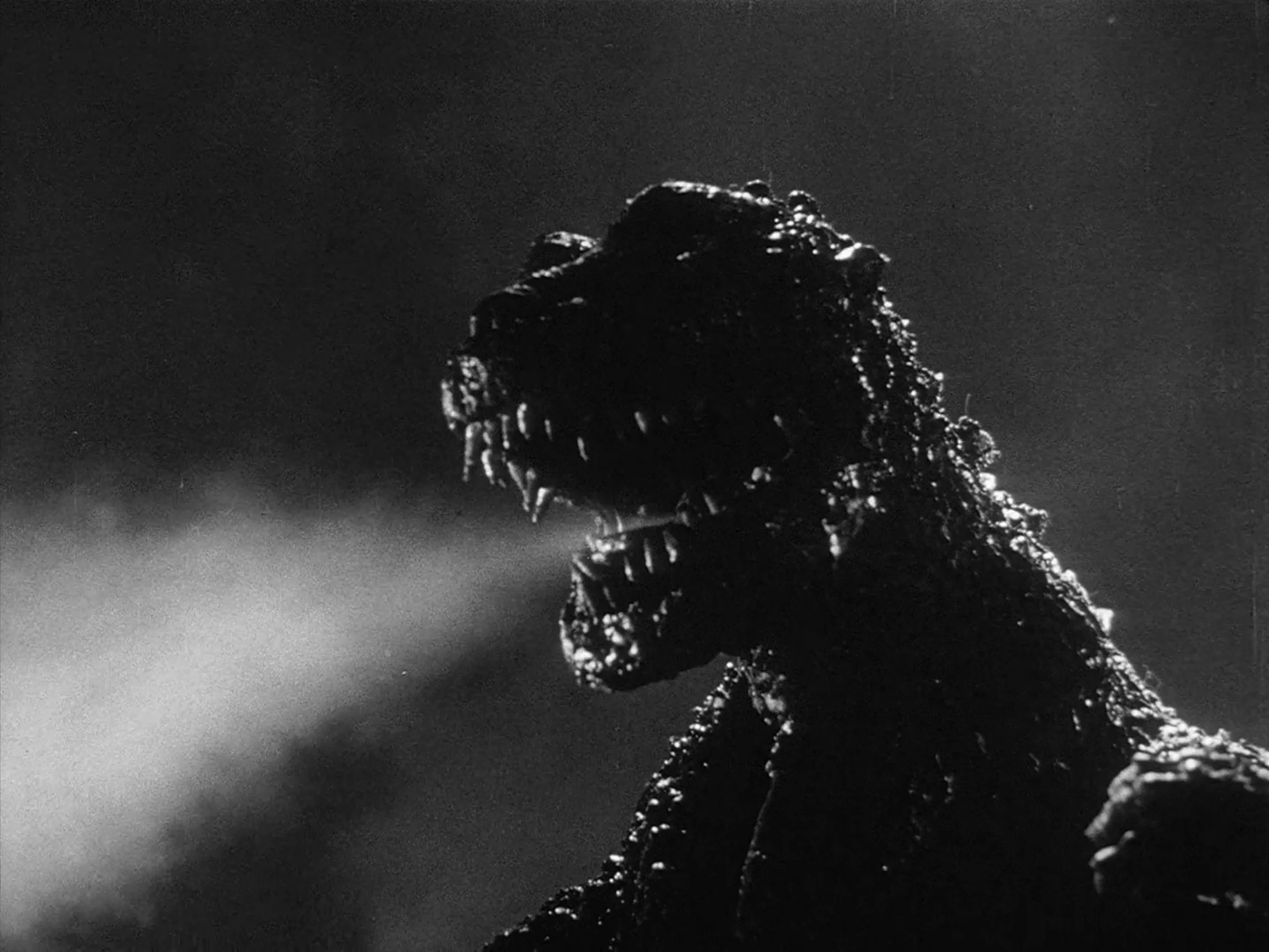
The 1954 Godzilla was not, first and foremost, an entertainment product. It was a response to real events. The film opens at sea, with a ship disappearing in a flash of light. Before the creature is ever shown, the weight is explicit: Hiroshima references, a scientist carrying a burn scar across one eye, survivors displaced again from an island that has become uninhabitable. The scientist Dr. Serizawa — the film’s moral center — has invented the Oxygen Destroyer, a device that disintegrates the oxygen atoms in water and could prove more terrible than the bomb that inspired the film. He spends the duration of the movie deciding whether humanity can be trusted with such technology, and ultimately destroys his research before killing himself, along with Godzilla, so that his invention cannot be further weaponized.
The film doesn’t end happily. The creature is defeated, but the victory comes with a warning, not a celebration. The final words of the film are a scientist’s admonition: if nuclear testing continues, another Godzilla will appear.
And another one would.
A monster fit for Saturday mornings
Godzilla Raids Again (1955) — directed by Motoyoshi Oda after Ishirō Honda had moved on to other projects — opened with a second, distinct Godzilla: another member of the same species, awakened by the same atomic testing that produced the first. The 1954 warning was treated less as caution than as instruction. The franchise’s central organizing principle was already in place: when the story needs to start over, the monster is replaced. And this second Godzilla would prove to be markedly different from the first.
The Showa era, 1954–1975
A loose sequel chain. Each film picks up after the last; tone softens from nuclear allegory into family entertainment by the early 1970s.
By 1962, Toho had already renegotiated Godzilla’s fundamental nature. King Kong vs. Godzilla — the King Kong rights brokered through American producer John Beck — turned the franchise into a straightforward villain-hero face-off for the first time. By 1964, he was fighting Mothra, a giant benevolent moth with fairy priestesses, in a film that feels categorically different than the 1954 original.
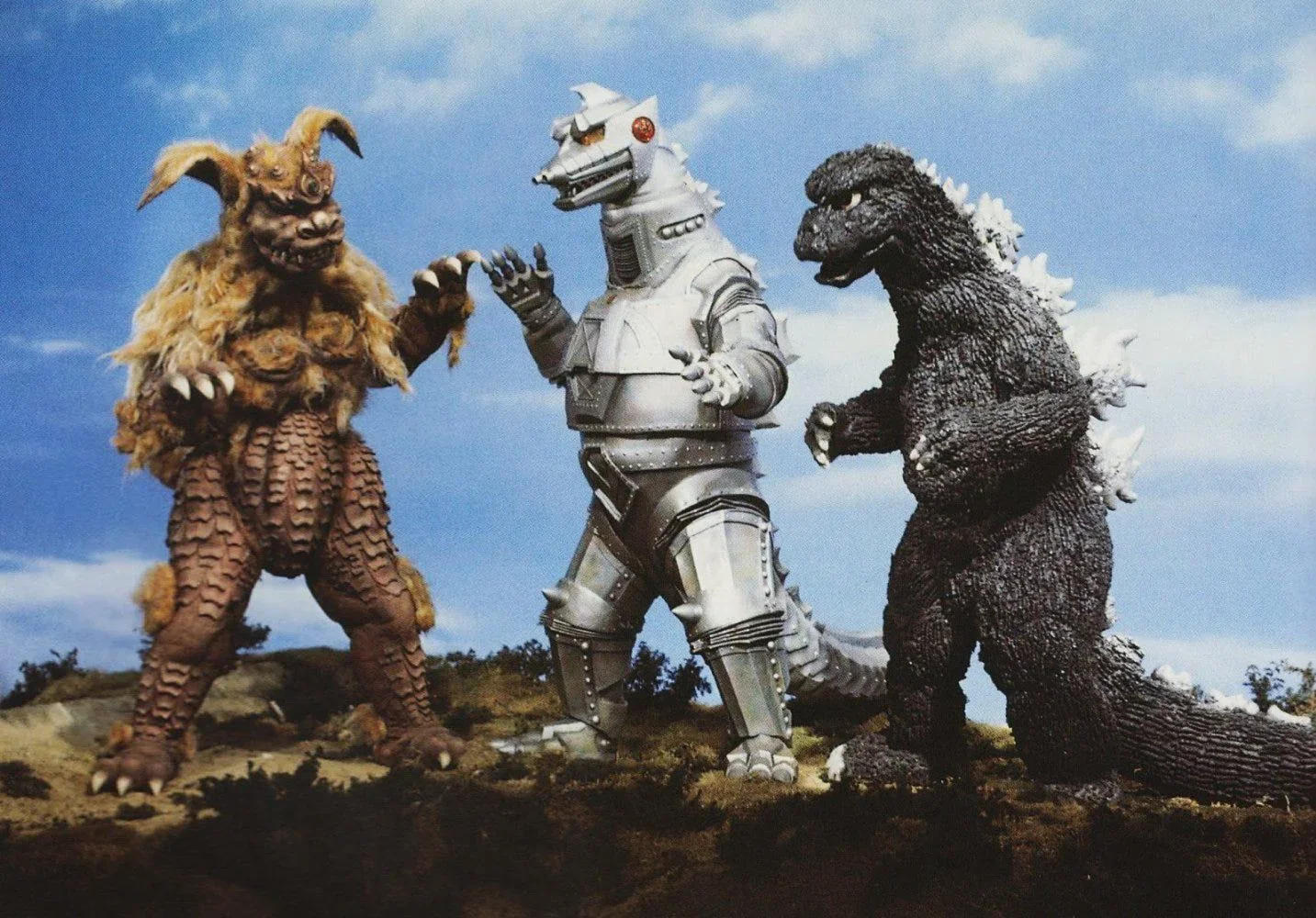
By Invasion of Astro-Monster (1965), Godzilla found himself shipped by flying saucer, alongside giant pteranodon Rodan, to the surface of Planet X to battle King Ghidorah, a 3-headed dragon from outer space. Godzilla performs a controversial dance after the fight — the famous “Shē!” jump — which was met with disgust even by returning director Honda. “I did not create Godzilla for this,” he would later say, of the franchise’s new shallow ambitions. Son of Godzilla (1967) introduced Minilla, a small, round baby Godzilla who blows smoke rings instead of atomic breath. And Destroy All Monsters (1968) placed Godzilla and nine other Earth kaiju on the slopes of Mount Fuji for an eleven-monster brawl that ends with the death of Ghidorah. The transformation from nuclear allegory to Saturday morning entertainment was complete and seemingly irrevocable. The threat of annihilation, once the driving force behind the franchise, had been sanded away and Godzilla had been rendered safe for an audience of children.

Toho released a Godzilla film on a near-yearly basis between 1964 and 1975 — two in 1964 — each time reducing the budget, recycling footage from earlier films, and targeting an ever younger audience, even producing an entire film in dream sequence: All Monsters Attack (1969). The final film of the era, Terror of Mechagodzilla (1975) — the last in a sequence of prequels to Destroy All Monsters — was a box office failure, forcing Toho to suspend the franchise.
The threat of annihilation, once the driving force behind the franchise, had been sanded away and Godzilla had been rendered safe for an audience of children.
The Showa era
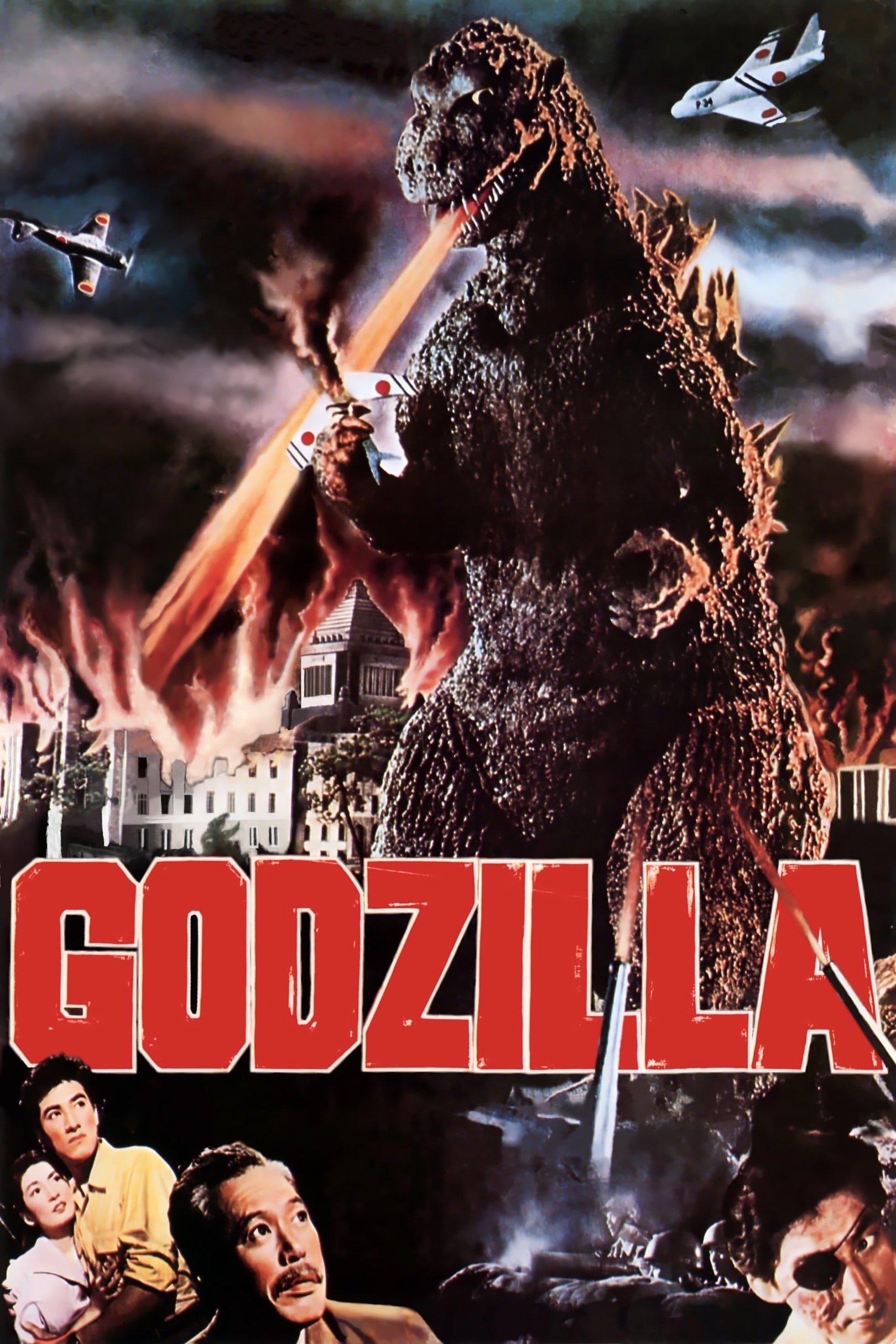
Godzilla
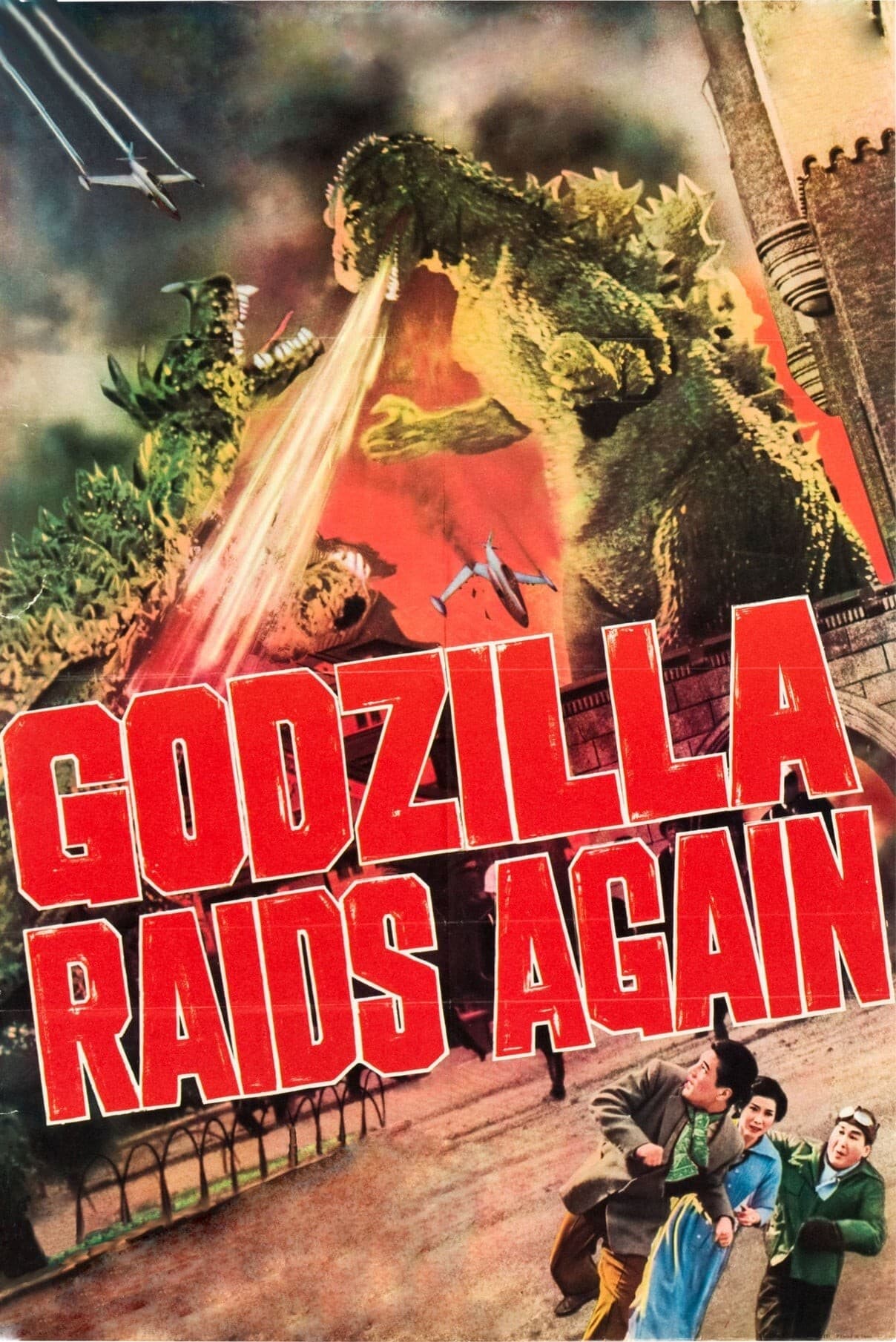
Godzilla Raids Again
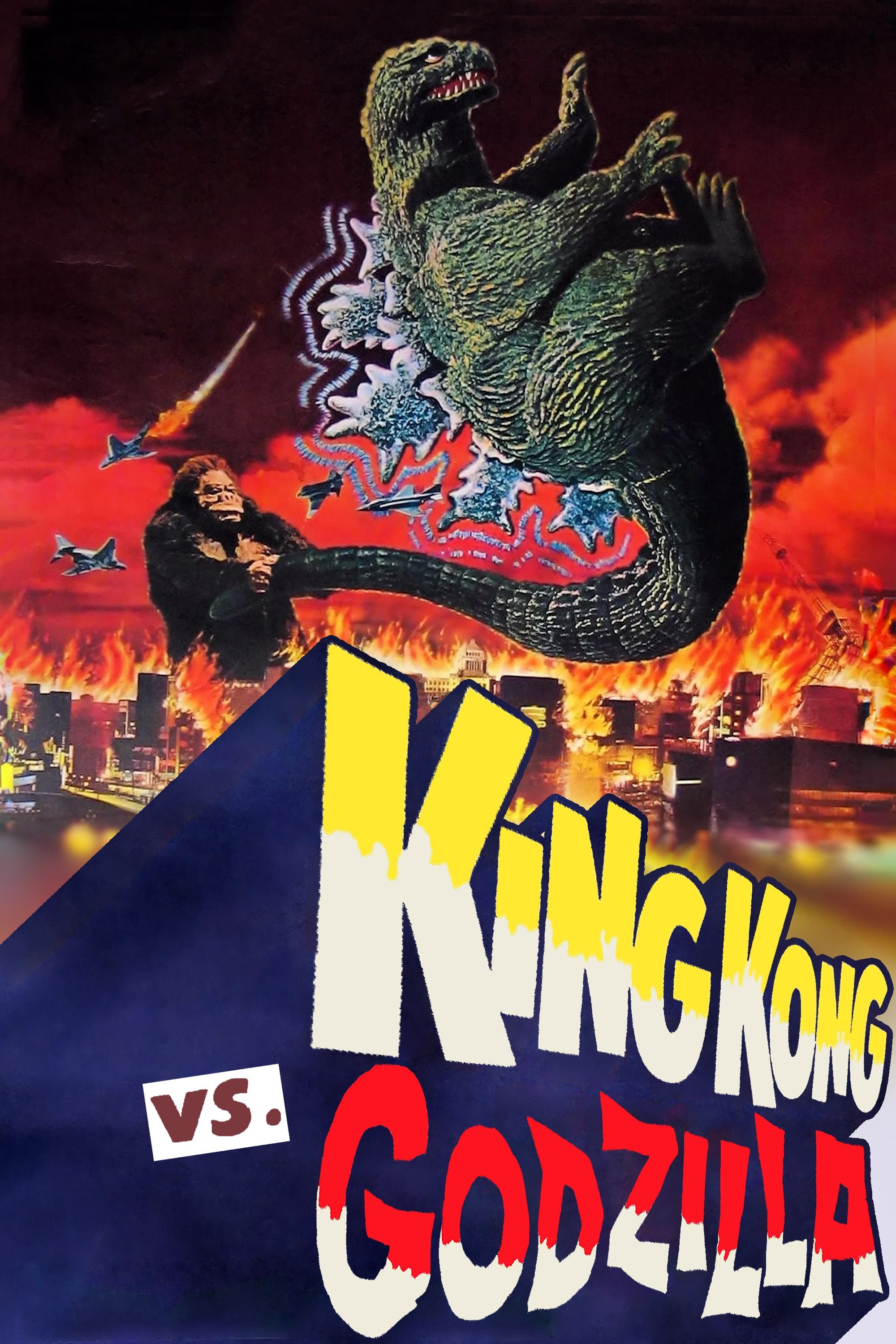
King Kong vs. Godzilla
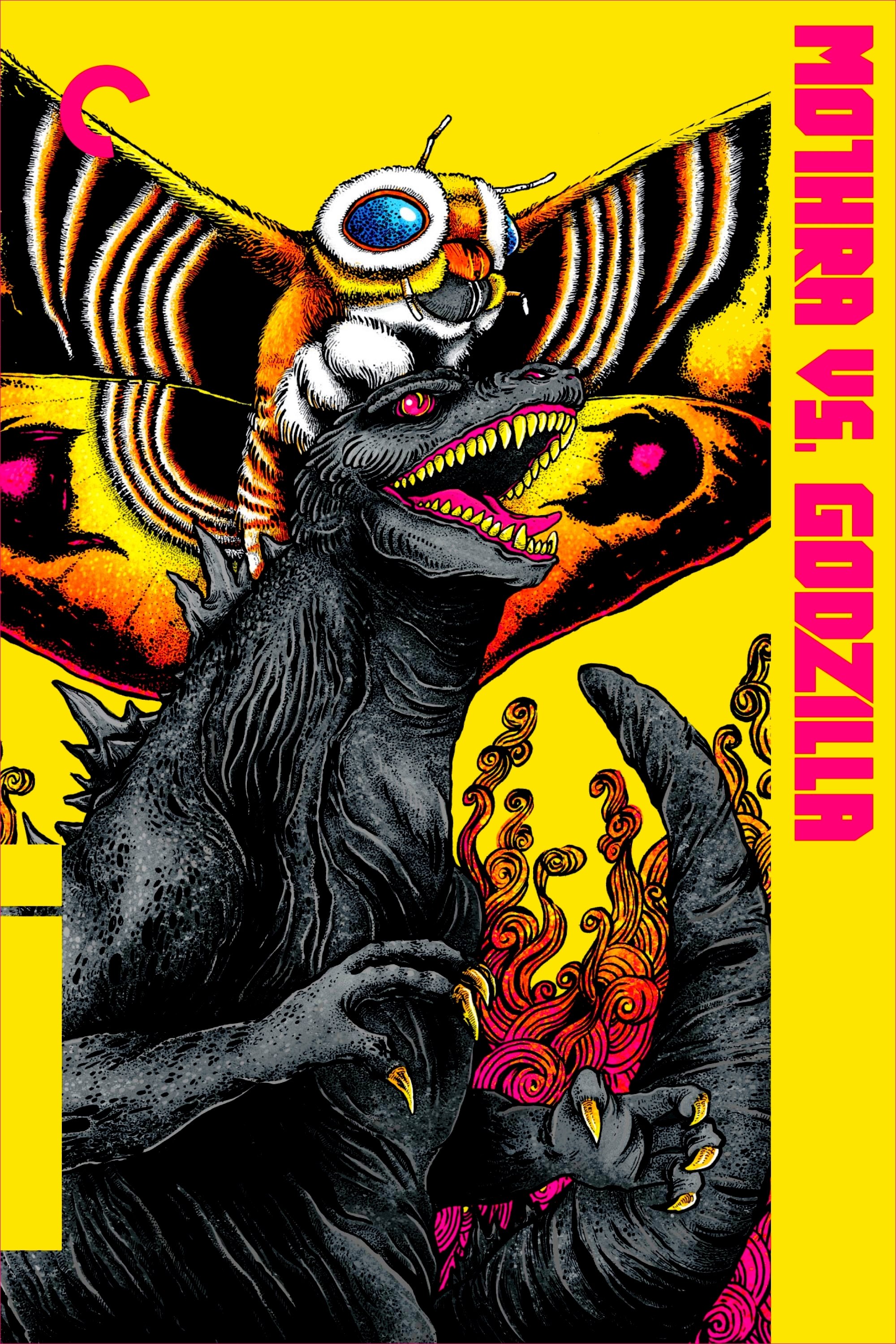
Mothra vs. Godzilla
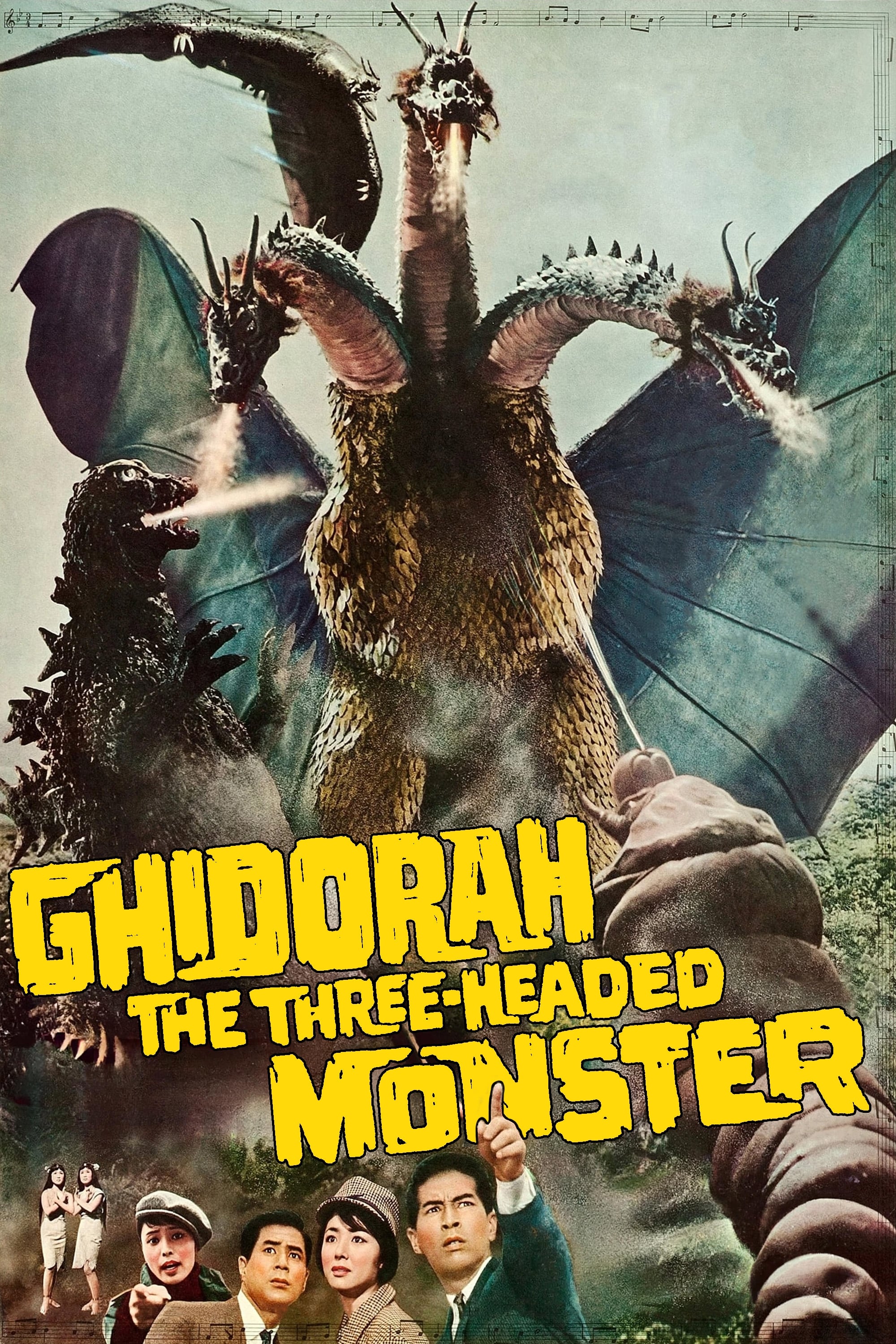
Ghidorah, the Three-Headed Monster
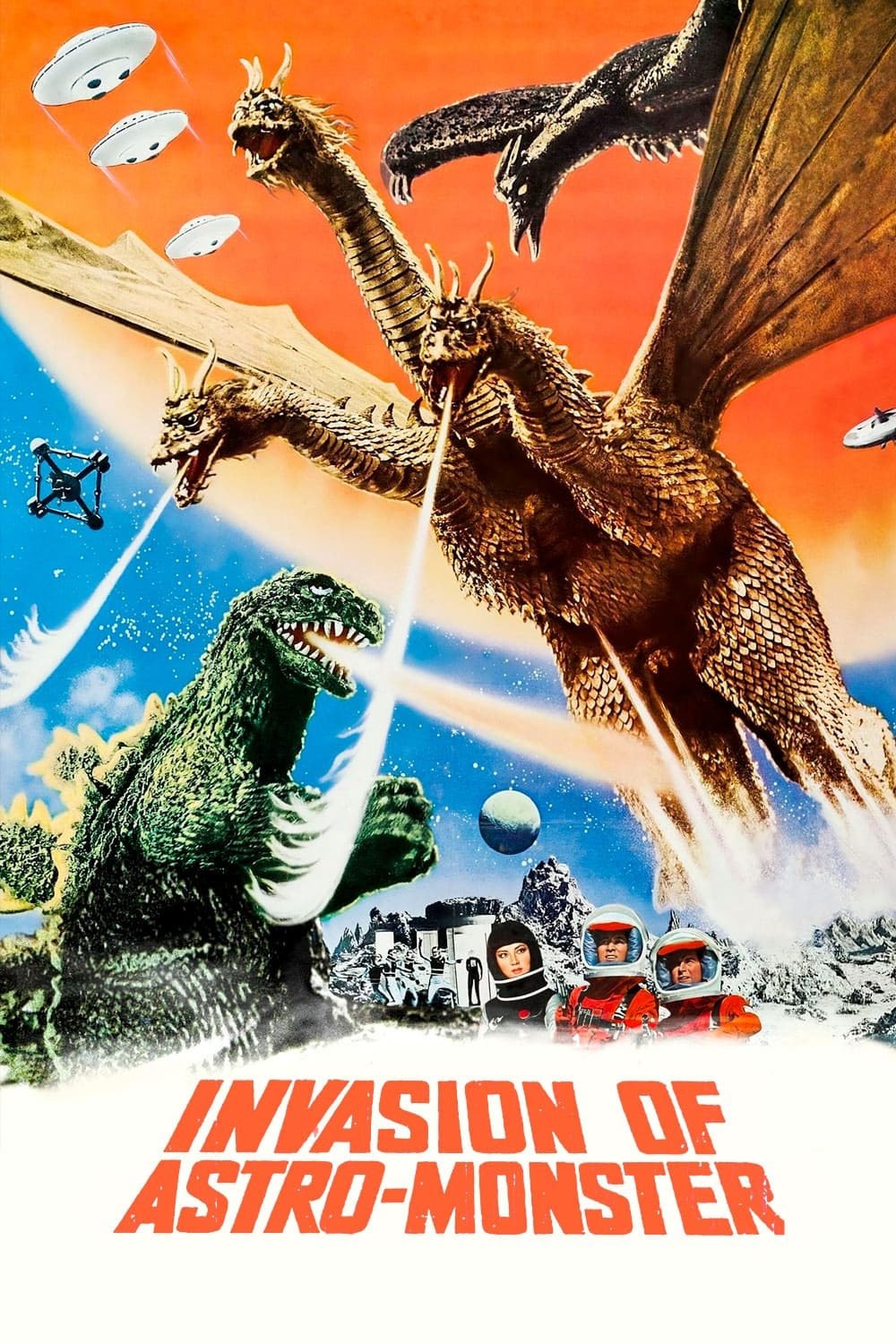
Invasion of Astro-Monster
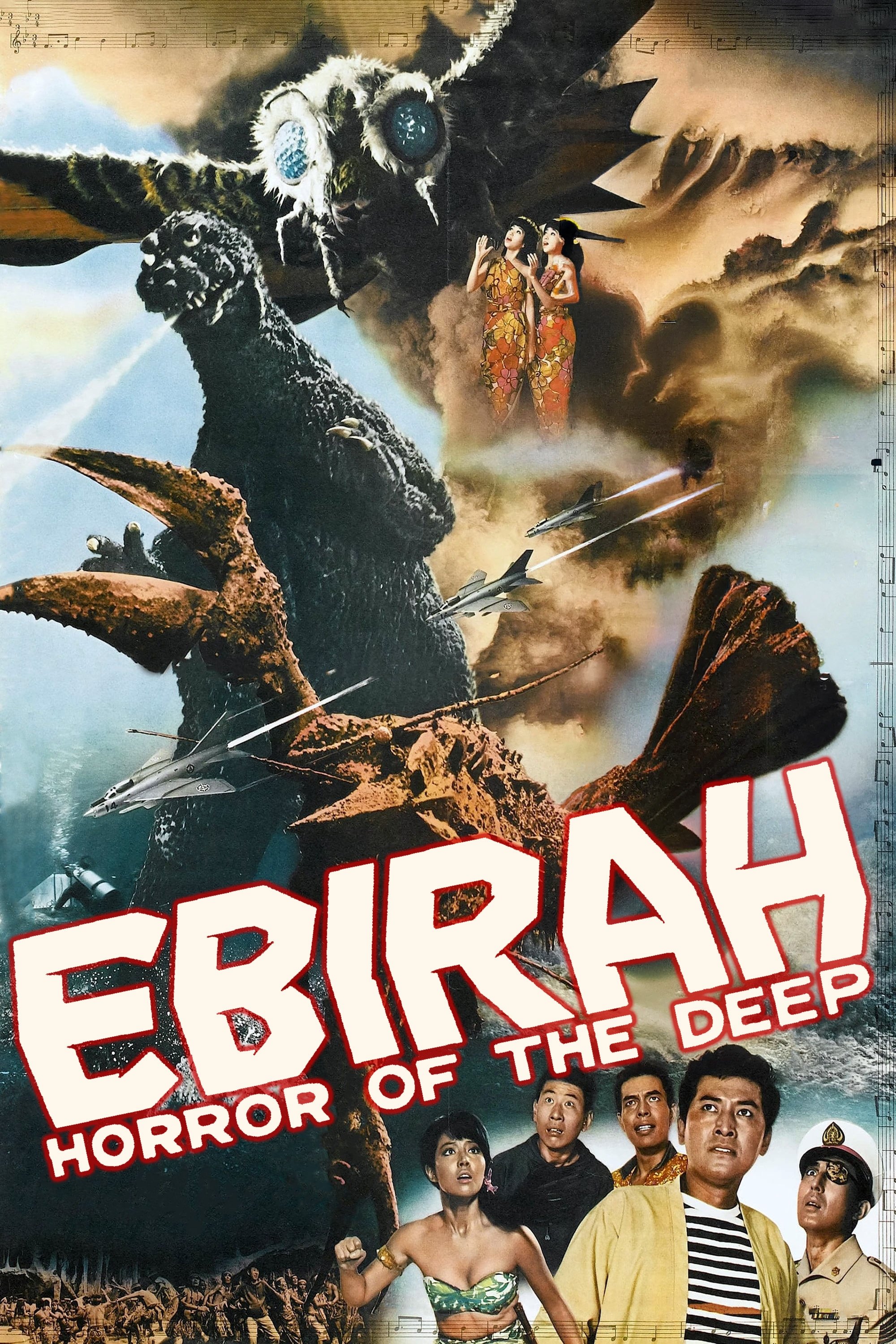
Ebirah, Horror of the Deep
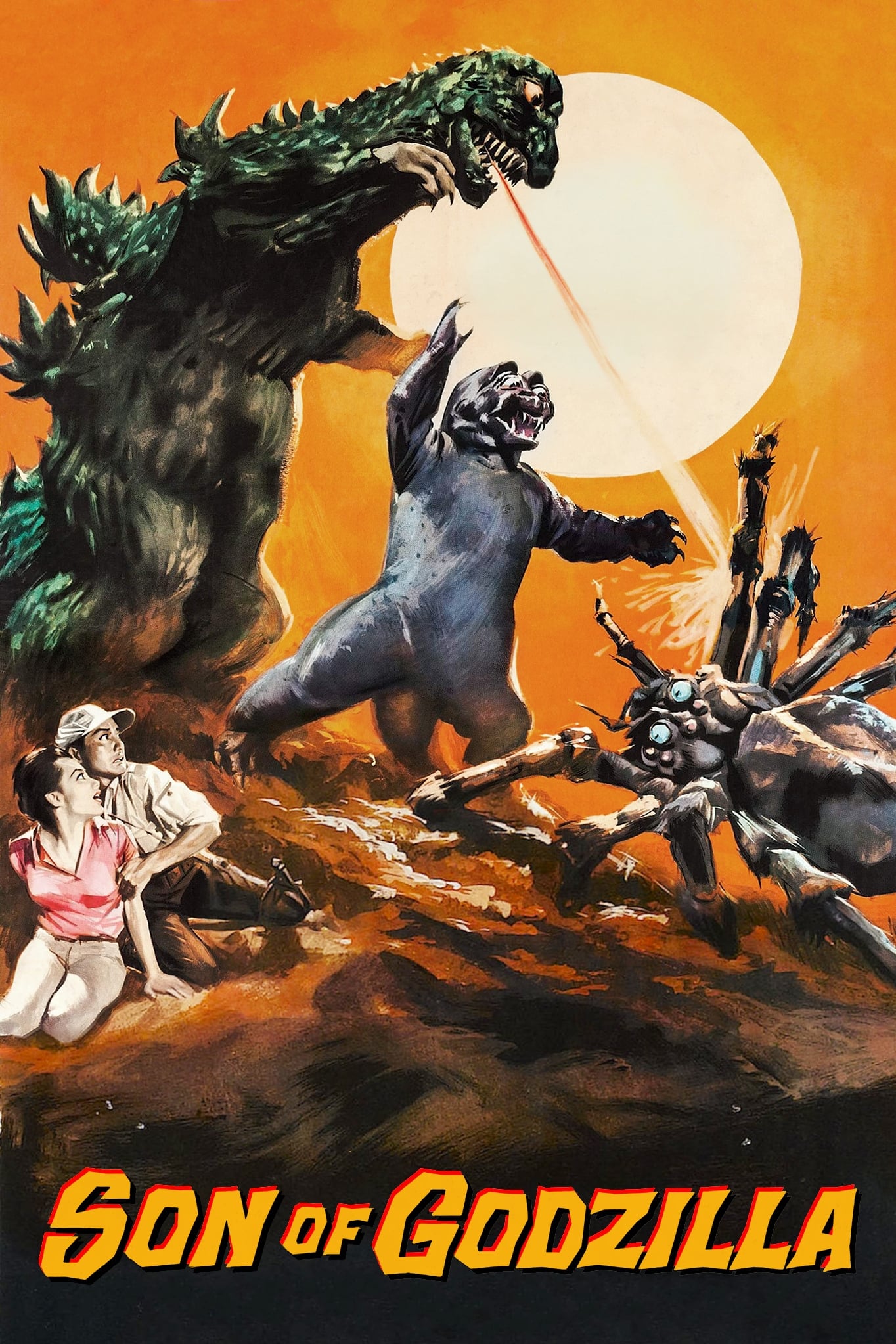
Son of Godzilla
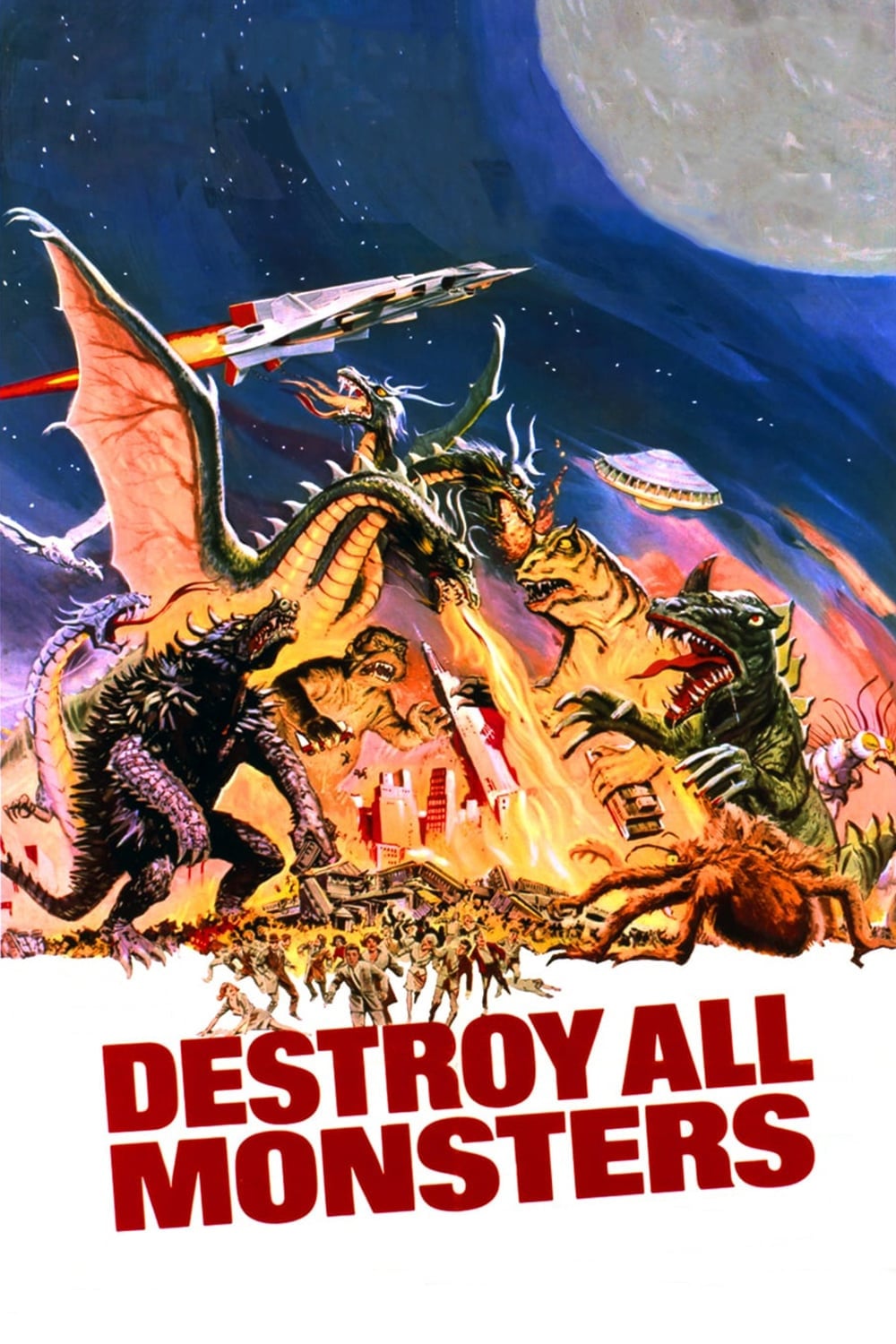
Destroy All Monsters
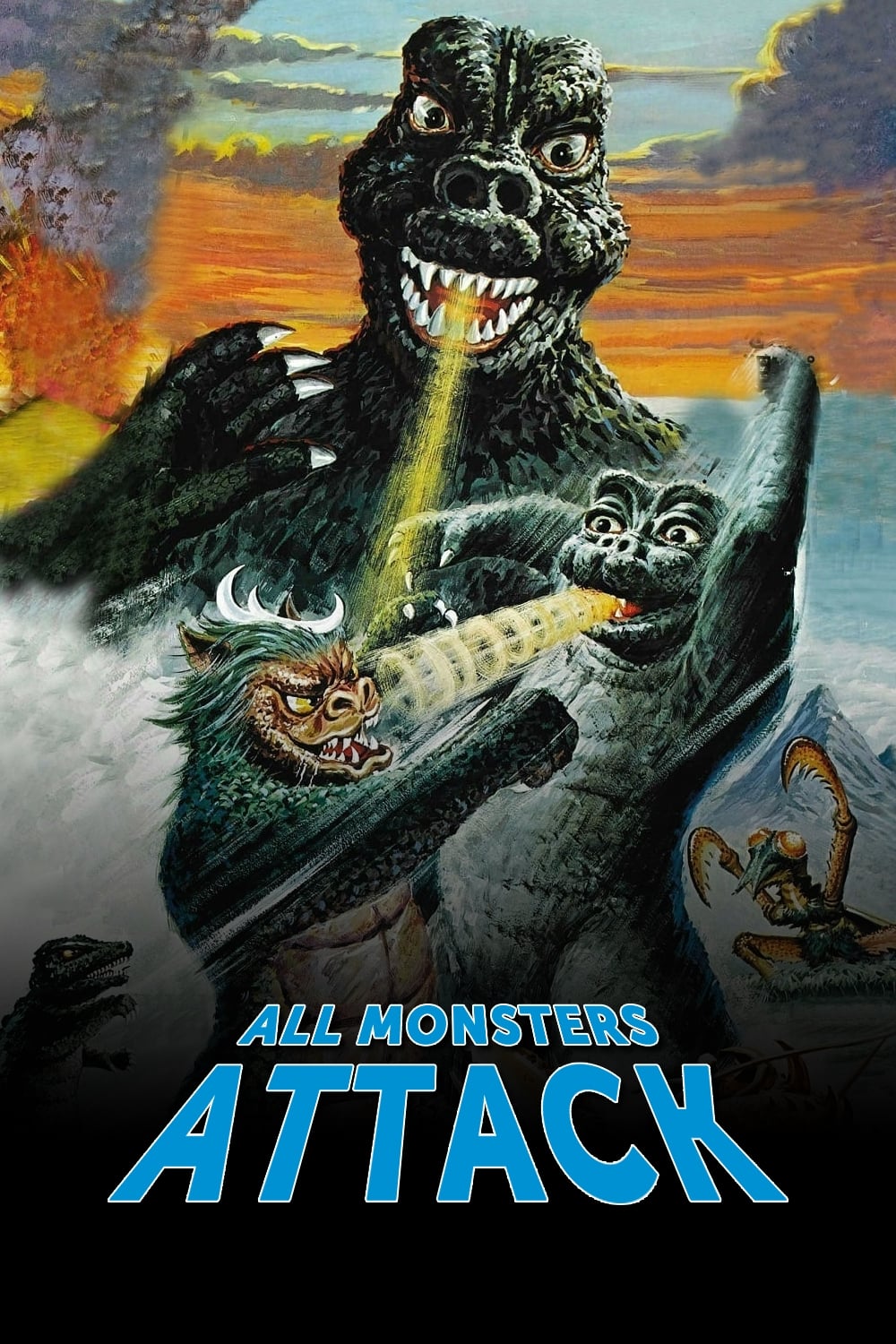
All Monsters Attack
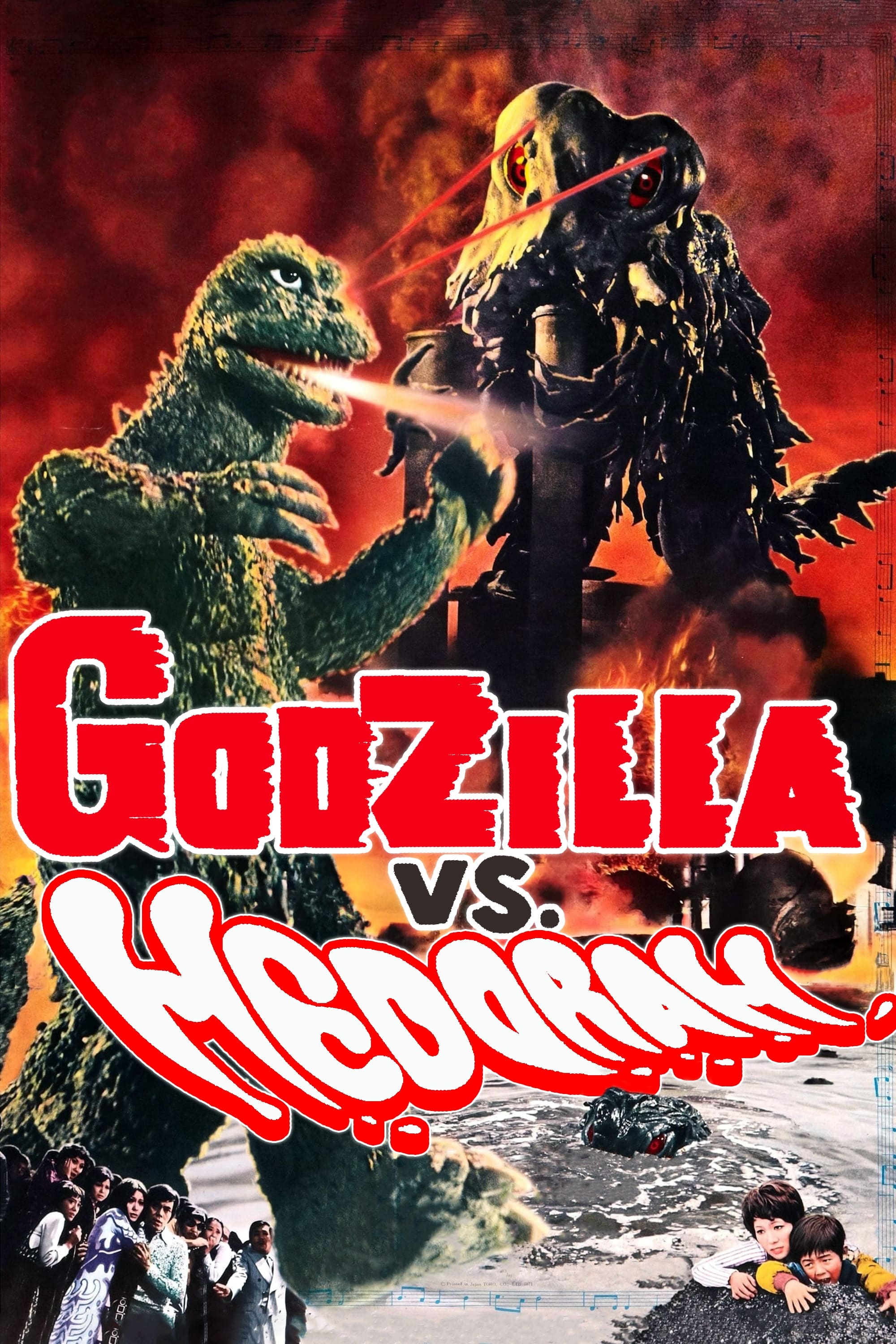
Godzilla vs. Hedorah
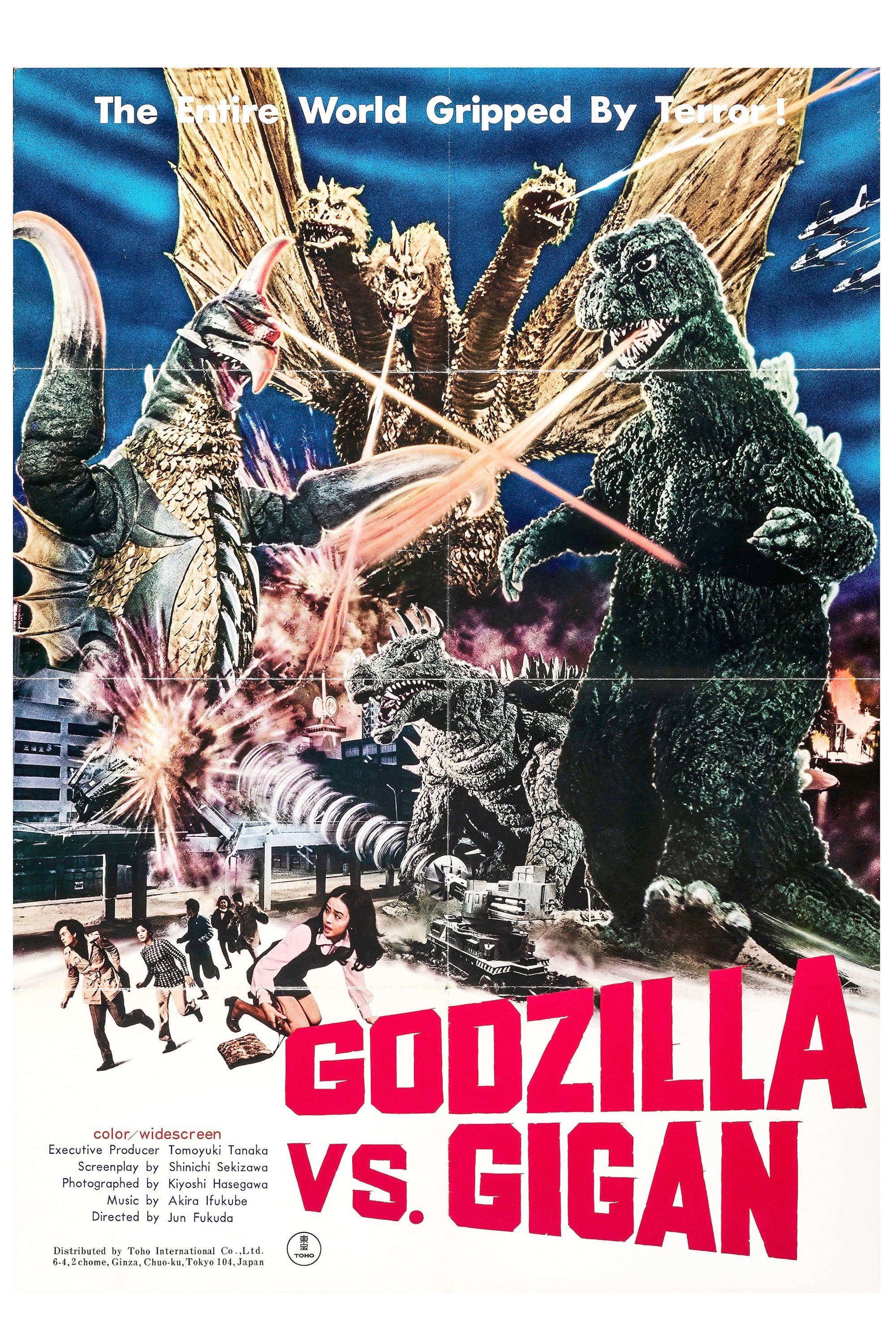
Godzilla vs. Gigan

Godzilla vs. Megalon
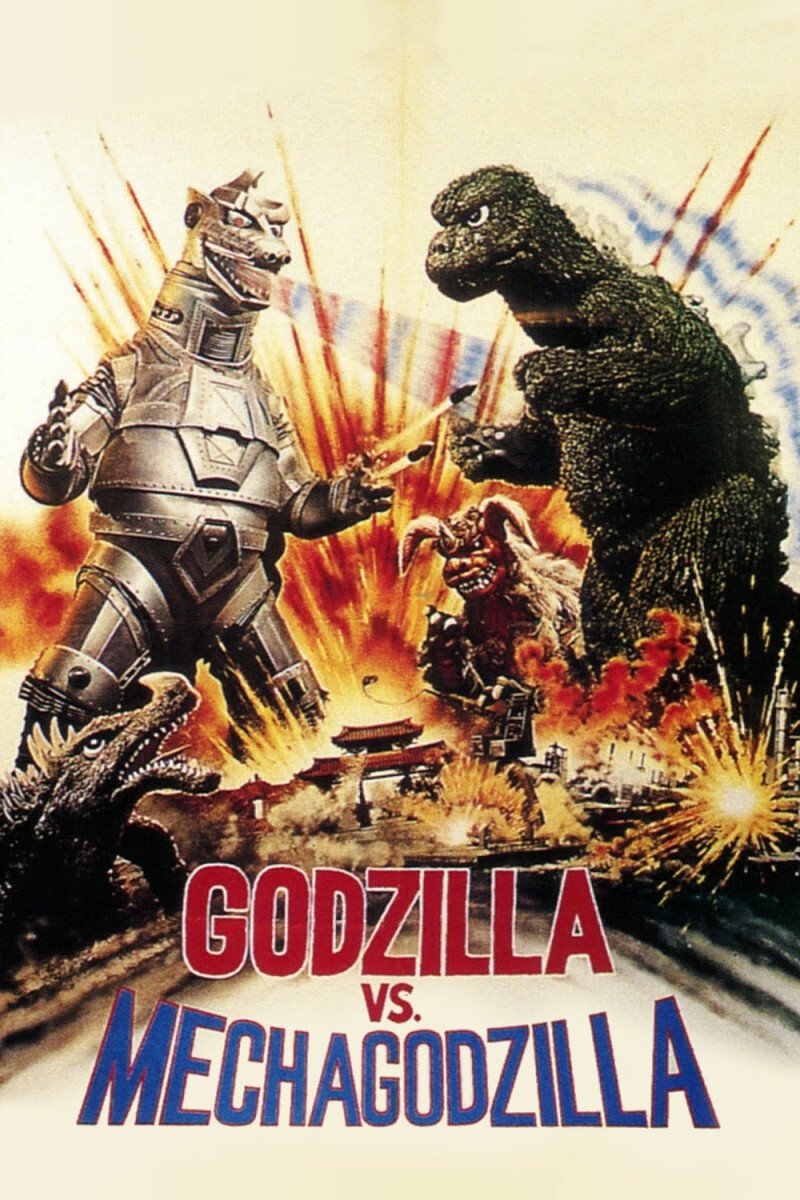
Godzilla vs. Mechagodzilla
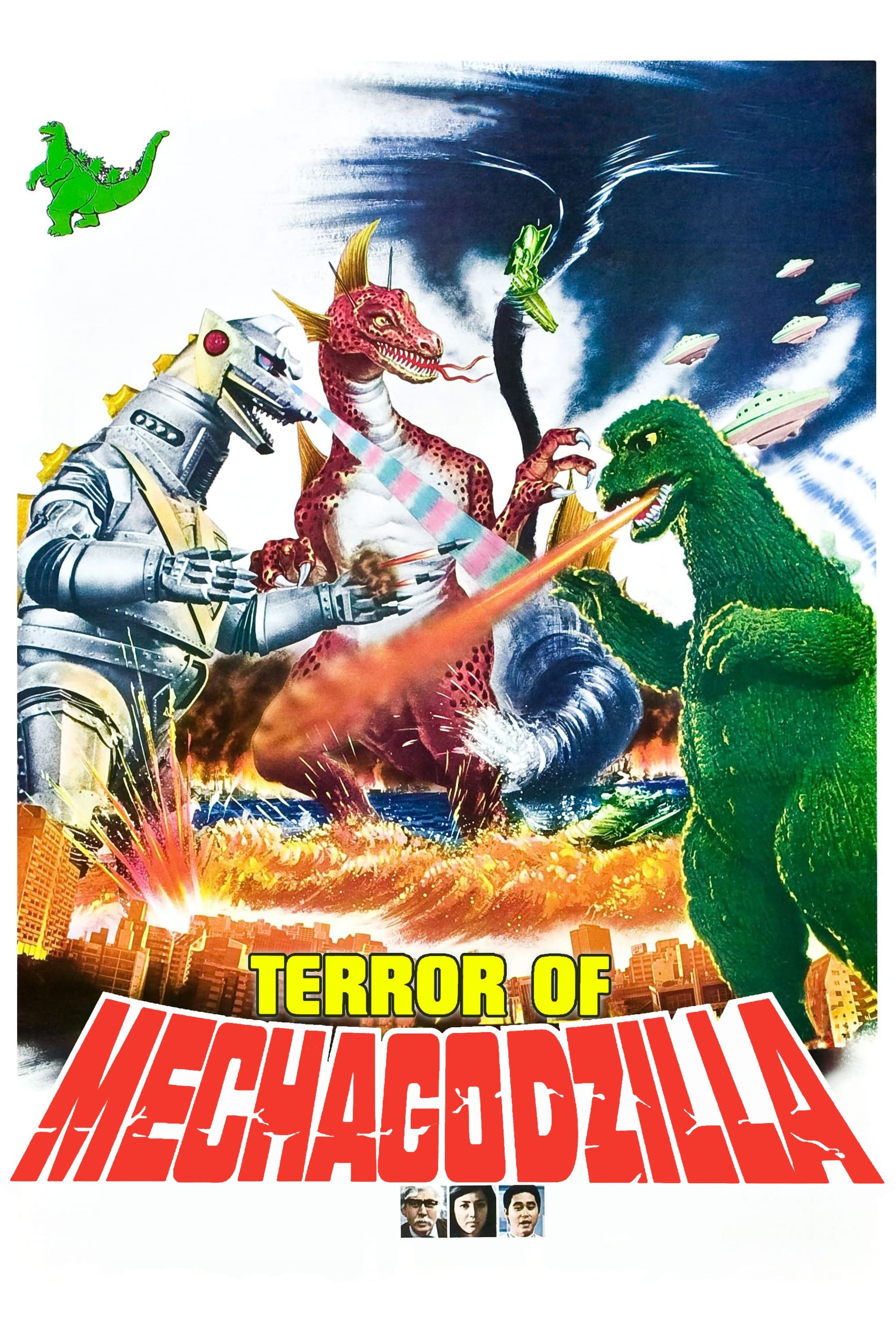
Terror of Mechagodzilla
Fifteen films across twenty-one years: from nuclear allegory to monster ally. The arc the franchise traces from 1954 to 1975 is one of the most complete commercial transformations in cinema history.
A reboot for the Cold War era
The Return of Godzilla (1984) — the first Godzilla film of the Heisei era — is a direct sequel to the 1954 original, explicitly erasing everything that happened between 1955 and 1975. The new Godzilla — which is also a separate monster from the original — is larger, meaner, and radioactive in a way the Showa Godzilla had stopped being. And its politics are unambiguous: the film includes a subplot in which the Soviet Union and the United States nearly start a nuclear war over Godzilla’s interference with their military assets. The Heisei Godzilla was now a metaphor for Cold War anxieties.
The Heisei era, 1984–1995
A direct sequel to the 1954 original — and to nothing else. Every Showa sequel is erased; Godzilla returns as a Cold War allegory.
The Heisei era ran for seven films over eleven years, forming a serial story with a consistent — if convoluted — continuity. The emotional peak is Godzilla vs. Biollante (1989), which is also the era’s strangest outlier: a film about a scientist who splices Godzilla’s DNA with a rose and the ghost of his dead daughter. Biollante herself — a vast plant-animal hybrid, tentacled and enormous, simultaneously beautiful and catastrophic — is one of the most alien creatures in the series, and her film is the most melancholy of the Heisei era, closer in spirit to the 1954 original than any other Heisei film. It failed commercially at release, but its reputation has grown steadily for thirty years.
This Heisei Godzilla had adapted to the times, reflecting international tensions and appealing to an older audience. But the era couldn’t — and wouldn’t — last forever.
By 1995’s Godzilla vs. Destoroyah, the Cold War had ended, Japan was experiencing a domestic economic crisis, and the country had refocused its fears from international conflict to homegrown unrest. Earlier that year, on March 20, a doomsday cult called Aum Shinrikyo had released sarin nerve agent on the Tokyo subway, killing thirteen people and injuring thousands. This was a new type of cultural anxiety: a domestic mass-casualty attack by a group with explicitly apocalyptic ideology. Godzilla vs. Destoroyah, then, suddenly felt like a relic from a previous era: a film about a nuclear meltdown, Godzilla dying from radiation poisoning, and the total destruction of Tokyo if the meltdown cannot be stopped. In its final sequence, Godzilla melts down and dies — consumed by his own radioactivity. And with his death, the franchise took another hiatus.
At least, that was the plan.
The Heisei era
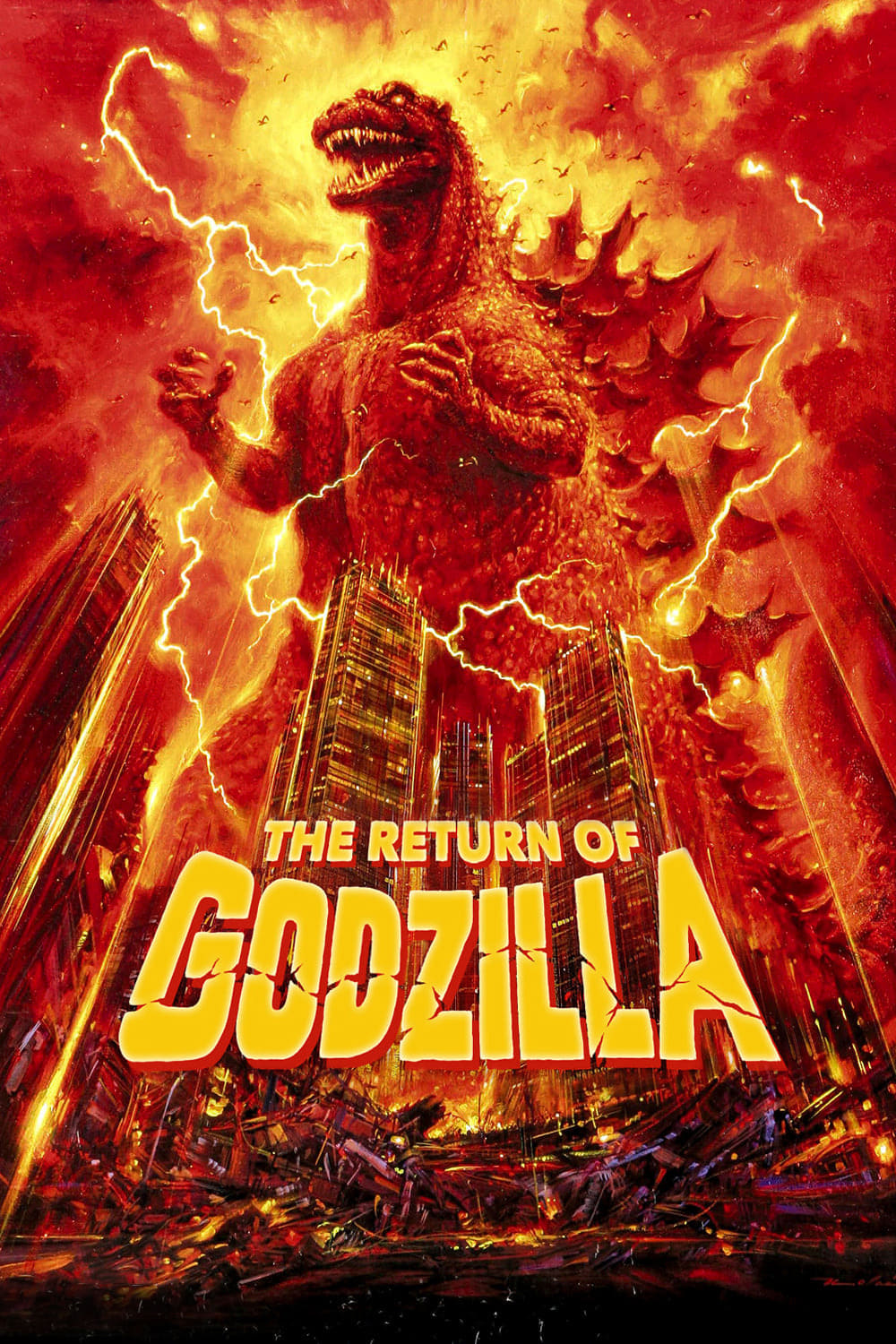
The Return of Godzilla
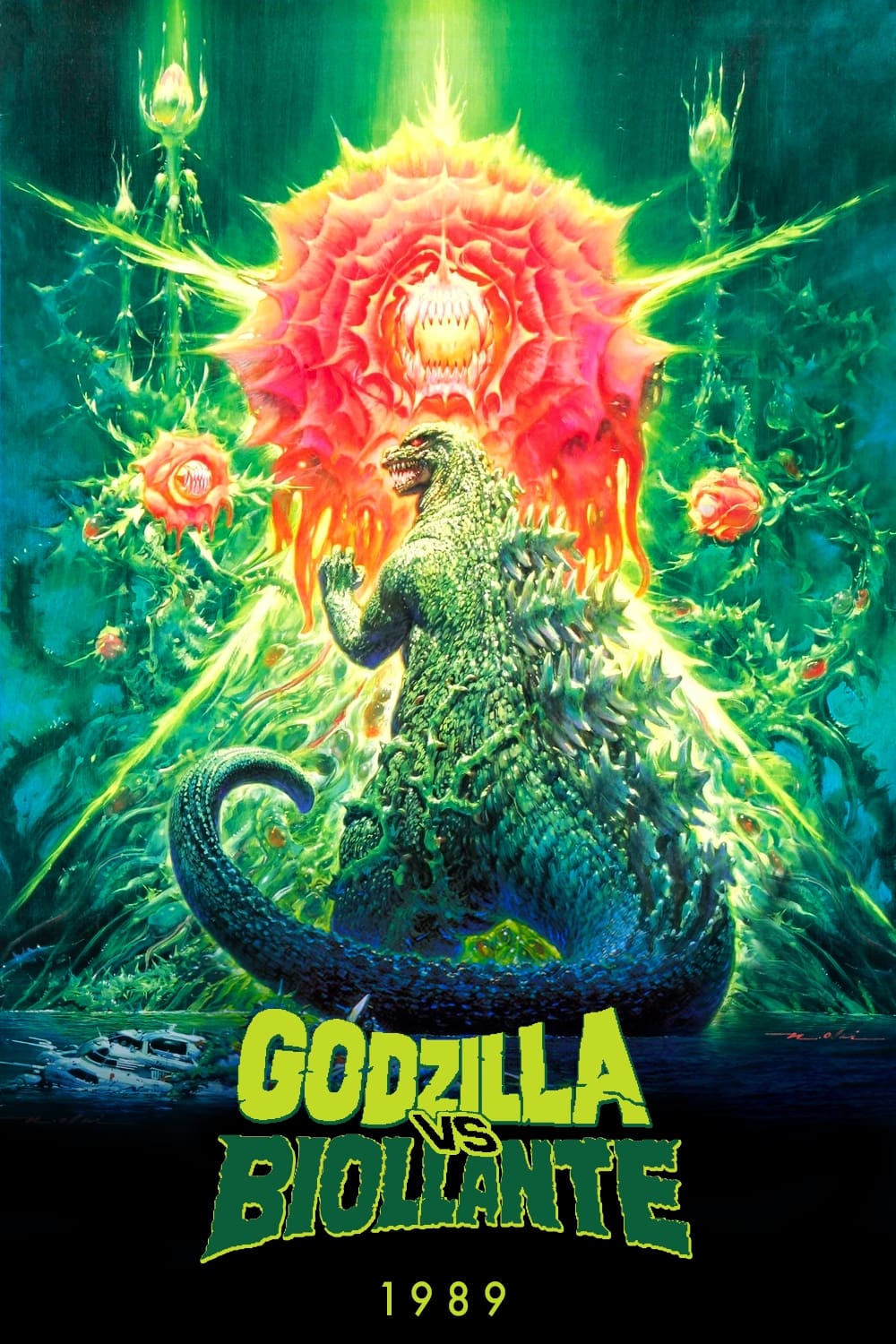
Godzilla vs. Biollante
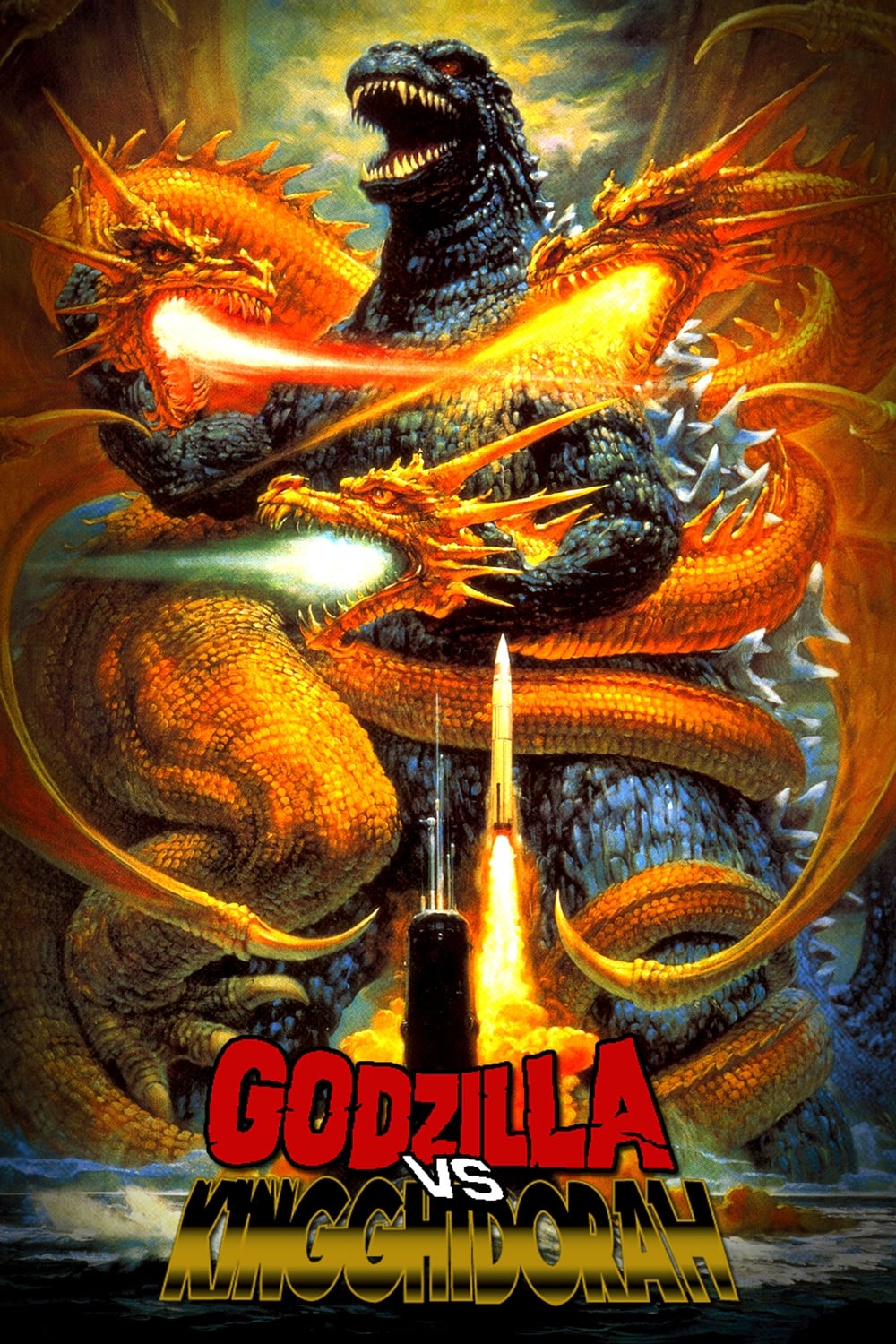
Godzilla vs. King Ghidorah
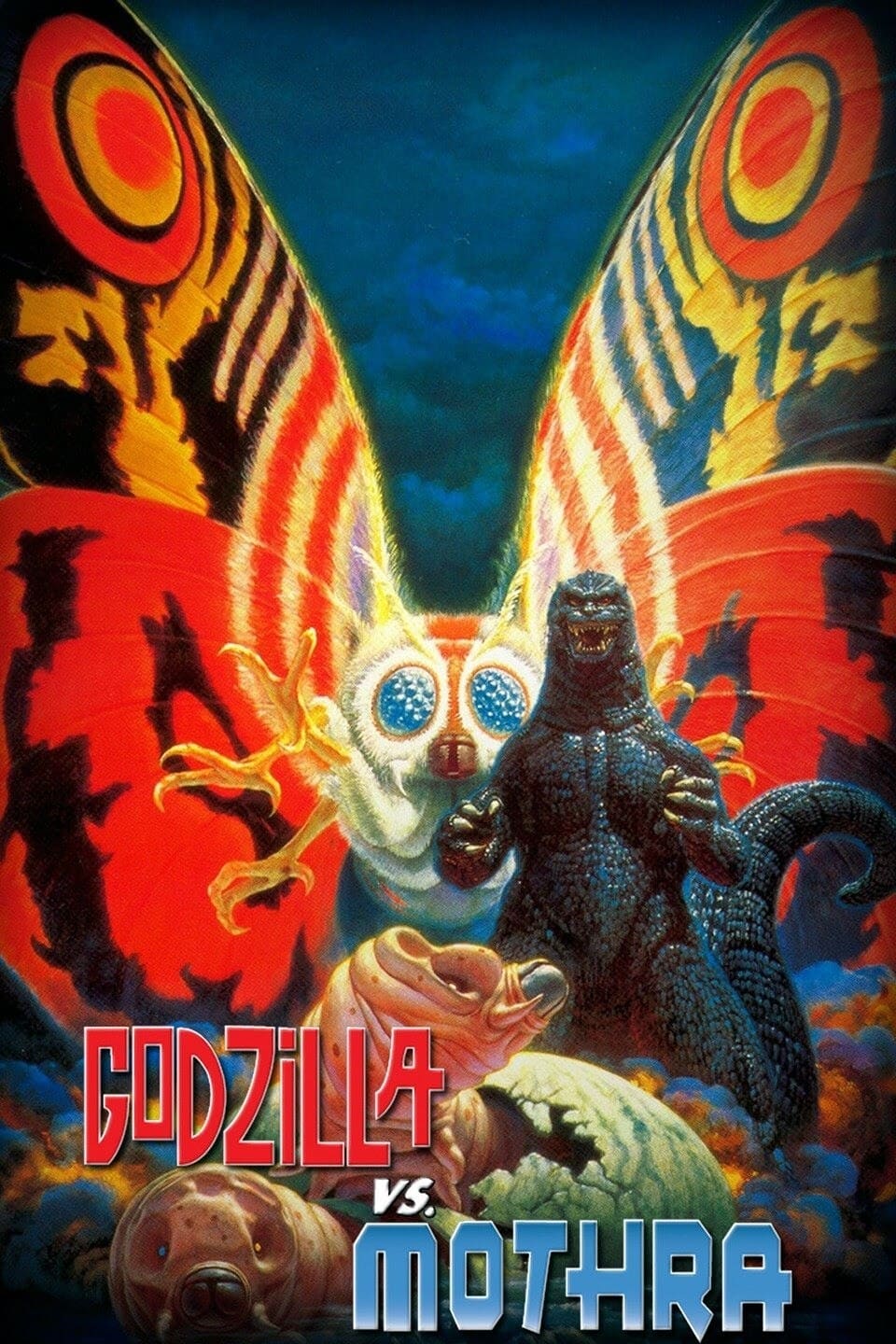
Godzilla vs. Mothra
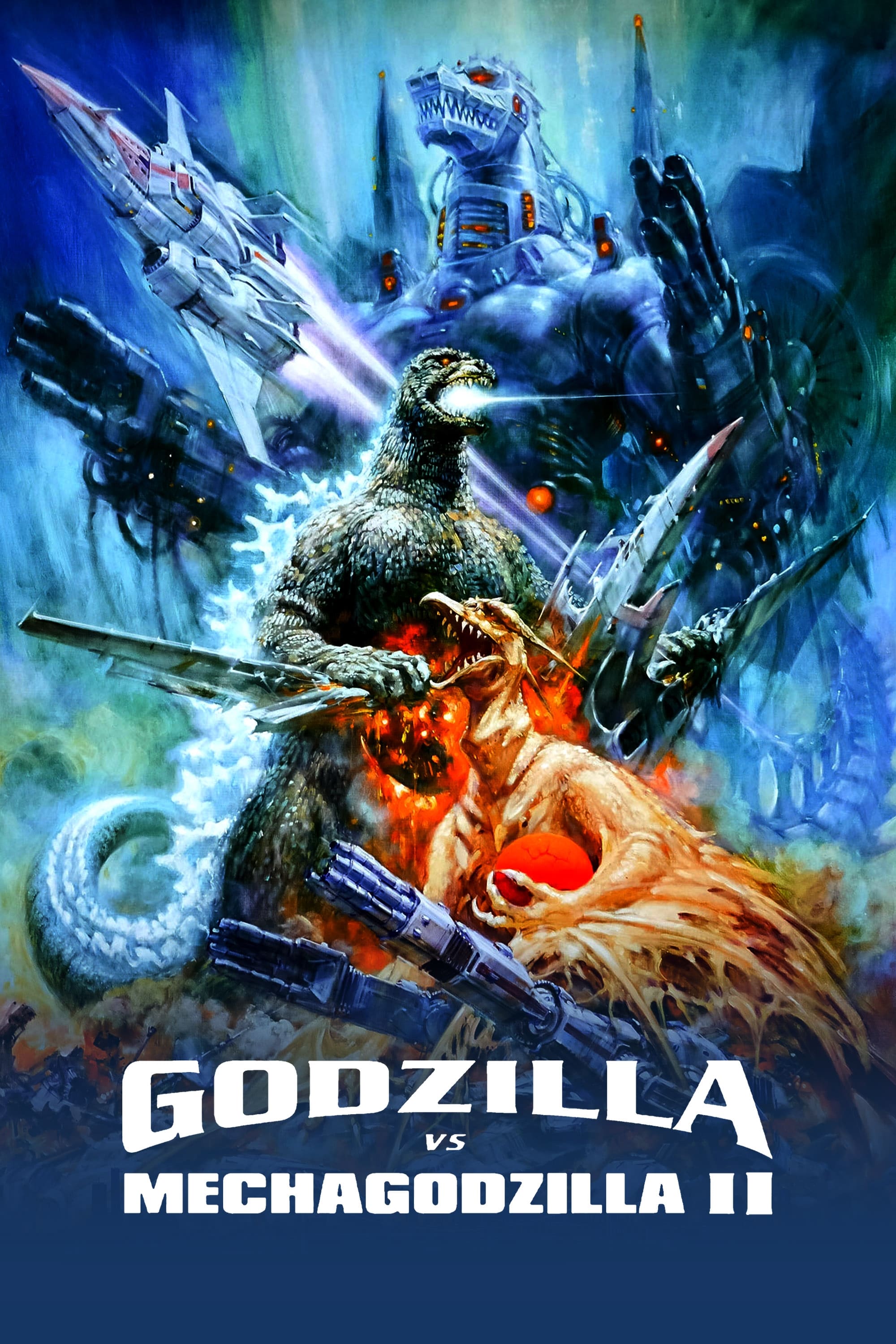
Godzilla vs. Mechagodzilla II
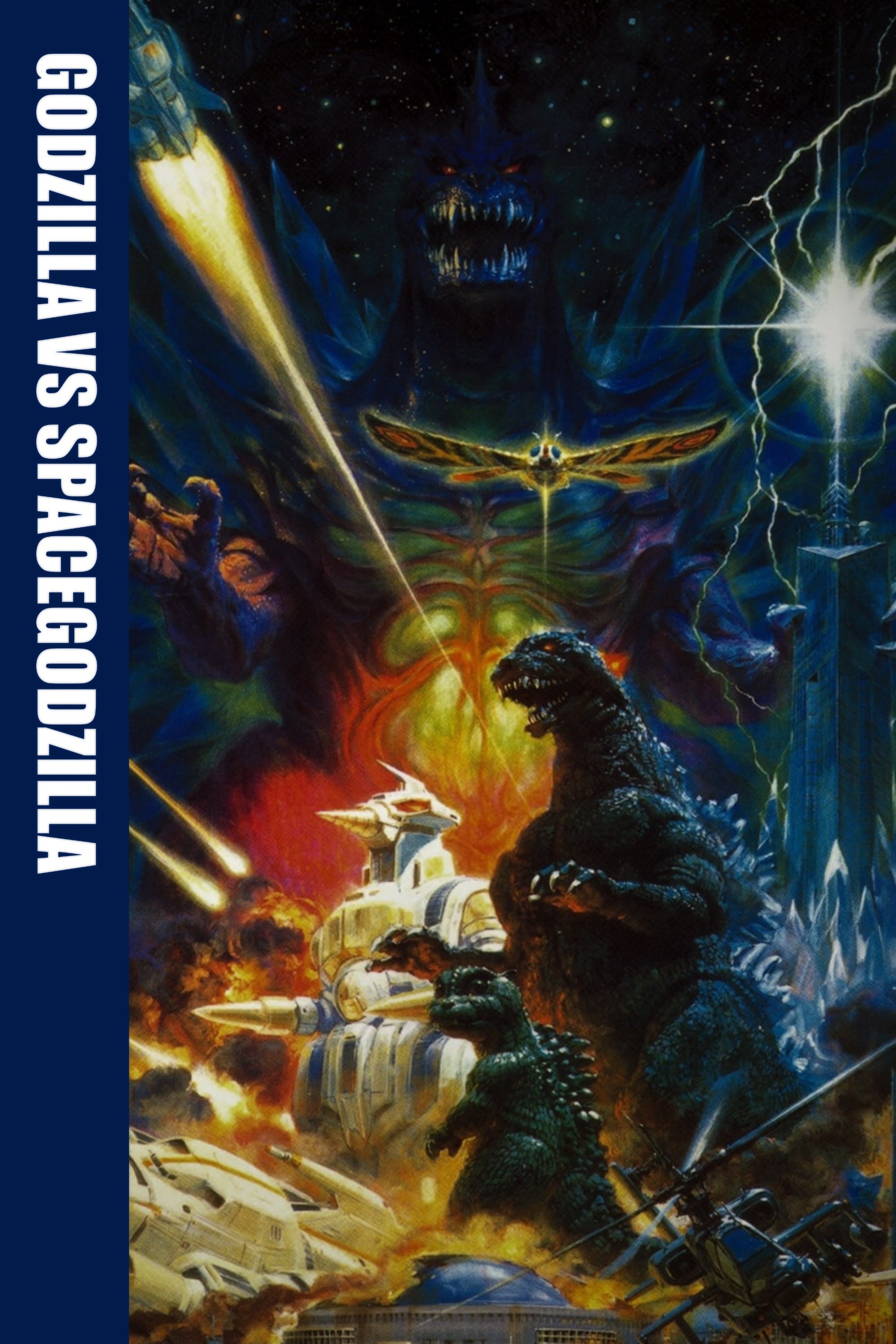
Godzilla vs. SpaceGodzilla
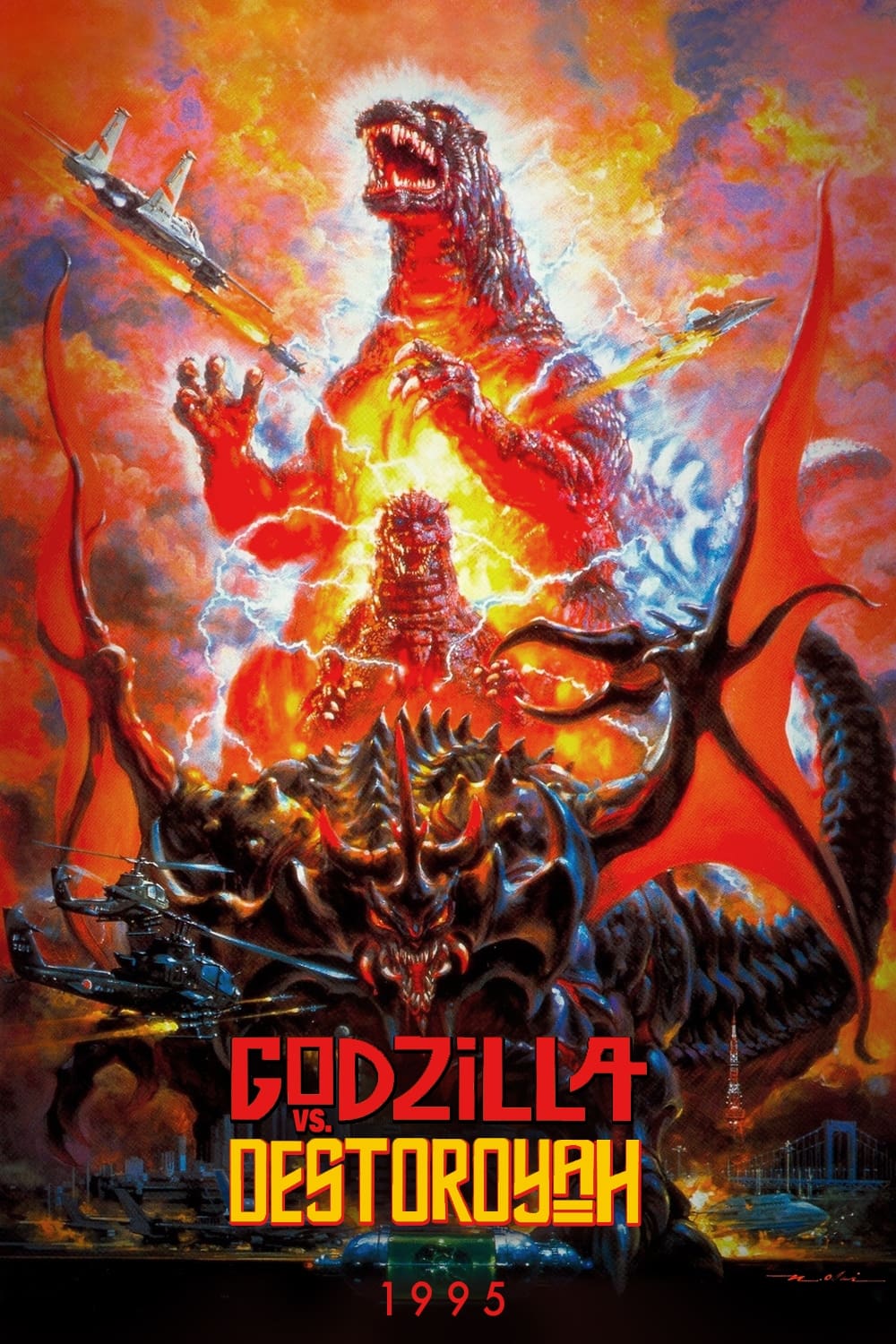
Godzilla vs. Destoroyah
Seven films, one continuous story. The only true serial in franchise history, ending with Godzilla's death and a nuclear meltdown.
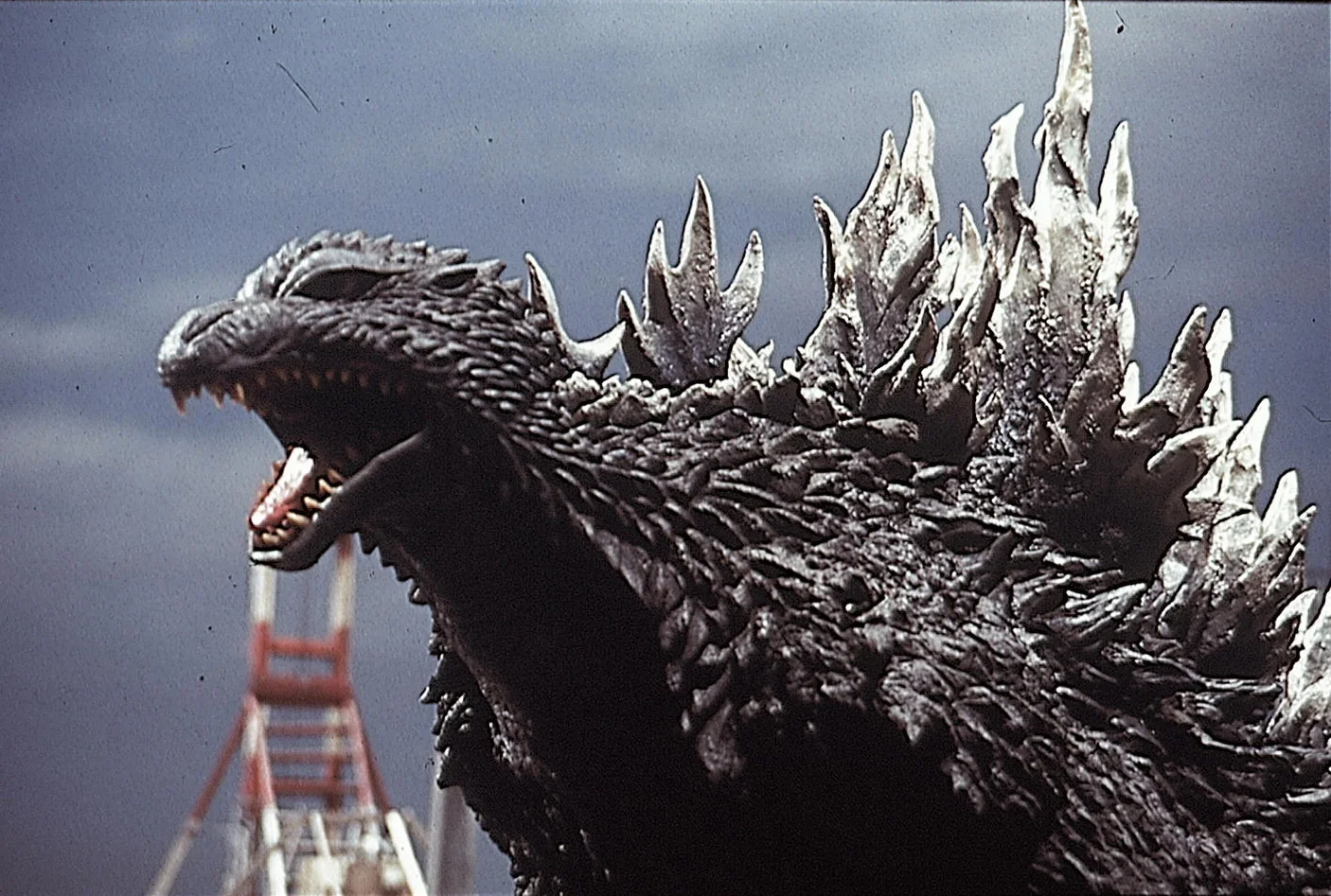
The anthology years
In 1998, TriStar Pictures released Godzilla, a big-budget American retelling whose creature design looked more like an oversized iguana than a Toho kaiju. Reception was poor, the planned trilogy was cancelled — and Toho, watching the opening, scrapped its own planned hiatus. Just one year later, Godzilla 2000: Millennium (1999) would kick off the Millennium era.
Between 1999 and 2004, Toho released six films under the Godzilla brand. And besides Godzilla Against Mechagodzilla (2002) and Godzilla: Tokyo S.O.S. (2003), none of them share the same continuity.
The Millennium era, 1999–2004
An anthology run. With the exception of the Mechagodzilla pair, each film is a standalone reboot off 1954 — six incompatible Godzillas in six years.
Godzilla 2000: Millennium is another reboot, continuing from the 1954 original with a new Godzilla. Godzilla vs. Megaguirus (2000) is a different reboot, but in a timeline where Godzilla was not killed by the Oxygen Destroyer in 1954. Godzilla, Mothra and King Ghidorah: Giant Monsters All-Out Attack (2001) is yet another reboot, again featuring the original Godzilla. In this version, he’s possessed by the restless spirits of Japan’s World War II war dead — soldiers who died without acknowledgment or memorial — and is again explicitly malevolent. The film’s Japan has forgotten its wartime past, and Godzilla arrives to jog its memory. GMK references the 1998 TriStar Godzilla film as an amphibian attack on New York City, but casts doubt on this being an actual Godzilla attack. This shade indicates that the TriStar Godzilla shares a timeline with GMK.
But it all really start to fold in on itself with Godzilla Against Mechagodzilla and Godzilla: Tokyo S.O.S. This reboot again picks up after the original film, and suggests that the skeleton of the original Godzilla was salvaged and used to construct a Mechagodzilla (Kiryu) to fend off a new, second Godzilla, who appears in 1999. But it also suggests that certain Showa films — Rodan (1956), Varan (1958), Mothra (1961), Atragon (1963), Frankenstein vs. Baragon (1965), The War of the Gargantuas (1966), King Kong Escapes (1967), and Space Amoeba (1970) — took place, while any featuring a second Godzilla did not. In the sequel, Godzilla: Tokyo S.O.S., Mothra demands that Japan return the hunted bones of the original Godzilla to the ocean, and this eventually happens when Mechagodzilla and this second Godzilla fall deep into an ocean trench.
This is strange cinema. Toho had discovered that the character was large enough to sustain completely incompatible versions running in parallel across adjacent years. Each director was given their own Godzilla. Each Godzilla was literally different: a different monster design, a different continuity, different politics. And when the era comes to an end with Godzilla: Final Wars (2004), a big-budget action film that doesn’t even recognize the 1954 original as canon, but features kaiju from various films across various timelines, it was clear that this strategy had run its course. Final Wars — released on the 50th anniversary of the original — features more kaiju in a single story than any other Godzilla film, attempting to reconcile the chaos of all these various competing timelines, but with little success.
The strategy failed commercially. Final Wars was the worst-performing Godzilla film in franchise history. And Toho suspended the franchise again, this time for twelve years.
The Millennium era
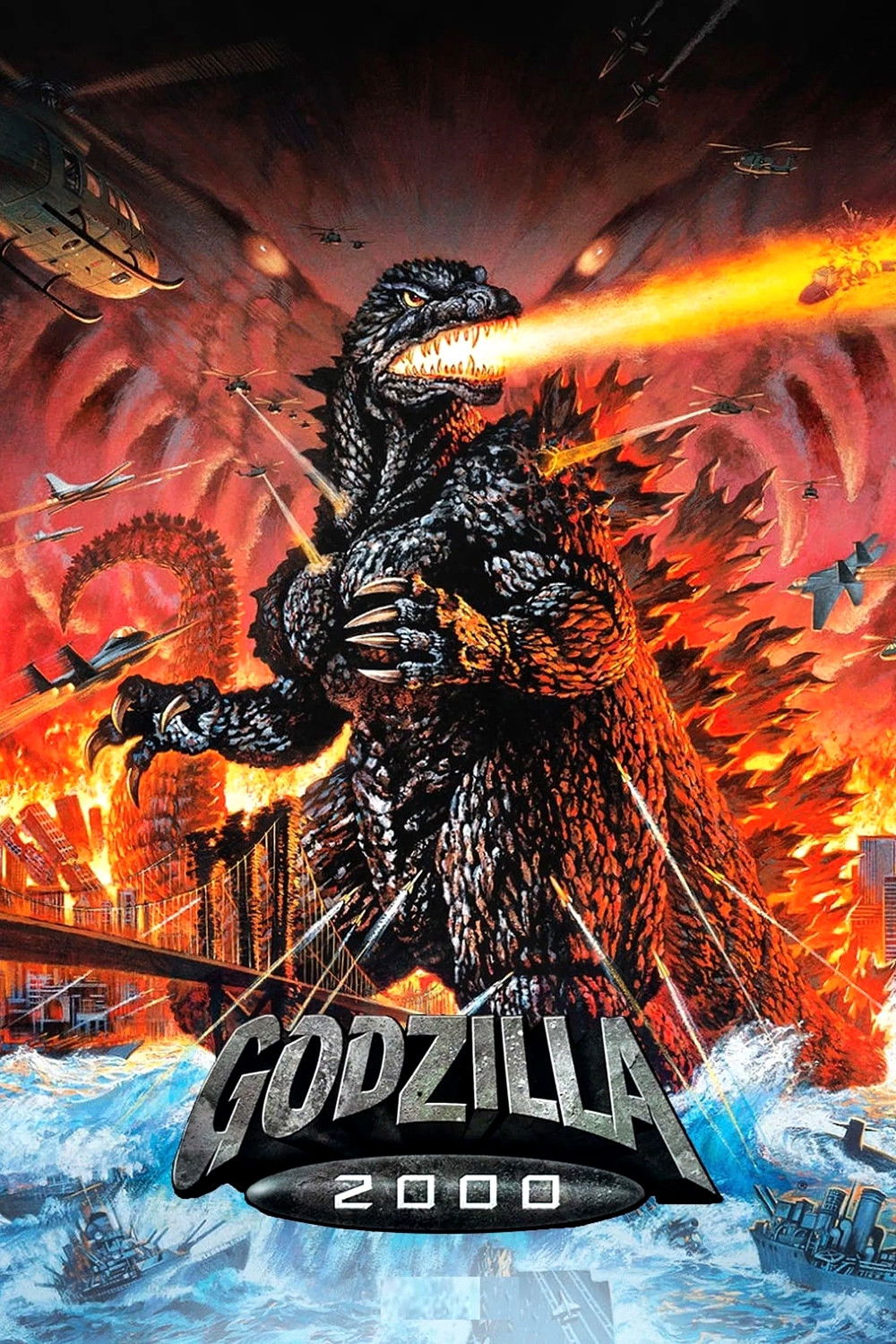
Godzilla 2000: Millennium
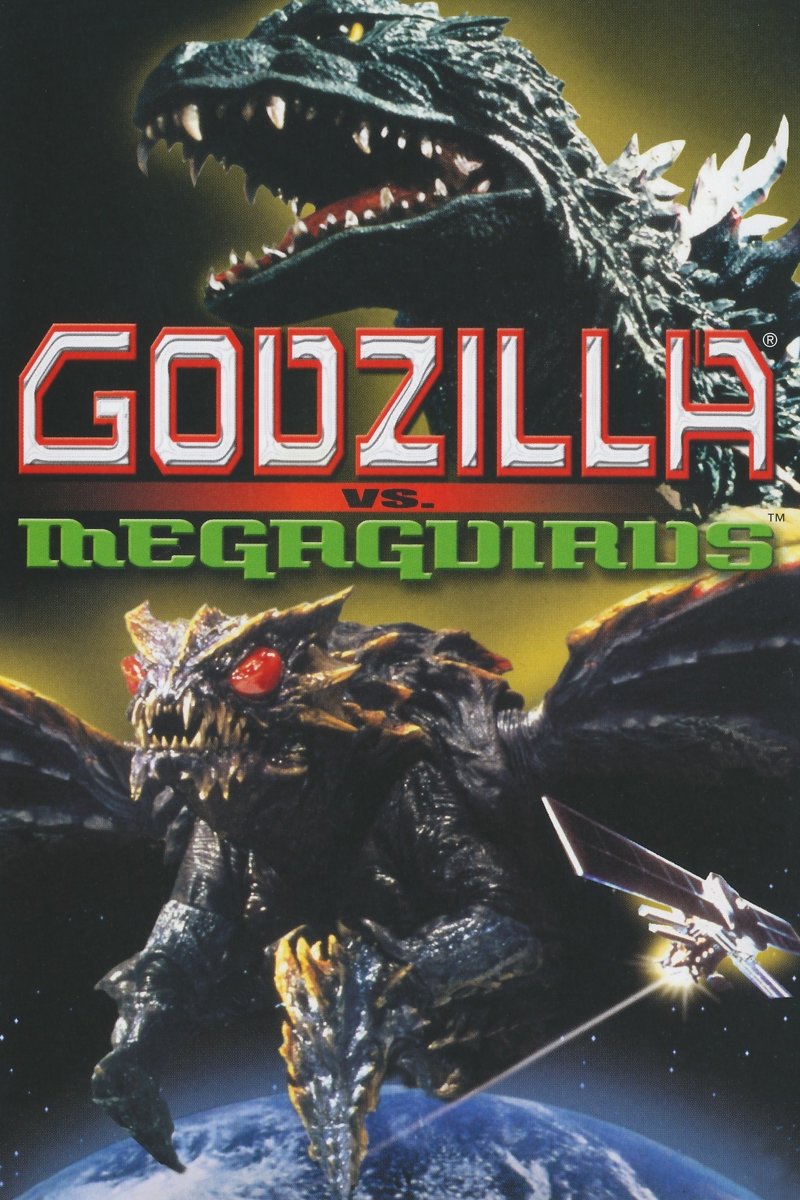
Godzilla vs. Megaguirus
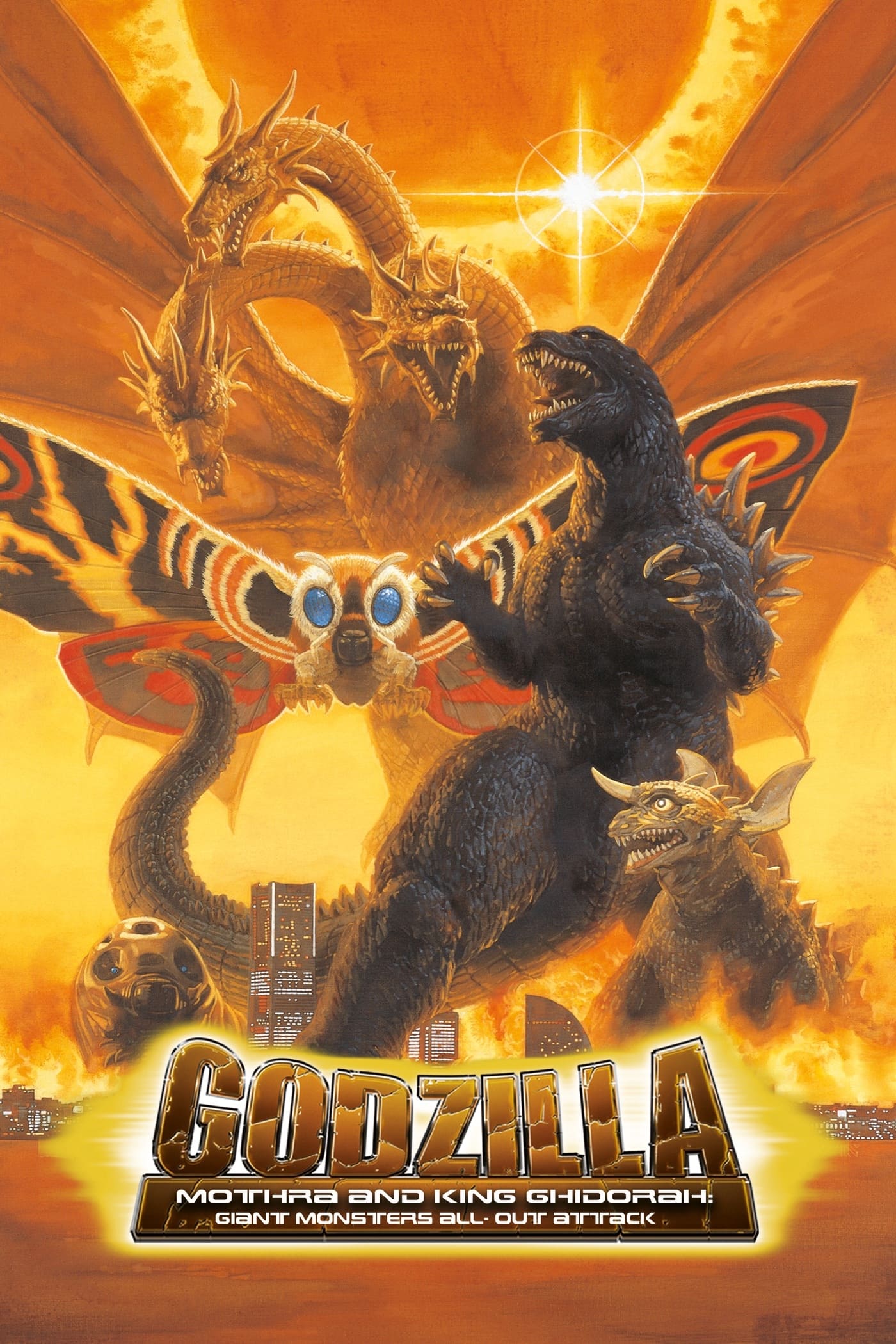
Godzilla, Mothra and King Ghidorah: Giant Monsters All-Out Attack
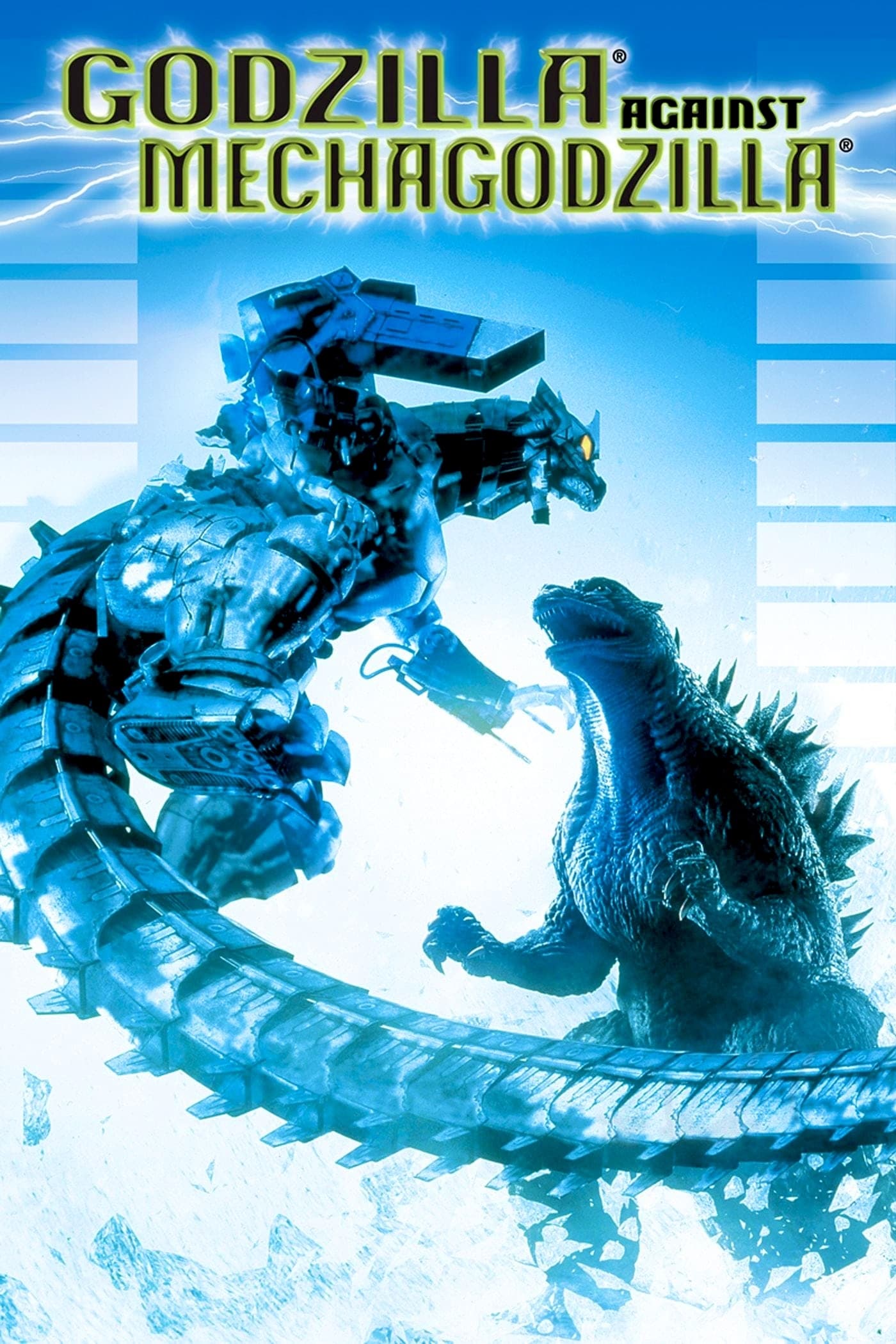
Godzilla Against MechaGodzilla
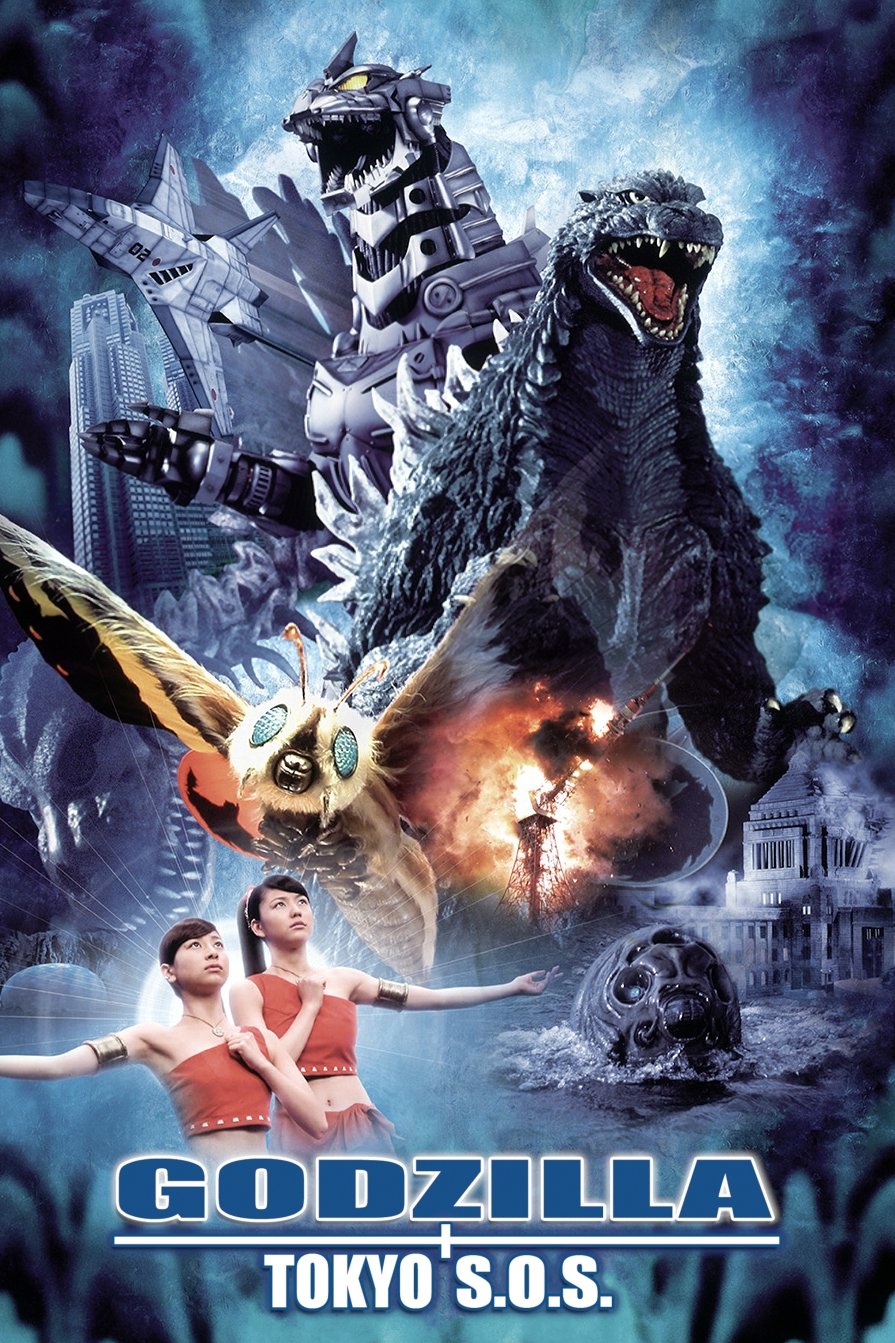
Godzilla: Tokyo S.O.S.
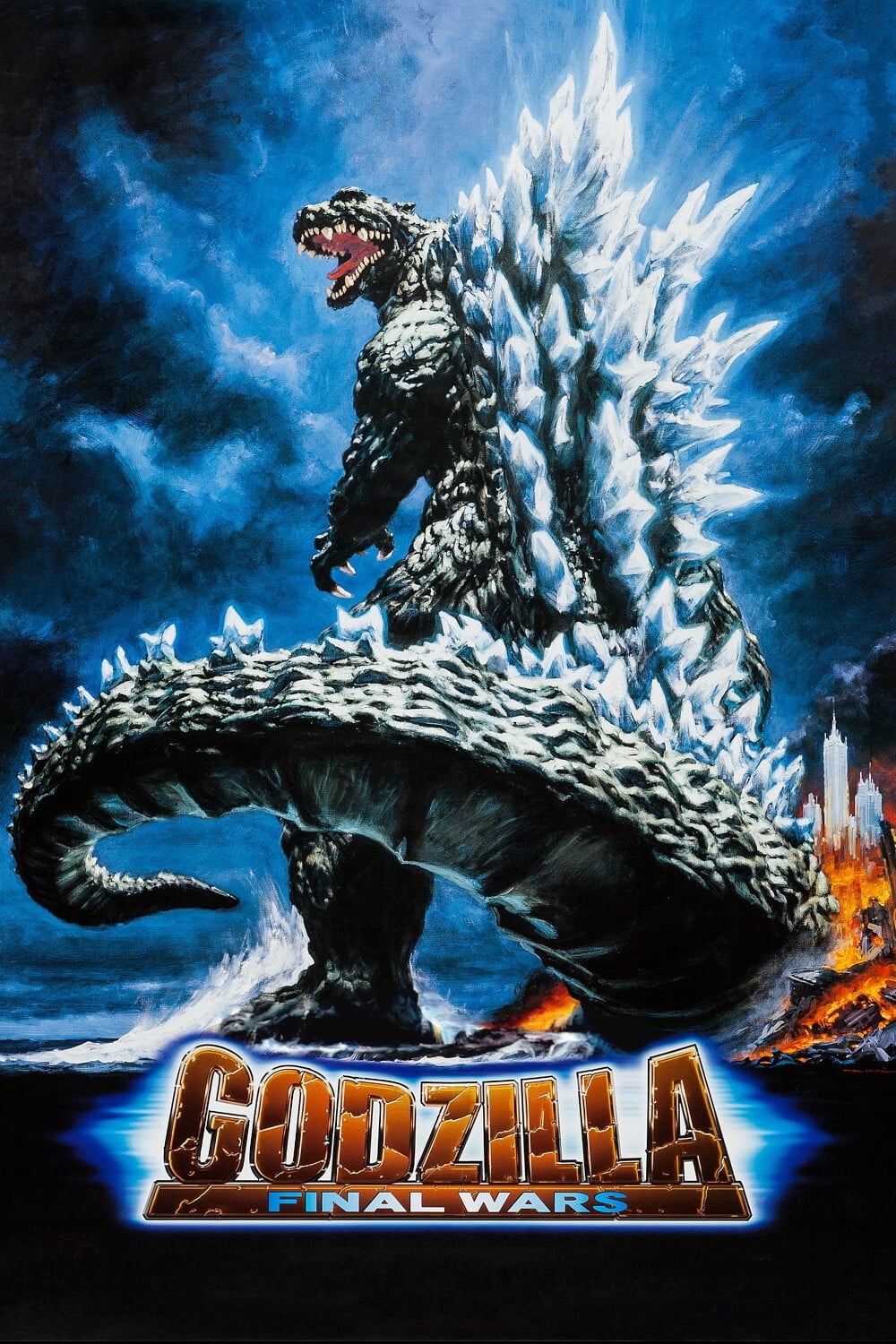
Godzilla: Final Wars
Six films, six continuities. The most formally radical stretch in franchise history, running from 1999 through 2004 without any two films sharing a canonical reality.
The Fukushima Disaster
On March 11, 2011, a magnitude 9.1 earthquake struck 70 kilometers off the coast of Japan, triggering a tsunami that reached heights of forty meters in some locations and killed nearly 20,000 people. The wave disabled the cooling systems at the Fukushima Daiichi nuclear plant. Three reactors melted down. The surrounding area was evacuated. And radiation traces reached Tokyo. The event was the worst nuclear accident since Chernobyl, and it resurrected Japan’s dormant nuclear anxieties.
The bureaucratic monster
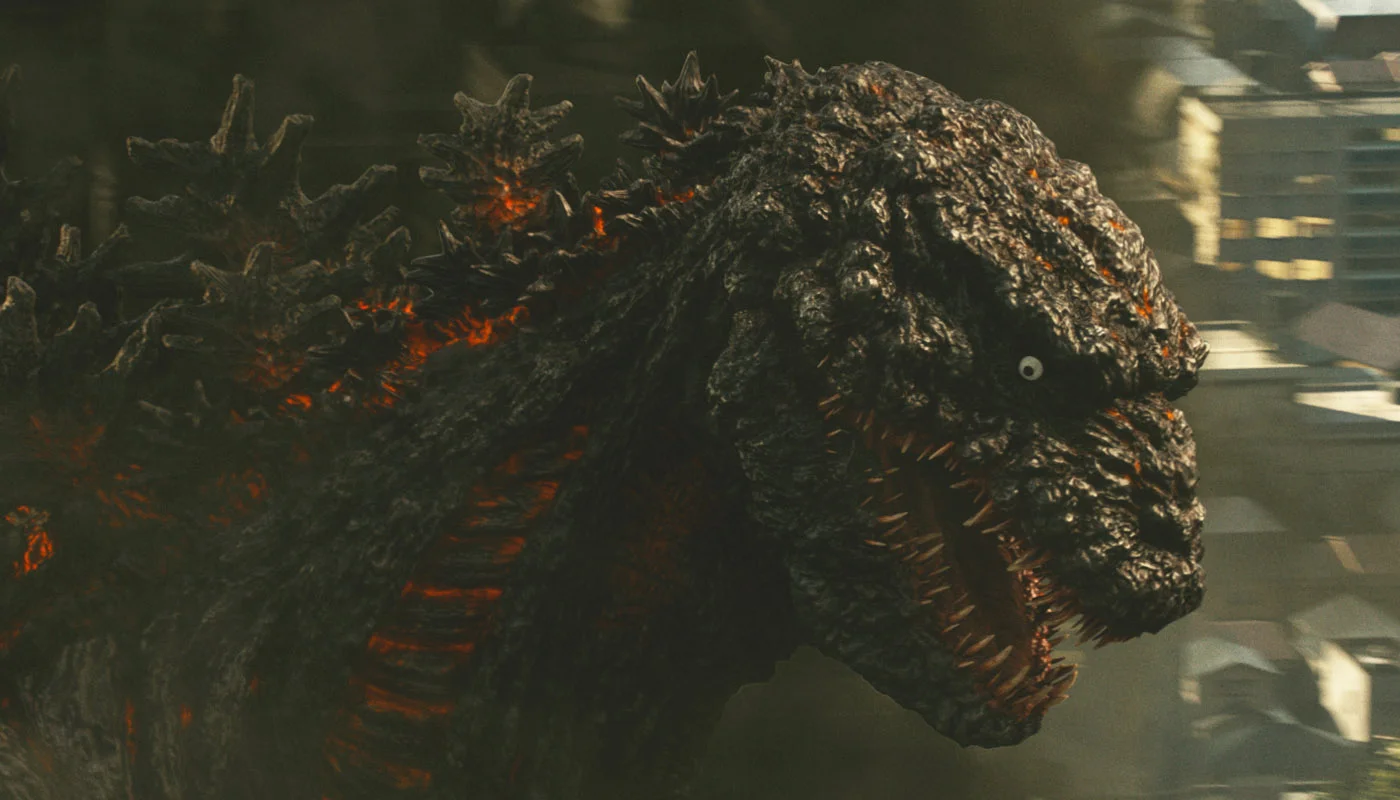
Shin Godzilla (2016) is almost entirely about the Japanese government’s response to the Fukushima disaster. The film was directed by Hideaki Anno — creator of Neon Genesis Evangelion — and co-directed by Shinji Higuchi. It opens with an unexplained event in Tokyo Bay and never stops being a procedural. For the first hour, barely a decision can be made without six committees convening, twelve officials deferring to higher officials, and the prime minister being evacuated for the eighth time. The creature — visually the most disturbing version in franchise history, with tiny vestigial arms and lidless forward eyes, moving with the gait of something that has never learned to walk — appears in brief, devastating sequences between stretches of prolonged bureaucratic paralysis. This Godzilla is a sea creature, mutating since consuming nuclear waste on the ocean floor. In other words, a disaster of Japan’s own making.
It is the most successful Japanese film in the entire franchise, drawing ¥8.25 billion at the Japanese box office. It won the Japan Academy Film Prize for Best Picture, in addition to 9 other nominations. And every viewer who had lived through 2011 knew immediately what the bureaucratic paralysis was about: the Fukushima disaster response, which had been widely and angrily criticized for exactly the kind of inter-agency gridlock the film depicts.
Shin Godzilla wasn’t a sequel; it was a re-interpretation of the original film, applied to Japan’s fourth nuclear event. And its success brought what had been missing from the Godzilla franchise since 1954: prestige.
Defense as redemption
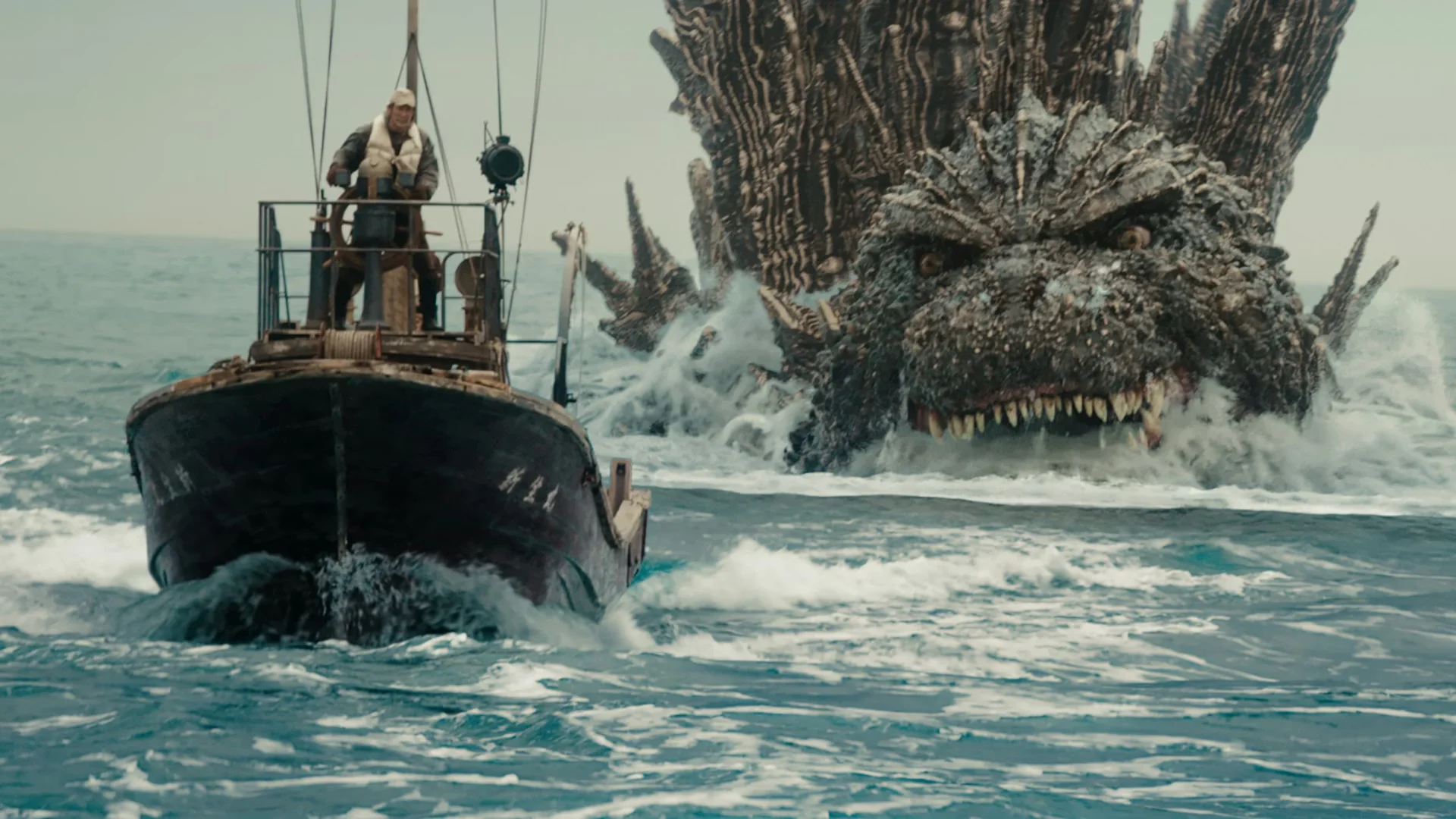
Toho followed the success of Shin with another, even more successful, full reboot in Godzilla Minus One (2023). This film takes place between 1945 and 1947 — immediately after World War II and pre-dating the original film. The protagonist, Kōichi Shikishima, is a kamikaze pilot who fakes mechanical issues to avoid completing a suicide mission. He diverts to an island base to request repairs, only to encounter the island’s mythical monster, Godzilla. He survives, along with one of the base’s mechanics, but everyone else is killed in the attack. In the postwar ruins, he is just one of the men trying to rebuild while carrying survivor’s guilt that will not discharge. Godzilla appears as an additional attack against a country that has already lost everything. And the populist defense of Japan against Godzilla’s eventual landfall, led by Shikishima, provides a way for the citizens to regain purpose and dignity amidst so much loss.
Yamazaki — better known in Japan at the time for his Always: Sunset on Third Street trilogy, period pieces about postwar Tokyo’s reconstruction — was a natural choice. He directed Minus One alongside its visual effects, leading a team of roughly thirty-five at Shirogumi. Audiences responded: Minus One became the highest-grossing Japanese live-action film ever released in the United States, and Toho gave it a 2024 IMAX rerelease followed by Godzilla-1.0/C, a black-and-white cut drawing even stronger allusions to the original film, which Yamazaki had quietly wanted to make all along.
Godzilla Minus One won the Academy Award for Best Visual Effects at the 96th Academy Awards — the first Japanese film ever to win in that category, and the first Japanese film to win in a craft category since Departures in 2009, despite an entire production budget of approximately ¥1.5 billion (~$10 million USD). The film also received 12 nominations at the Japan Academy Film Awards, 2 more than its predecessor.
The Reiwa era
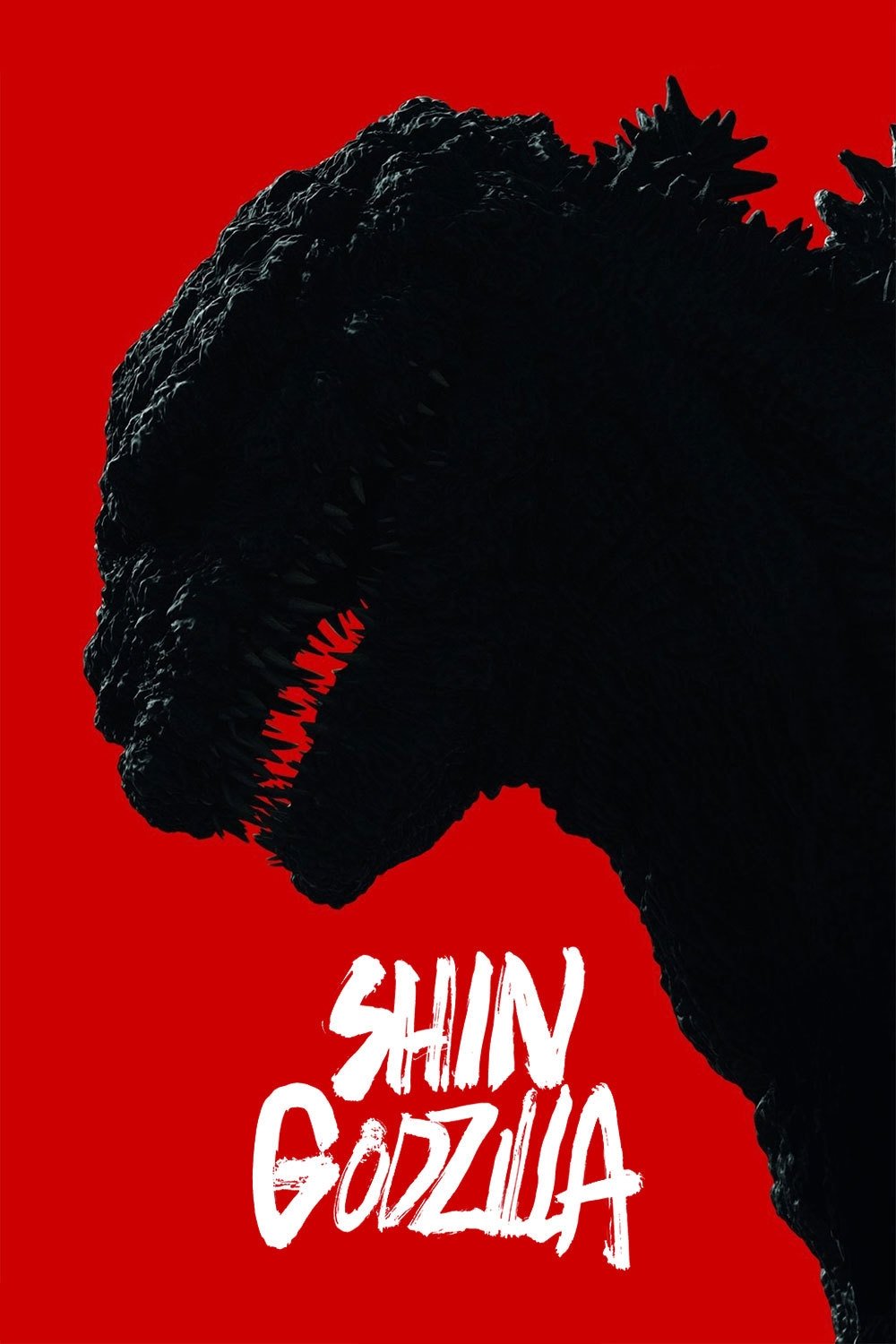
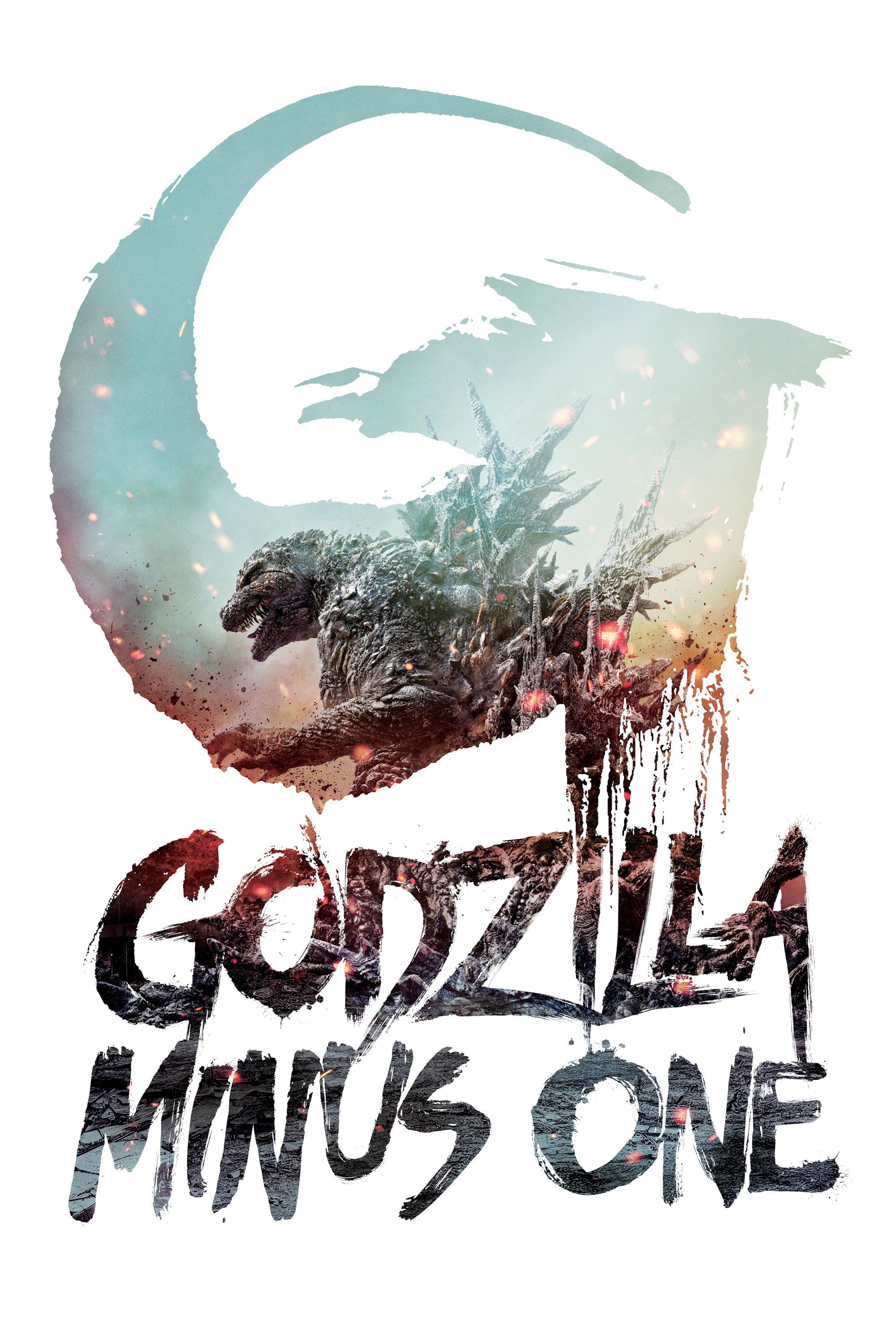
Two films, both standing alone. Shin Godzilla as a Fukushima procedural. Godzilla Minus One as WWII survivor's guilt. Both are among the finest films the franchise has produced.
The dysfunctional continuity is the point
There are many deserved criticisms to level at individual Godzilla films. And each viewer is free to have their own favorite films or eras. But when you boil it down, the nature of the films — be it the kid-friendly action of the Showa years or the grotesquity of Shin Godzilla — seem to have less to do with the wants of the filmmakers than the needs of the Japanese audience at any given point in time. The dysfunctional continuity, in other words, is not a production failure, but perhaps the franchise’s organizing principle. Godzilla is reset when Japan has something new to process. The Showa era softened into family entertainment when postwar anxiety found other outlets. The Heisei era rebuilt the monster as a Cold War allegory when conflict demanded it. The Millennium era ran six incompatible versions simultaneously because there were six different things to say. Or perhaps nothing to say at all. Shin Godzilla reset for Fukushima. Minus One reset to address grief left unresolved for 70 years.
Toho Godzilla films, 1954–2026
Four eras separated by three long hiatuses. The gaps — nine years, three years, twelve years — are not production gaps. They are years when Toho had nothing adequate to say.
The silences — the nine-year one after 1975, the three-year one after 1995, the twelve-year one after 2004 — are not gaps in the franchise. They are years when Toho had nothing adequate to say. When the world provided an event large enough to demand a new Godzilla, a new Godzilla appeared, rising out of the sea and making landfall on the country’s collective conciousness.
The seventy years of this franchise are not a coherent narrative. They are Japan’s ongoing argument with catastrophe, paused and restarted as required, with Godzilla as the only character large enough to carry whatever the current disaster needs to say. The monster doesn’t have a continuous story because Japan doesn’t have one either. The continuity confusion is a feature. And in a way a record of what happened. Every Godzilla, in the end, is a different monster — because Japan keeps becoming a different country.
Continue exploring
- Browse all kaiju filmsEvery giant monster film in the database, from Gill-Man to the present.
- Explore Japanese horrorJapan’s full contribution to the genre — kaiju, J-horror, and beyond.
- Browse the 1950sThe decade that produced both Godzilla and the Universal Monster boom.
- Search Toho filmsEvery Toho production in the database.