

The Monster Renaissance, by the Numbers
How a 1957 television deal lit a fuse — and the painter who carried it into the next twenty-five years.
In November of 1960, a ten-year-old, midwestern kid picked a magazine off a drugstore spinner rack and saw something he’d never seen before: Vincent Price, as Roderick Usher, rendered not in the flat gray halftone of a press photo but in a painterly fever dream of burning orange and arsenic green, looking more like hallucination than documentation. The magazine was issue nine of Famous Monsters of Filmland. The painter was a thirty-one-year-old Greek-Egyptian-American commercial illustrator named Basil Gogos.
Gogos would go on to paint roughly fifty covers for Famous Monsters over the next two decades — vampires, werewolves, mummies, gill-men, and Frankensteins — each one rendered in a color palette that didn’t exist in any of the films they depicted. And by the time he was done, Gogos would earn recognition as the most important horror illustrator of the twentieth century.
But his career in horror wouldn’t have even begun without the late 50s resurrection of the Universal Monster films, a strange chain of events turned a generation of American children into monster kids of the late fifties. Gogos simply showed up in time to give that fandom a technicolor face. It starts, as most American cultural revolutions of the postwar era do, with a television deal.
The deal that started it all
On July 1, 1957, Screen Gems — the television syndication arm of Columbia Pictures — signed a deal to distribute Universal Studios’s entire pre-1948 catalog on American television. The package ran to more than five hundred films. It covered everything Universal had made before 1948: its horror films, its mysteries, its westerns, and B-pictures.
Universal had been sitting on the library for years, leasing pieces of it to second-tier theatrical re-distributors while the older films played out their afterlives on drive-in double bills and Saturday matinees. By the mid-fifties that market was exhausted. Television, which had spent its first decade hostile to Hollywood features, had finally become hungry enough to pay real money for them. And Screen Gems had the muscle to distribute Universal’s vault of Draculas and Frankensteins.
They wasted no time: before the ink dried, they had assembled the first package of fifty-two titles for syndication and given it a name: Shock!. The package included the Universal canon’s crown jewels — Tod Browning’s Dracula, James Whale’s Frankenstein, Karl Freund’s The Mummy, the original Invisible Man — alongside a strange assortment of crime pictures and B-mysteries padded in to round out the deal. (Some Universal classics were conspicuously held back: Bride of Frankenstein, House of Frankenstein, and House of Dracula would all be released the following spring in a follow-up package titled Son of Shock.)
The response was instantaneous. By mid-November — six weeks into the rollout — Shock! had been sold to seventy-eight stations across the country. Billboard reported that stations airing the package were seeing rating jumps anywhere from thirty-eight to more than a thousand percent. In New York, a late-night slot that had been drawing negligible numbers was pulling nearly half the available viewing households within weeks. Local stations, sensing the opportunity, hired weathermen and floor managers to put on capes and host the films in character. A genre — the late-night horror host — was born overnight.
Almost immediately, the establishment recoiled. The Television Code Review Board of the National Association of Radio and Television Broadcasters declared Shock! “bad programming” and proposed that member stations be denied the NARTB Seal of Good Practice if they aired it. The U.S. Department of Justice filed an antitrust suit against Columbia, Screen Gems, and Universal in April 1958, alleging the deal violated the Sherman Act. Neither effort went anywhere. The ratings were too good, the stations too willing, the country too curious. The DOJ case dragged on for two years but was dismissed in June of 1960 — by which point Famous Monsters of Filmland had been running for two years, and Gogos had just painted his first cover.
Classic monster films as a share of all horror, 1945–1980
The 1957–59 plateau dwarfs anything before or after. For three consecutive years, nearly half of all horror released worldwide featured a vampire, werewolf, mummy, Frankenstein, or Frankenstein-adjacent creature.
The chart tells the rest of the story in one shape. In 1956, the year before the Screen Gems deal, classic monster films made up about thirty-two percent of all horror released worldwide. In 1957, that number jumped to forty-six percent. The following year, forty-seven. The year after that, forty-four. For three consecutive years, nearly half of every horror film made on earth was a Universal-style monster picture. Nothing in horror’s recorded history compares.
The films that lit the fuse
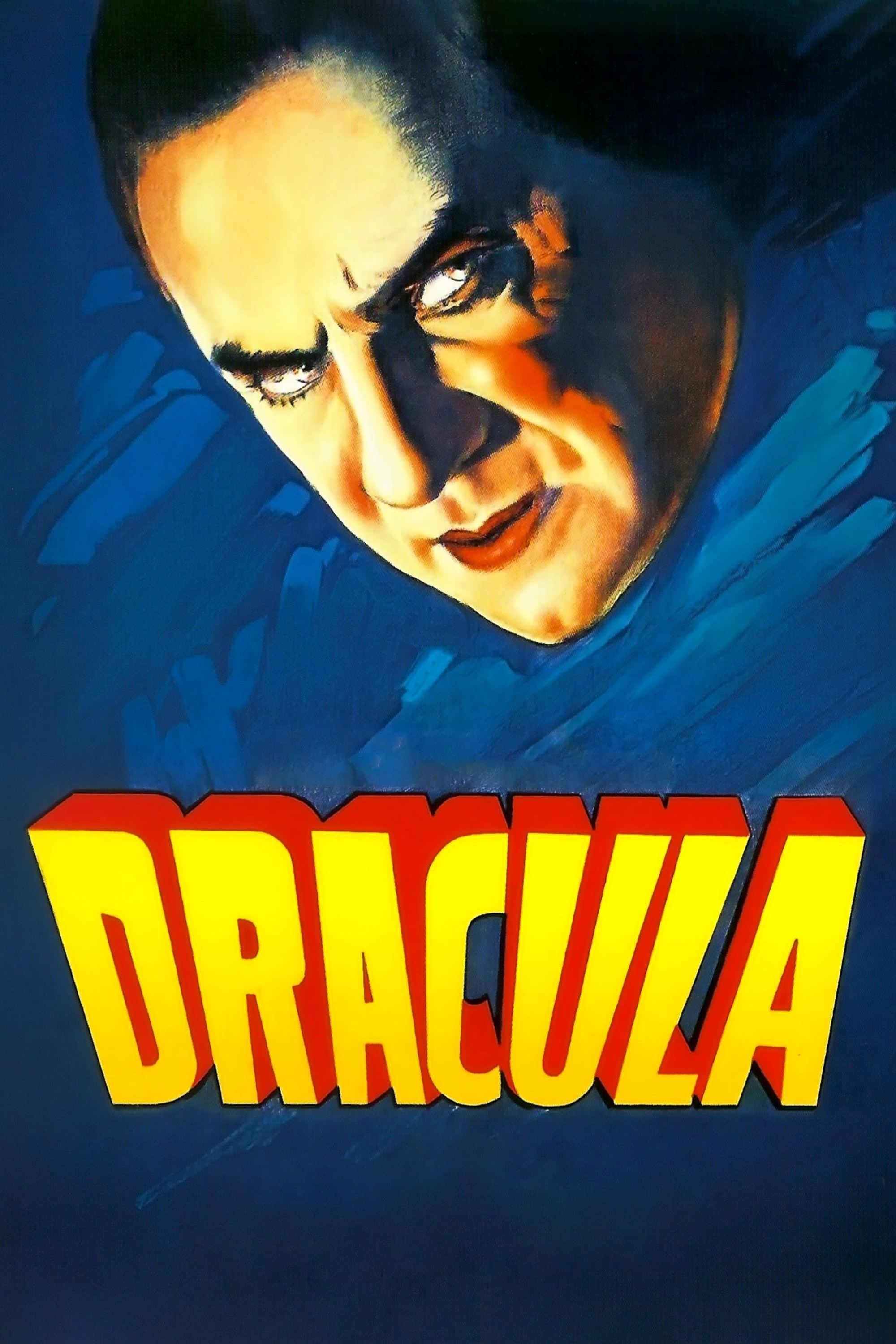
Dracula
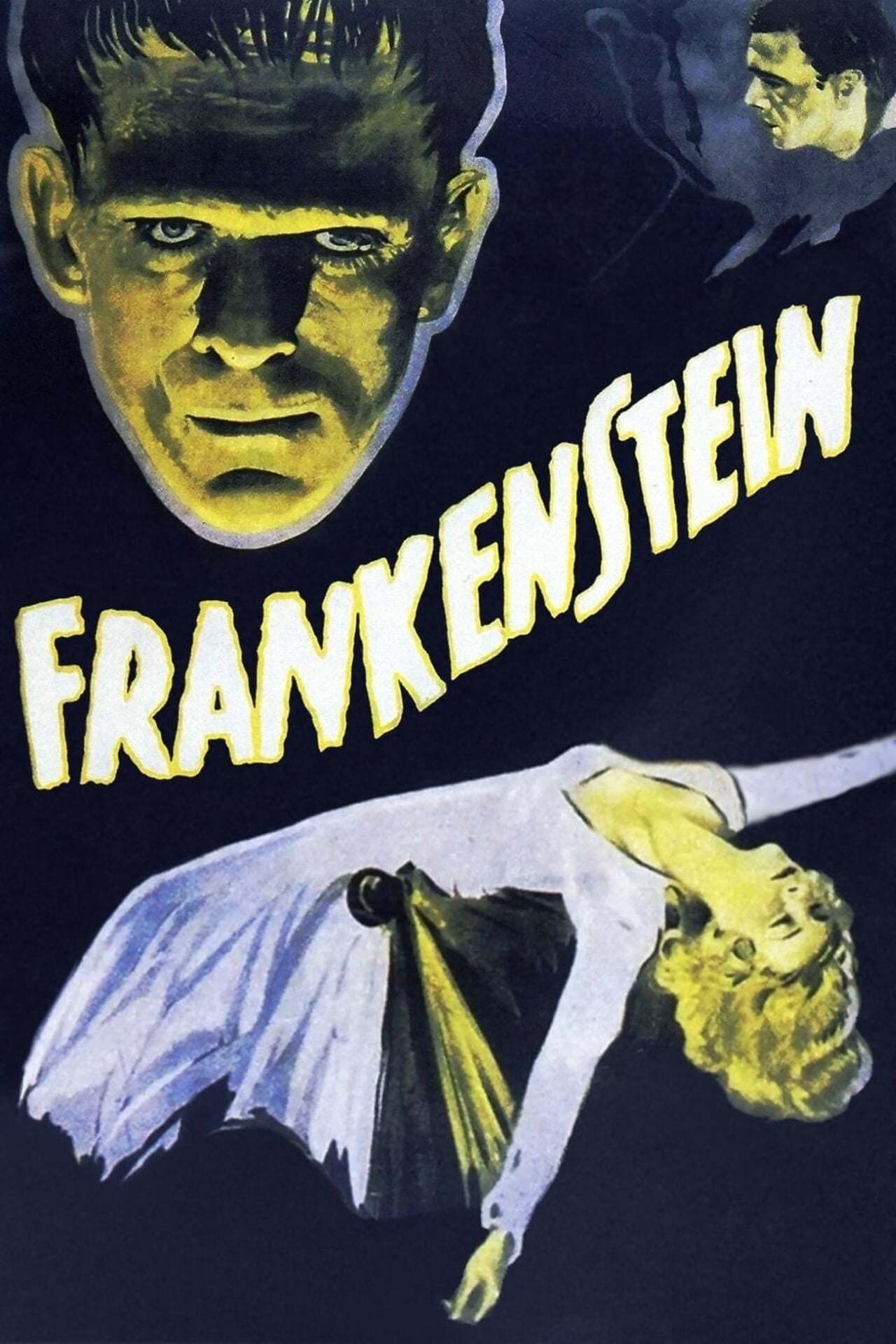
Frankenstein
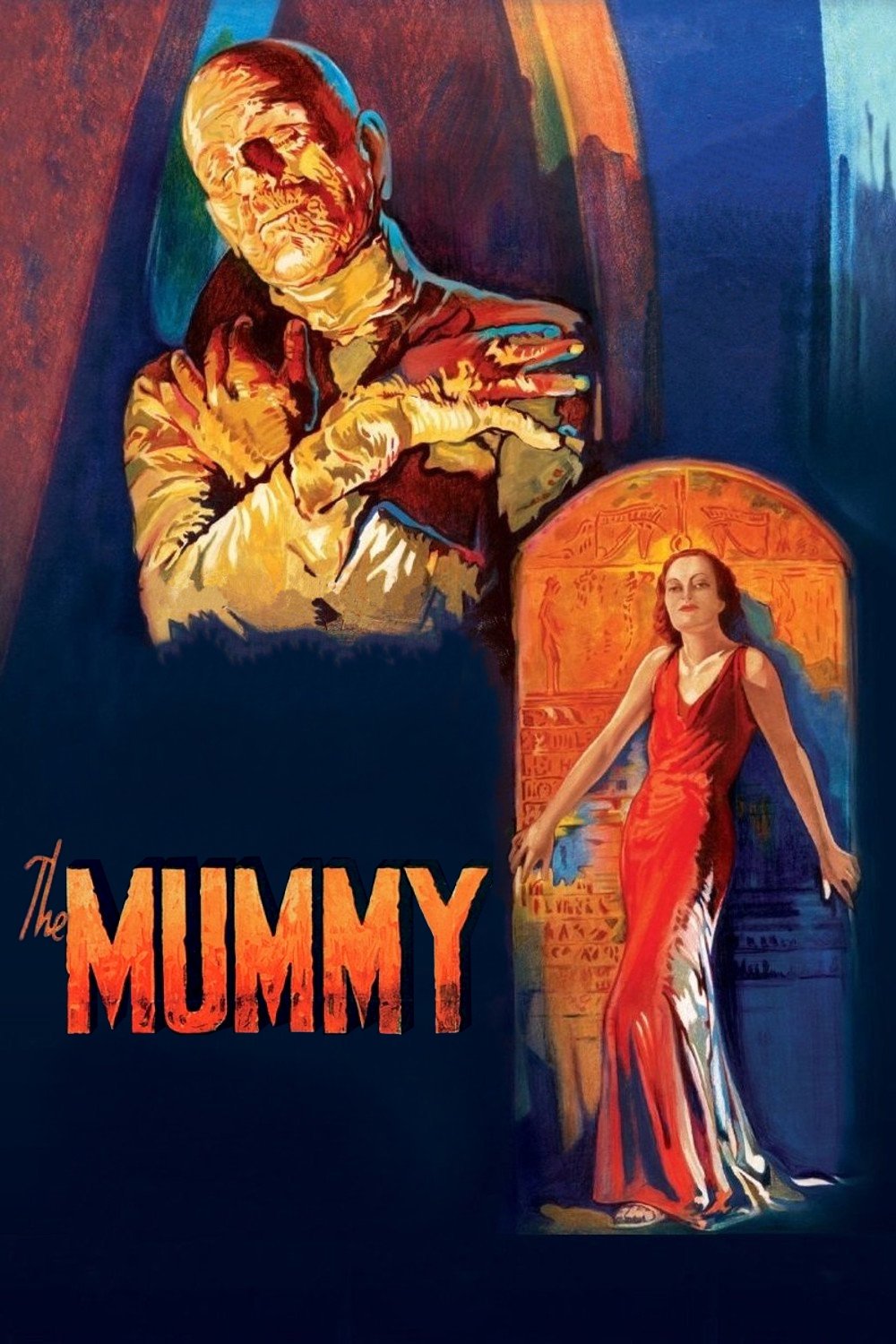
The Mummy
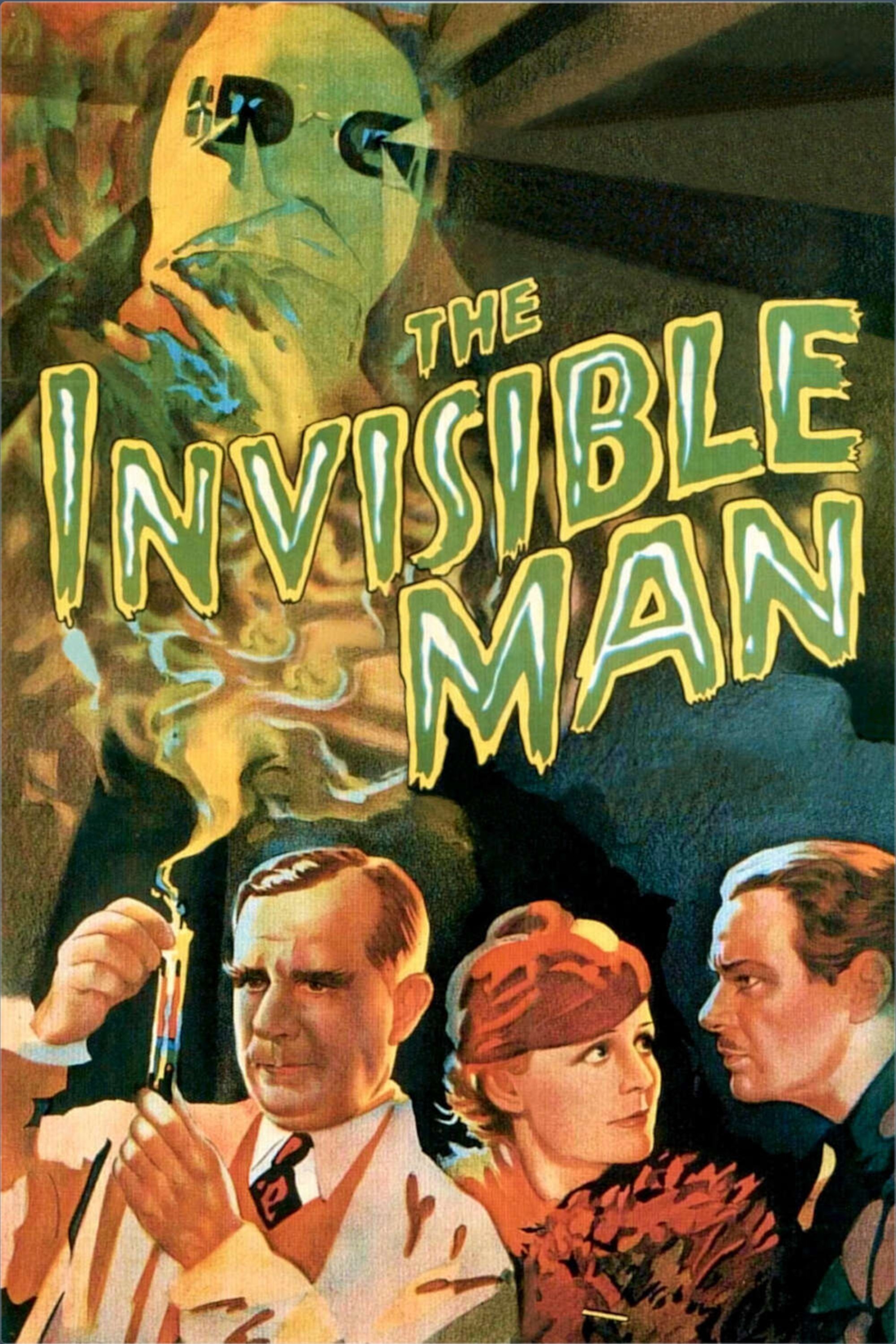
The Invisible Man
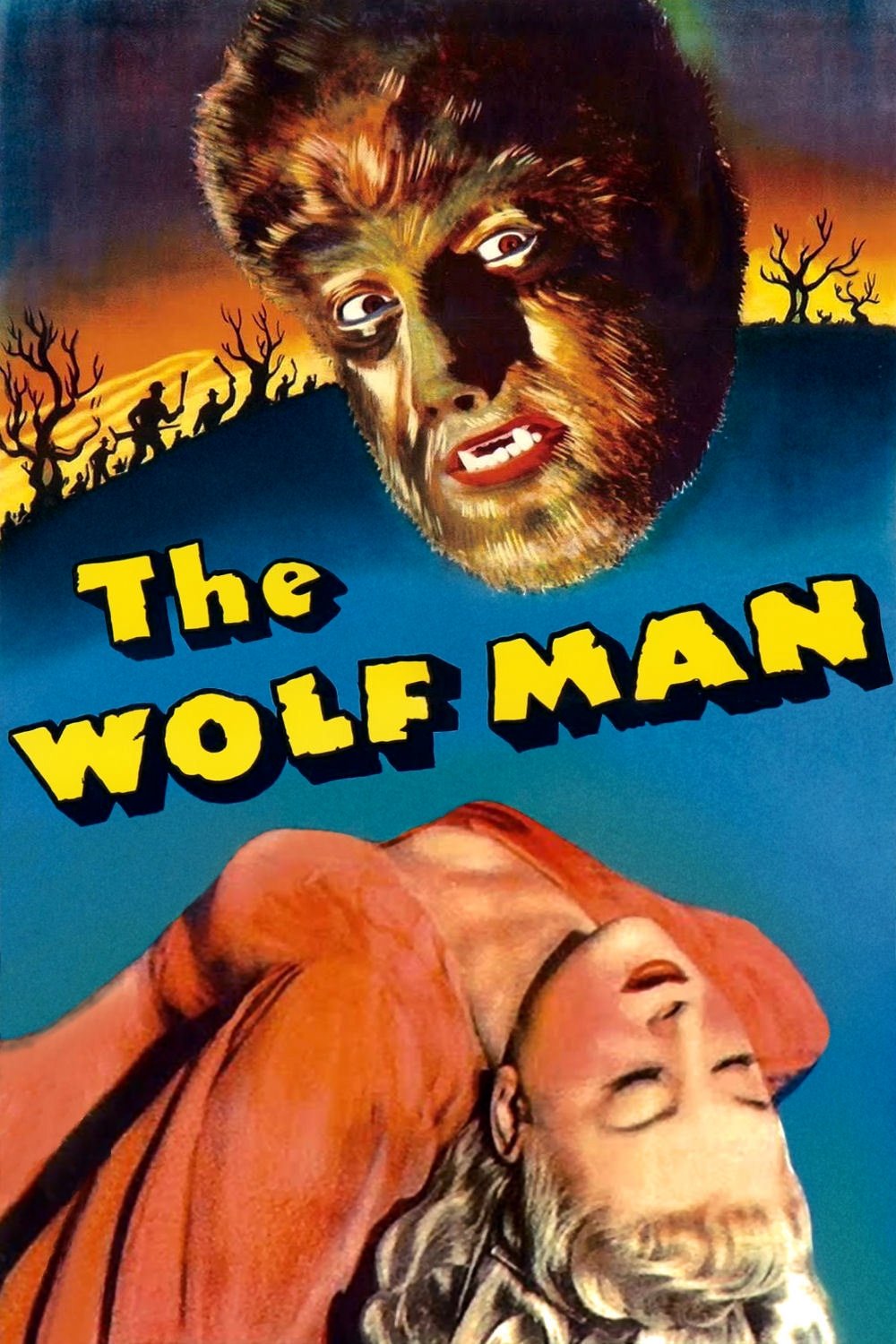
The Wolf Man

Bride of Frankenstein
The original Universal monsters that hit American television in October 1957 as part of Screen Gems's Shock! package, plus Bride of Frankenstein from the May 1958 follow-up.
Hammer arrives, in color, in theaters
The Screen Gems deal and the television monster revolution was the bigger story, but it was not the only story unfolding in 1957. Two months before Shock! hit American TV, Hammer Film Productions premiered The Curse of Frankenstein in the United Kingdom (it would reach American theaters that June): the first gothic horror film shot in full Eastmancolor, starring Peter Cushing as Baron Frankenstein and a gaunt thirty-four-year-old unknown named Christopher Lee as the Creature. It cost sixty-five thousand pounds and grossed many times its budget worldwide.
Hammer had discovered what Universal had forgotten: that the gothic monsters were not period pieces. They were machines for producing dread, and they still worked — especially when you painted them in color, splashed blood across the screen, and let Christopher Lee glower into a camera that wasn’t afraid of a close up. The studio moved fast. Dracula followed in 1958 (Lee in the cape, Cushing as Van Helsing), then a Mummy, a Brides of Dracula, a Werewolf, a Phantom — often two or three gothic pictures a year, sustaining a continuous output of color horror that Universal had no answer for. By the early 1960s Hammer was producing more consequential horror than any studio in the world. Gogos would paint both men’s most iconic roles for Famous Monsters — Lee’s Creature, Cushing’s Van Helsing — in portraits that became more canonical than the film stills they replaced.
Between Hammer films and the late night shows, the boom was real and overwhelming. American kids could meet Karloff’s Frankenstein on Friday night television and Cushing’s Frankenstein at the drive-in on Saturday, an indication of the decade to come.
Hammer’s gothic cycle
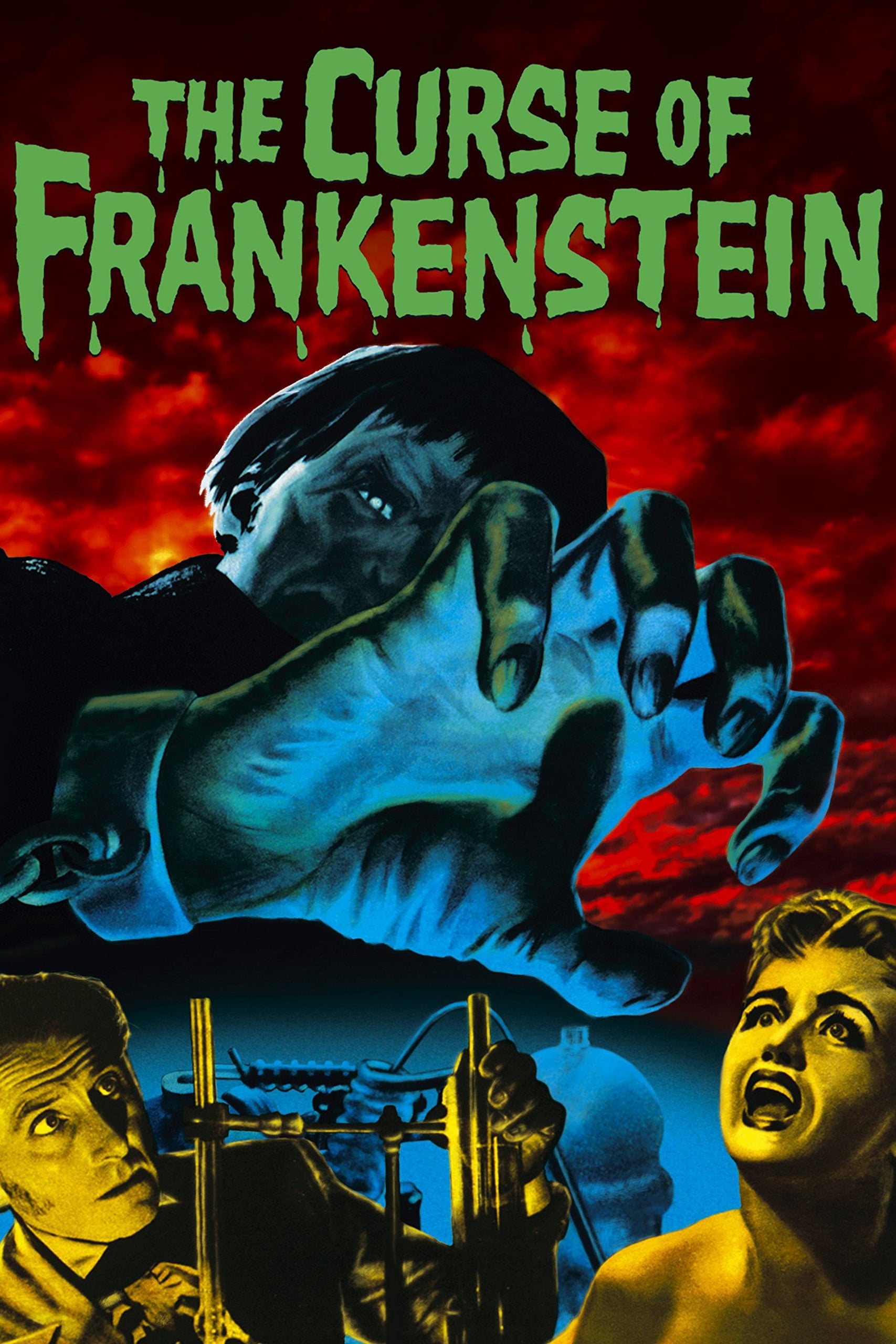
The Curse of Frankenstein
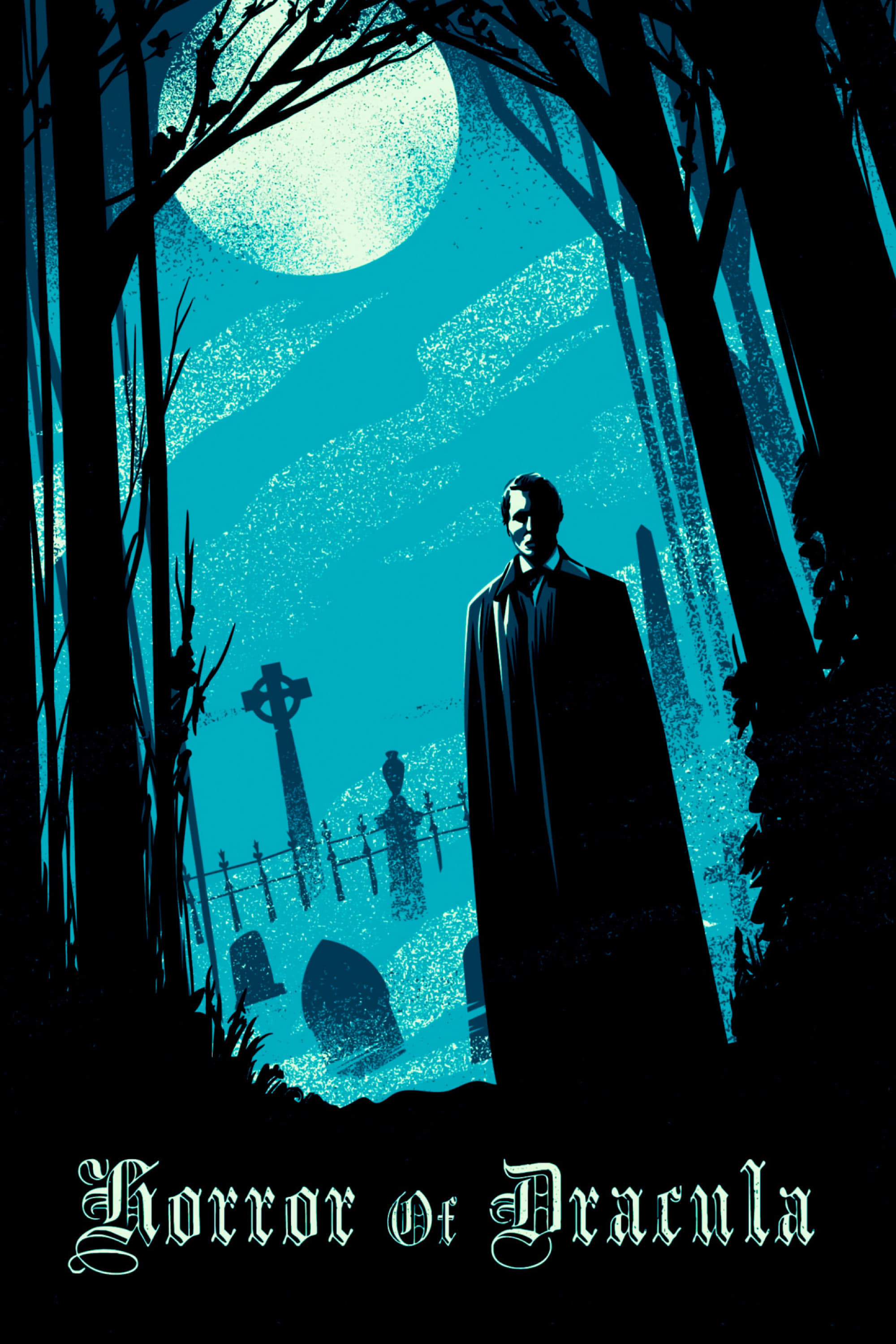
Dracula
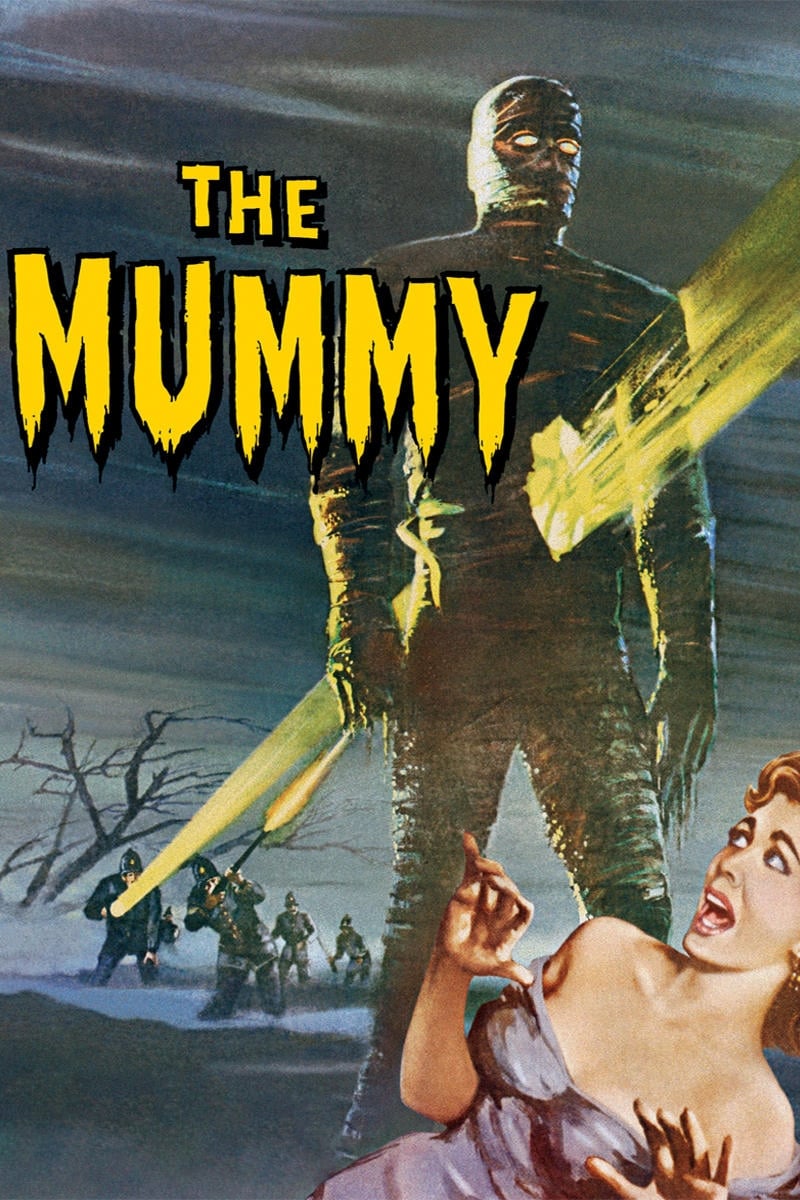
The Mummy
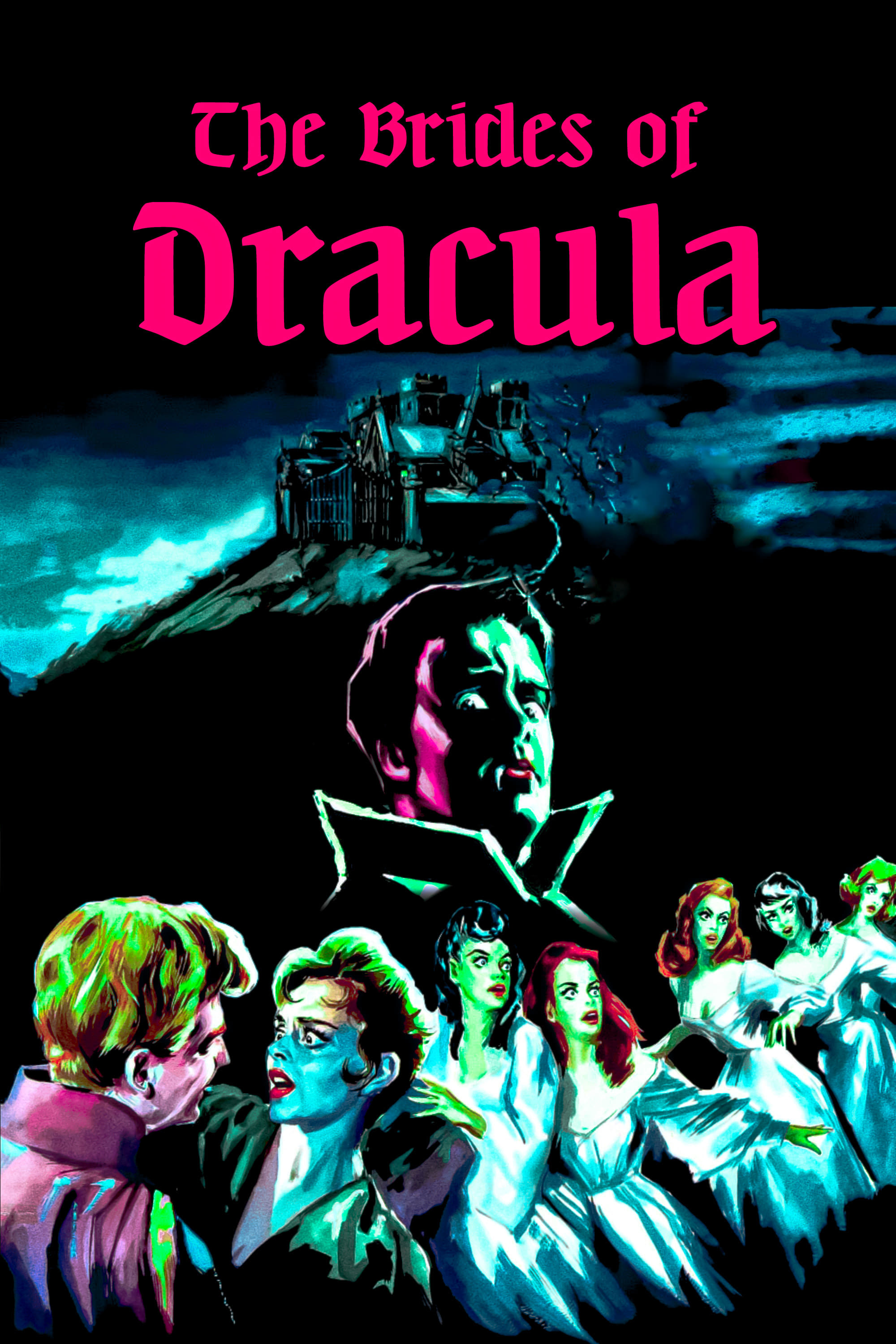
The Brides of Dracula
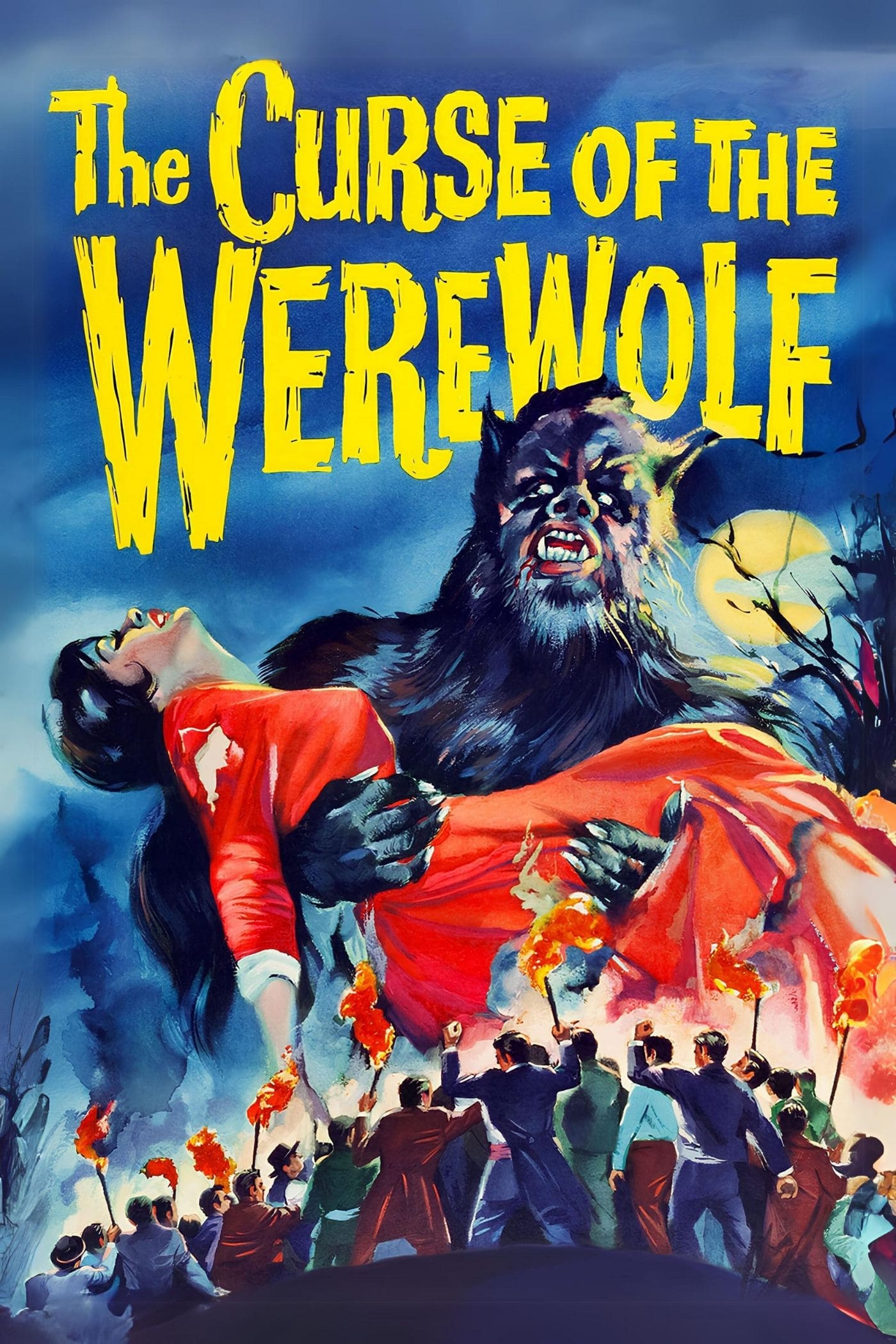
The Curse of the Werewolf
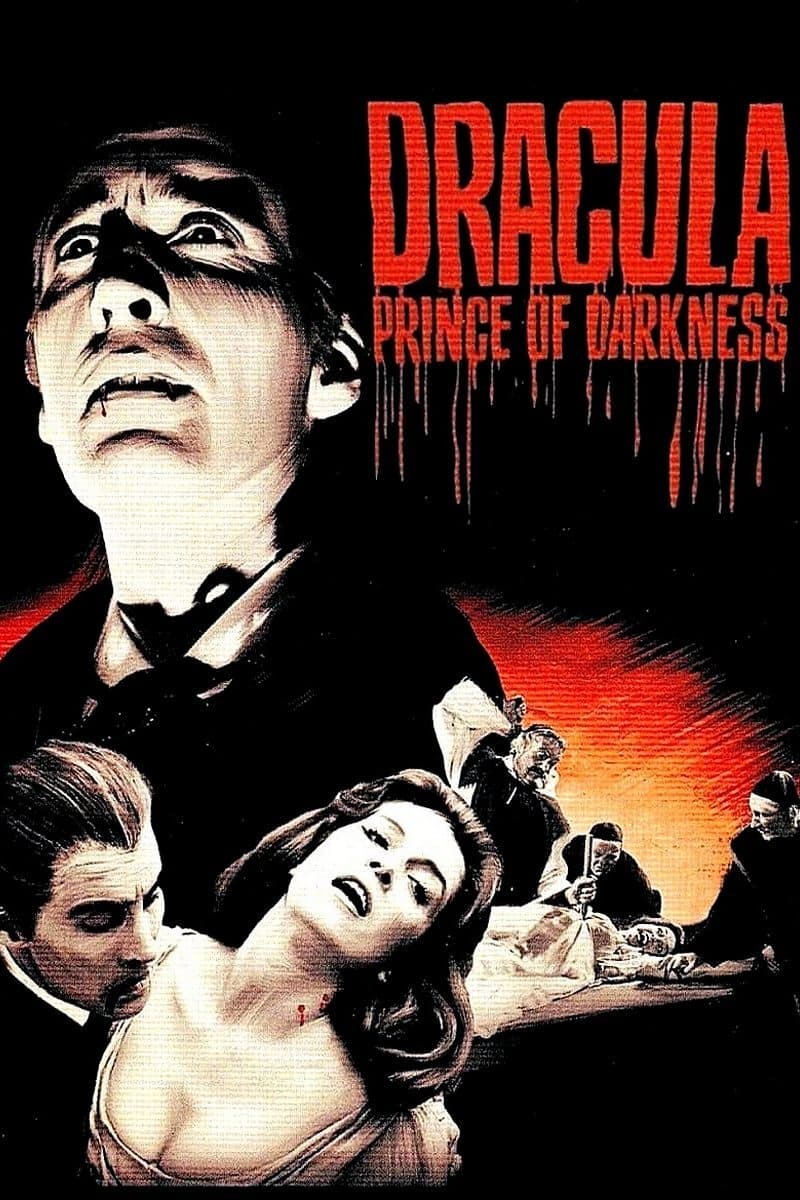
Dracula: Prince of Darkness
The films that made Hammer the most consequential horror studio of the postwar era. Cushing and Lee headline most of them; the color work alone makes the case for what Universal had lost.
The Frankenstein decade
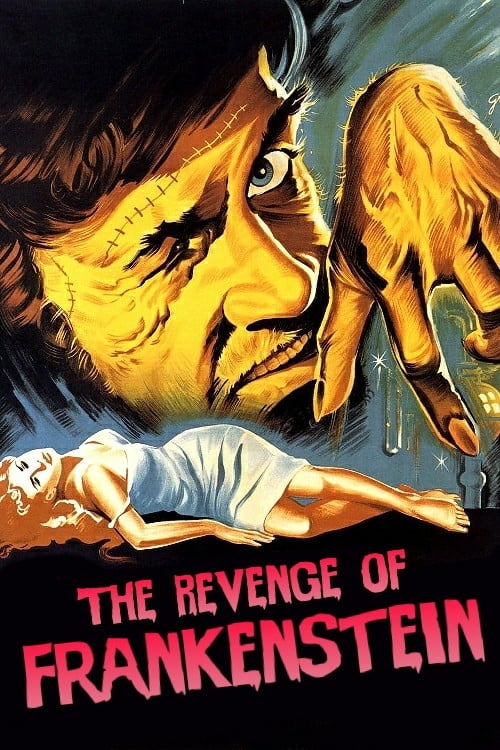
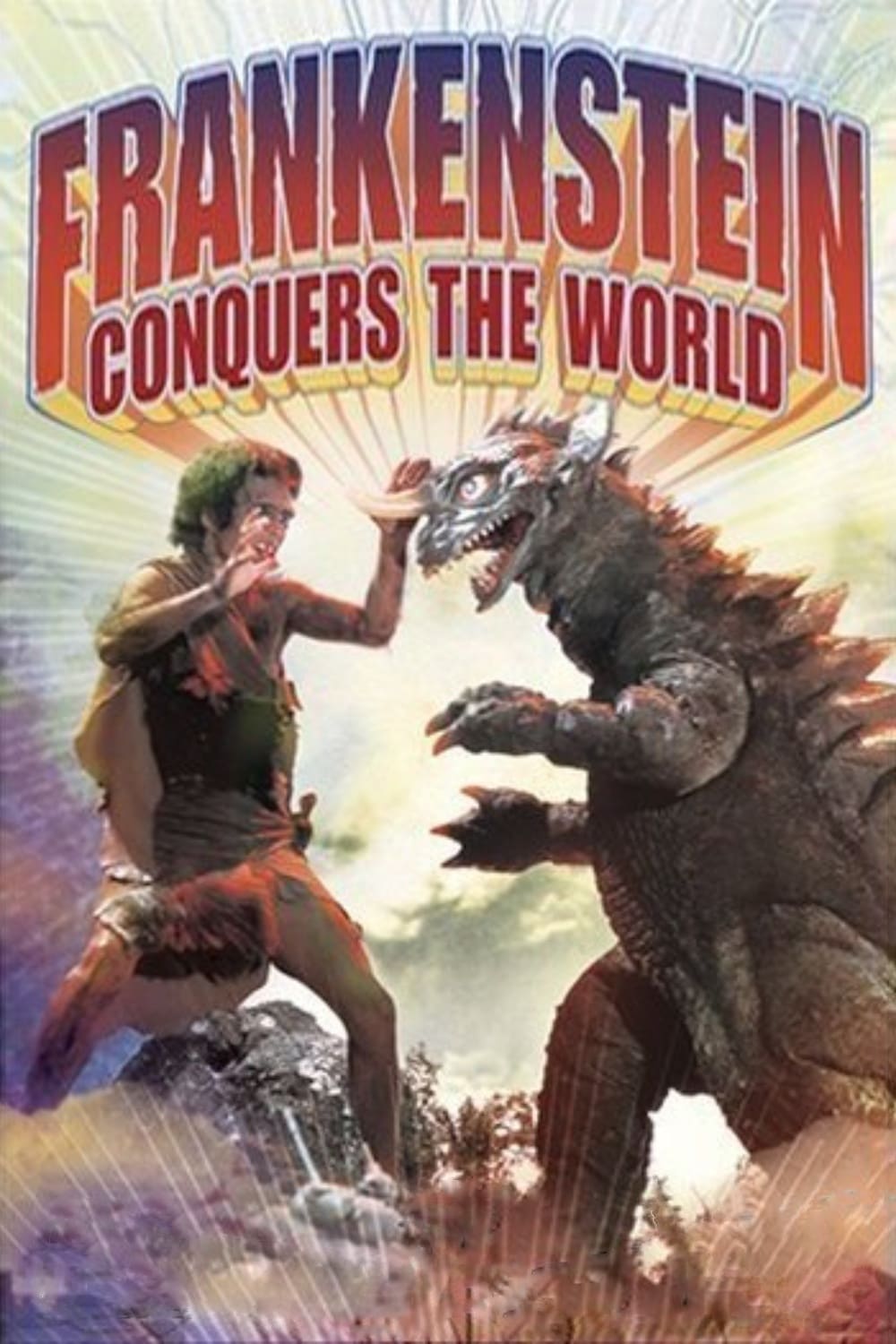
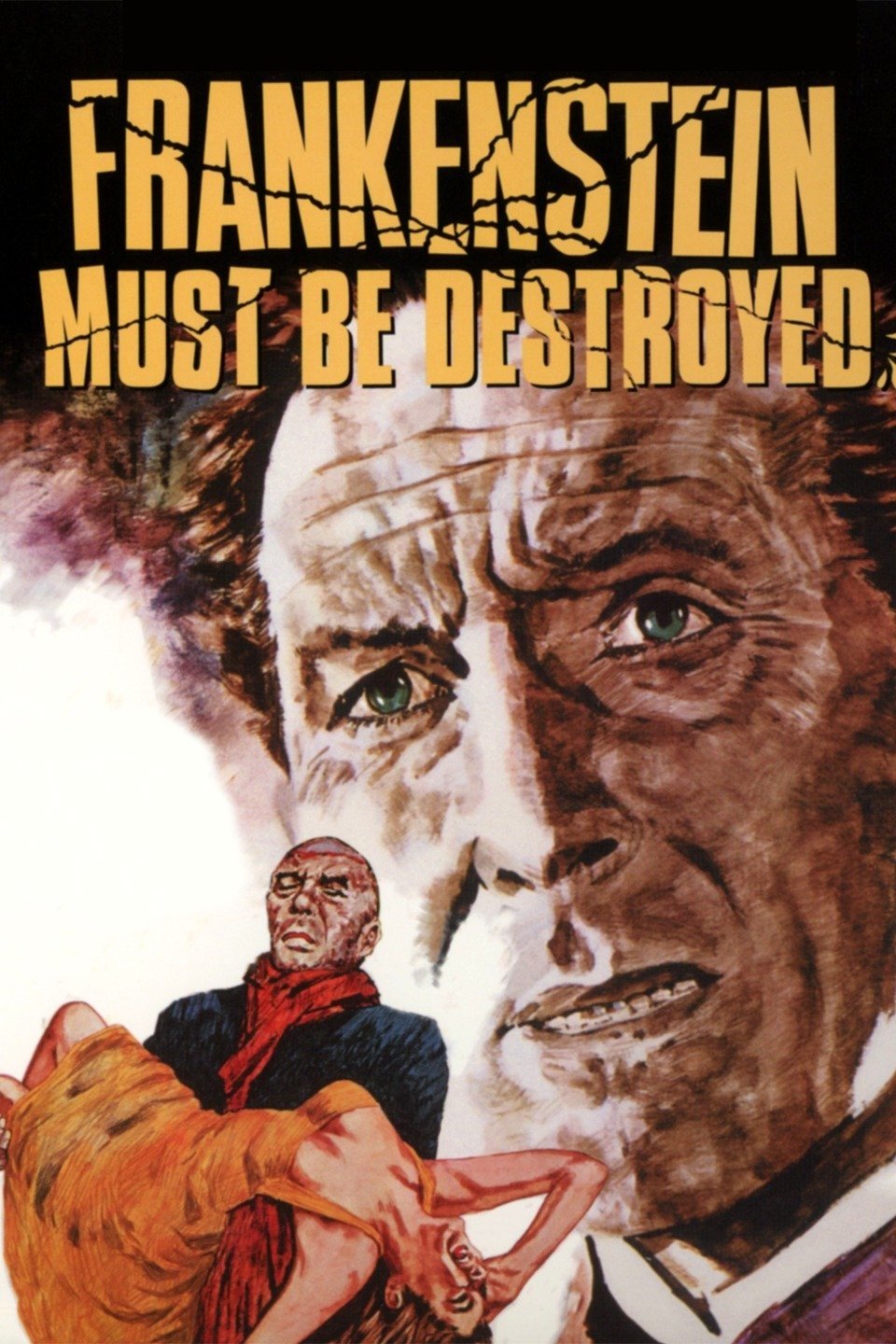
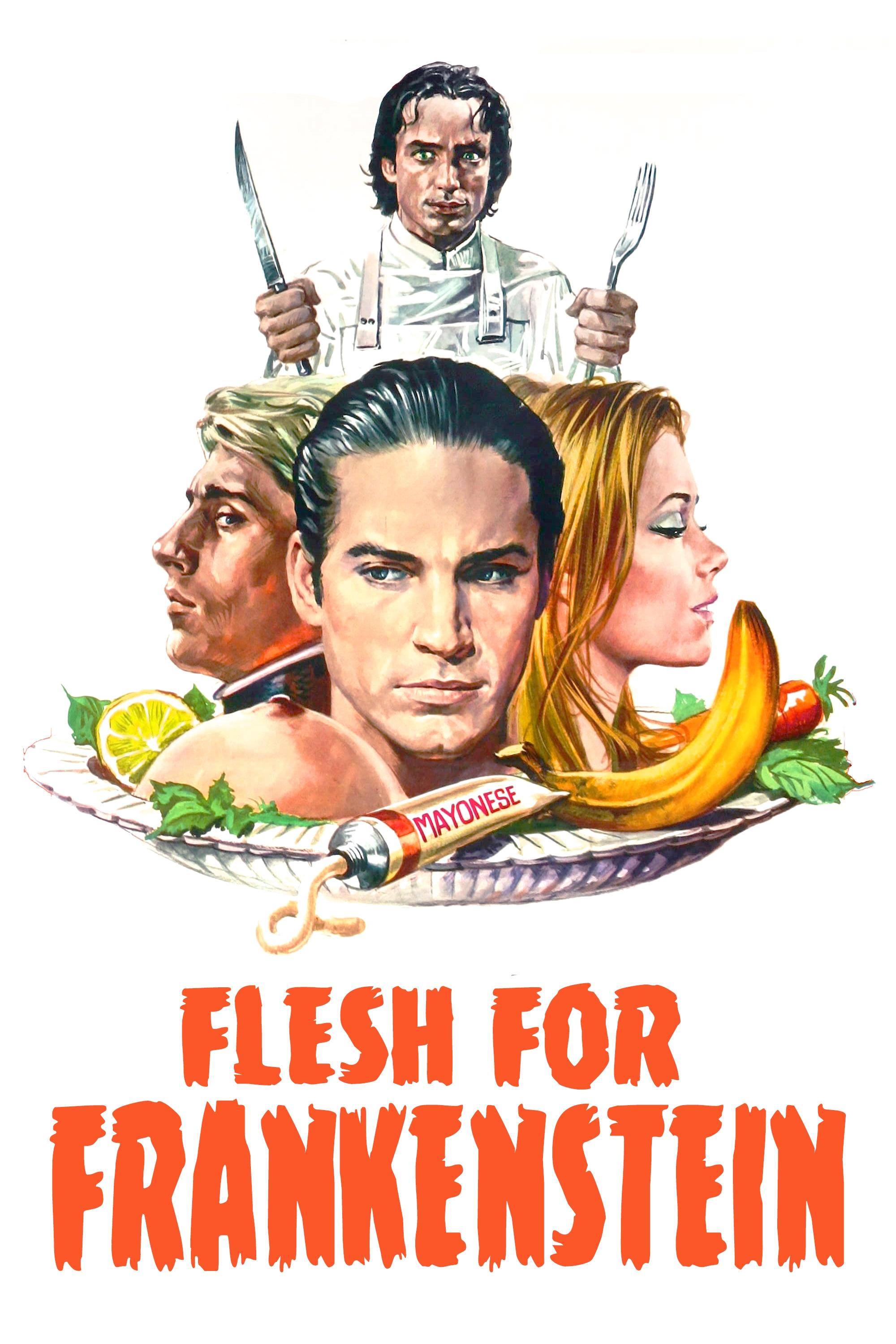
Of all the Universal monsters that came roaring back in the late fifties, none dominated the era like Frankenstein. The numbers are almost comic. In the eighteen-year window from 1957 to 1974 — from The Curse of Frankenstein through Frankenstein and the Monster from Hell — more than forty films released worldwide had “Frankenstein” in the title alone, and well over a hundred more featured the doctor, his monster, or one of his many imitators in a central role. The Universal Frankensteins played continuously on television. Hammer ran a Frankenstein cycle of seven pictures from 1957 through 1974, six of them starring Peter Cushing as the Baron (the seventh, 1970’s The Horror of Frankenstein, replaced him with Ralph Bates for a single experiment in re-casting). American International released I Was a Teenage Frankenstein in November of 1957, a month after Shock! debuted. Boris Karloff returned to the role in Frankenstein 1970 the following year. Andy Warhol produced Flesh for Frankenstein in 1973. Toho Studios in Japan built a kaiju movie around him: Frankenstein Conquers the World, 1965.
Which monster dominated, year by year
Creature features and mad-science films (mostly Frankenstein and reanimation pictures) ruled the 1950s. The 1970s belong to the vampire — 29 vampire films were released in 1973 alone, most of them direct Hammer Dracula sequels or European imitators.
Why Frankenstein? Partly availability — the character is public domain, Mary Shelley’s novel having entered it decades earlier — which meant any producer with a camera and a stitched-together makeup design could make a Frankenstein picture without paying Universal a cent. Partly versatility: Frankenstein is structurally the most flexible of the Universal monsters. Dracula needs a castle and an aristocrat. The Wolf Man needs a moon and a curse. Frankenstein just needs a little make-up. The rest is staging.
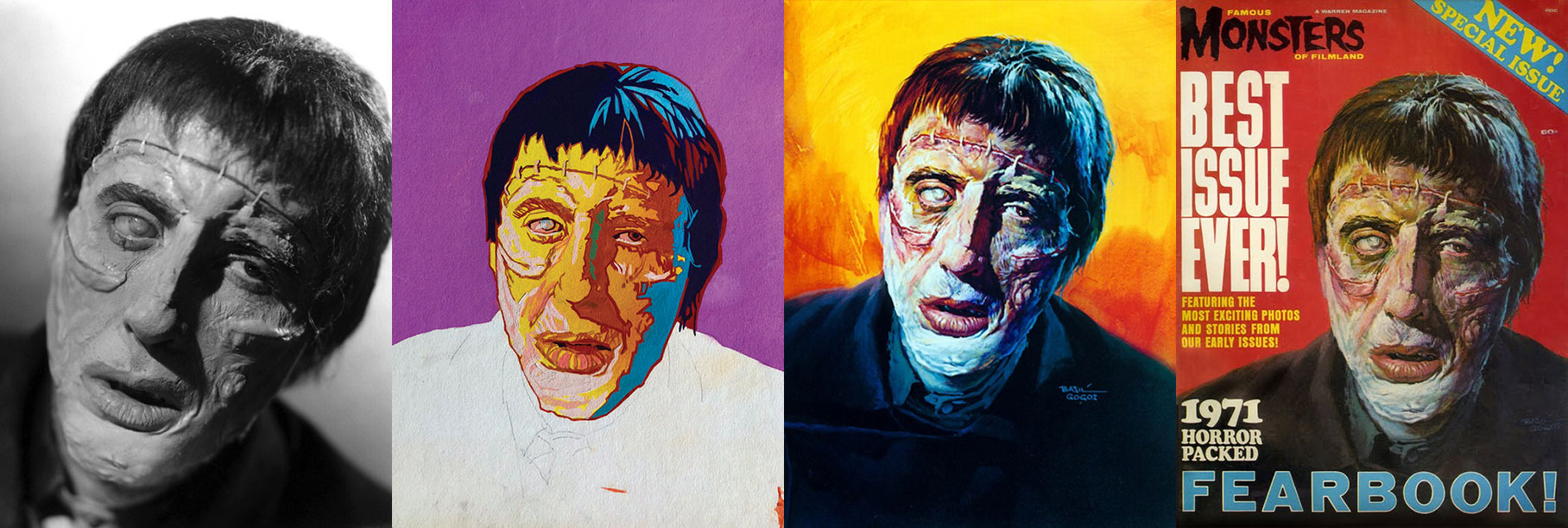
The Frankenstein cycle
The Curse of Frankenstein
The Revenge of Frankenstein
Frankenstein Conquers the World

Frankenstein Created Woman
Frankenstein Must Be Destroyed
Flesh for Frankenstein

Young Frankenstein
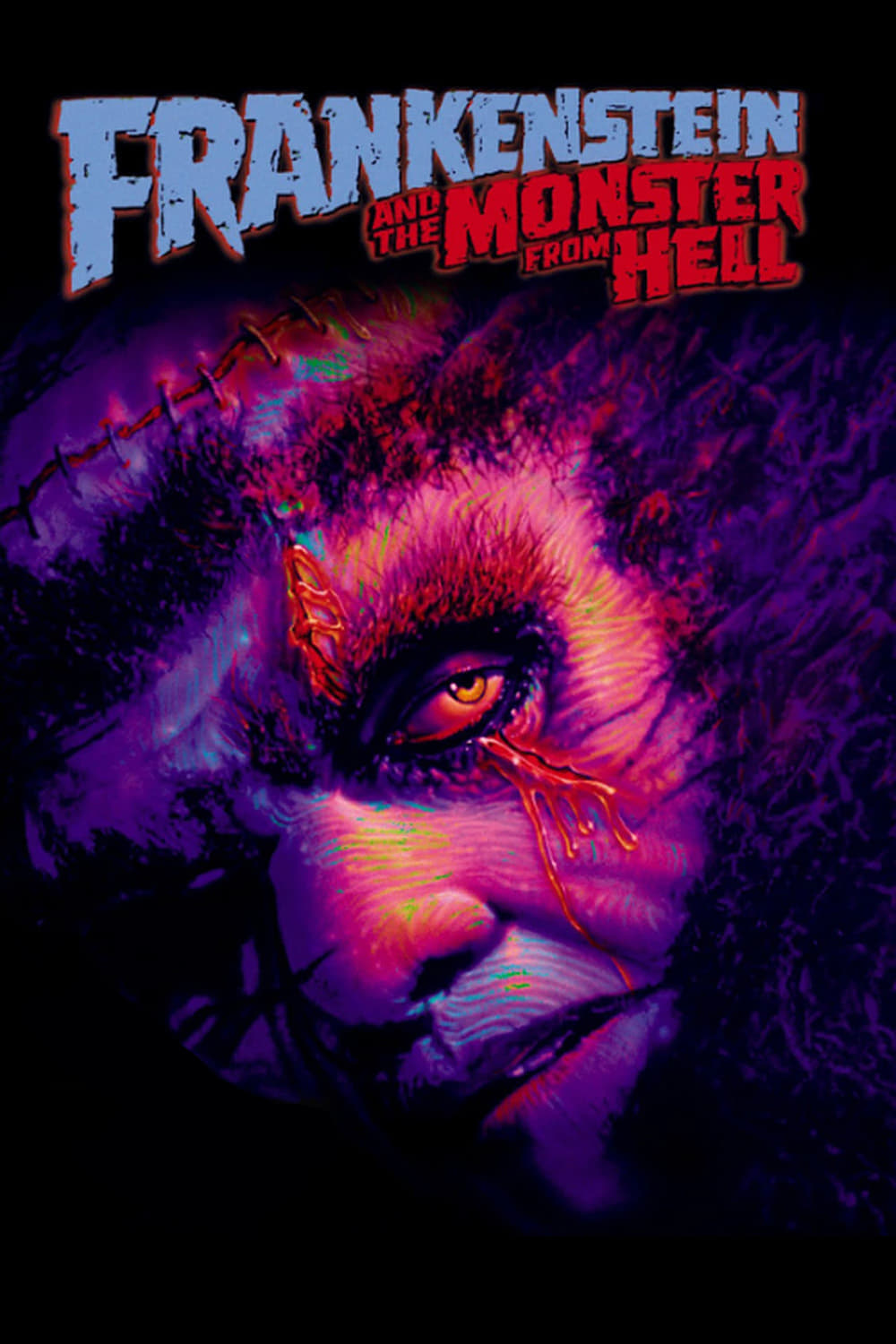
Frankenstein and the Monster from Hell
Eighteen years of Frankenstein films, from the Hammer launch through the Andy Warhol coda and Mel Brooks's loving parody. Most are tagged Mad Science in our taxonomy; all are unmistakably about the same story.
Gogos picks up the torch
Among the people watching all of this happen was a publisher named James Warren and a sci-fi superfan named Forrest J. Ackerman. Warren ran a small Philadelphia publishing house that traded in mens’ magazines and pulp adventure. Ackerman, a former literary agent who had helped popularize the term sci-fi, had been collecting horror movie memorabilia since childhood. In February 1958, four months into the Shock! rollout, the two of them launched a magazine to capitalize on what they could plainly see was happening on American television: a generation of kids meeting the Universal monsters for the first time and falling in love.
They called it Famous Monsters of Filmland. They aimed it at pre-adolescents. The first issue was conceived as a one-shot experiment; demand was so overwhelming it required a second printing. By the time Gogos’s agent brought a sample painting to Warren’s office in 1960, the magazine had been published every two months for two years and had built one of the most devoted readerships in American magazine history. What it didn’t yet have was a visual identity. The early issues had used photo covers — mostly publisher James Warren himself in various rubber masks — with the stiff feel of pulp magazines. They were perfectly fine, but not iconic.
Gogos changed that with one painting. Famous Monsters #9, published in November 1960, featured his portrait of Vincent Price as Roderick Usher from Roger Corman’s House of Usher. The full color painting rendered Price’s face in colors that did not exist in the film — burning oranges, arsenic greens, lit from a direction the Corman cinematographer never used. It looked, to an audience used to stiff publicity stills, like a hallucination. Warren loved it. Readers responded in kind.
The films lit the fuse. The TV deal lit the room. Gogos painted the smoke into something a kid could pin to his bedroom wall.
From that issue forward, painted covers became the magazine’s signature. Most of the best ones were Gogos’s. He stayed with the magazine, on and off, until its 1983 closure. By the time he finished he had painted roughly fifty covers, and along the way had essentially invented the visual grammar of postwar monster fandom. The era he painted into was not, by the numbers, the renaissance itself. The renaissance had already happened. He was painting its afterglow — and turning it into something that would outlast everyone, including himself.
What Gogos actually did
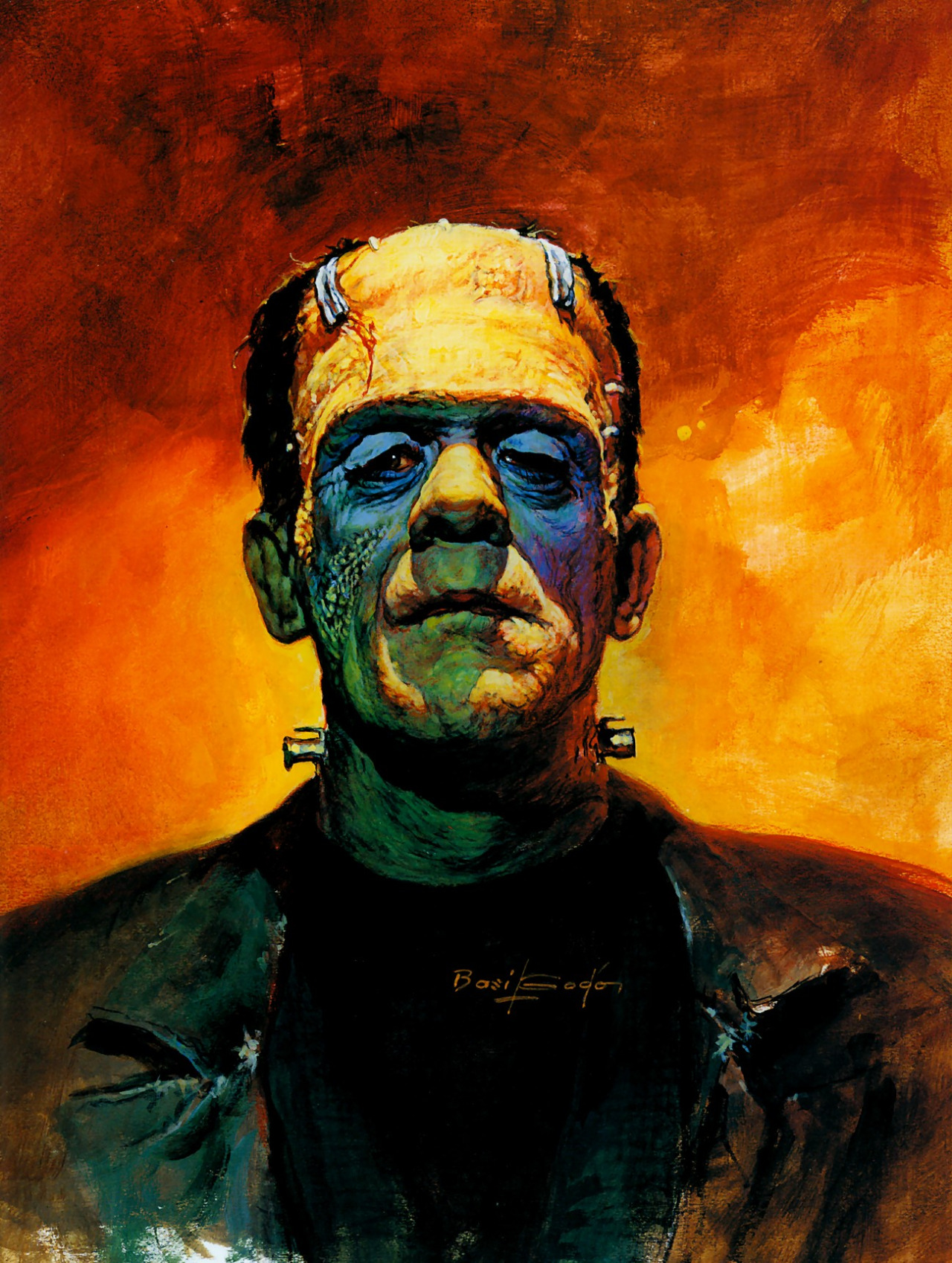
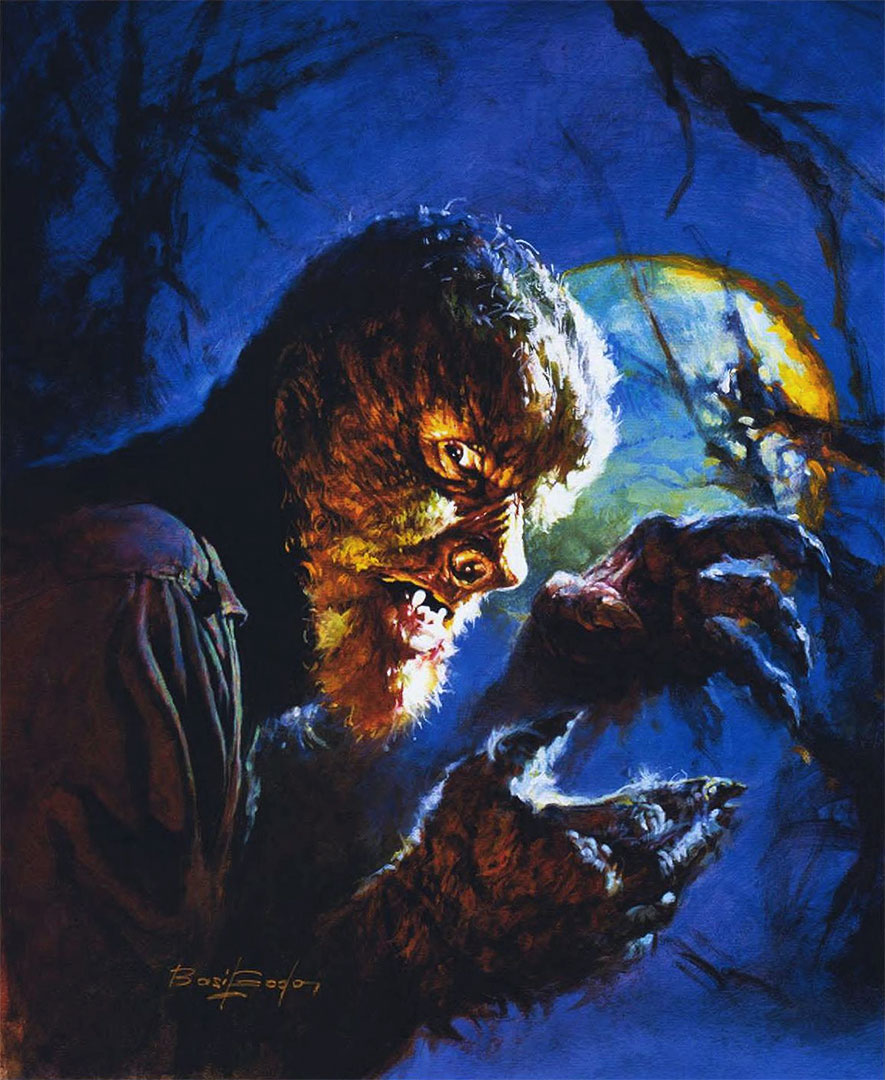
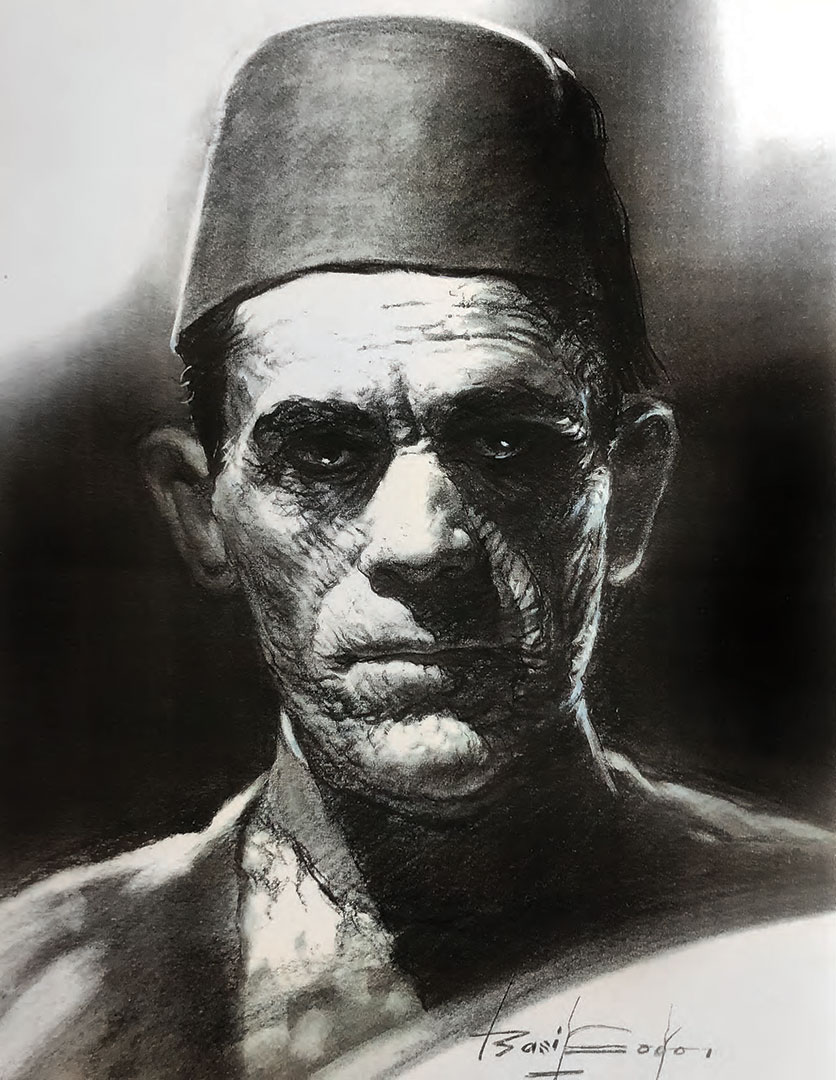
There’s a passage in Gogos’s own telling of his first Famous Monsters commission where he describes staring at the black-and-white reference photo of Vincent Price until “it started to change to color, pure color.” The photograph, like every publicity still from the classical era, had been lit for grayscale contrast. So Gogos invented the color. Then he painted it onto the canvas as if the color had always been there.
That act — inventing a color palette that didn’t exist and applying it to a face the audience already knew — is what gives Gogos’s work its uncanny power. He wasn’t documenting monsters. He wasn’t even really illustrating them. He was producing a second, parallel canon of monster imagery that felt more real than the films themselves. A Gogos portrait of Karloff’s Frankenstein has arsenic greens and gel-lit purples that no Universal lighting tech ever set up. But if you grew up with Gogos, you remember the monster in those colors.
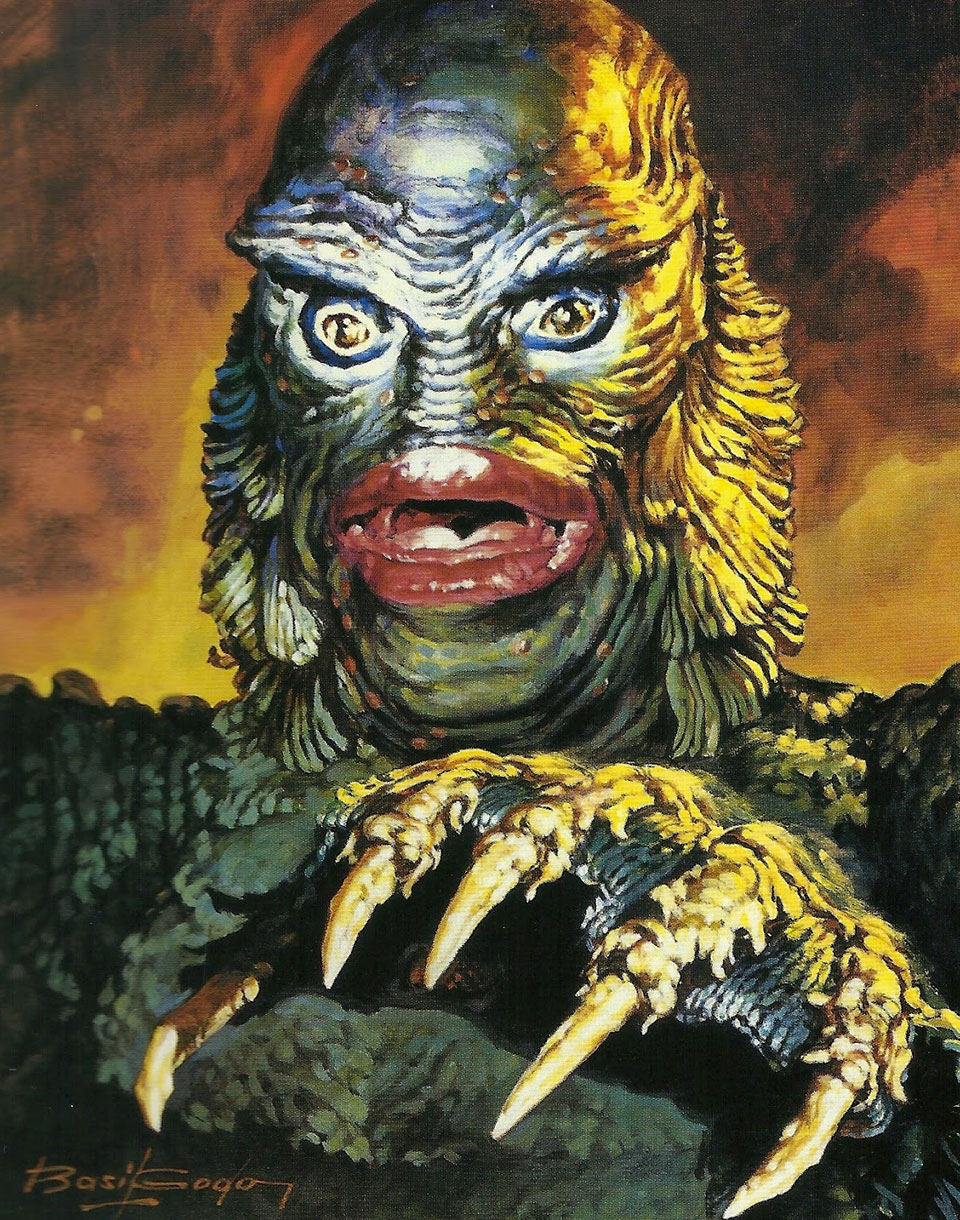
Monsters on the small screen
By the early 1960s, the boom had spilled out of theaters and television syndication and into nearly every other corner of American consumer culture. In 1961, the Aurora Plastics Corporation released a Frankenstein model kit — the first in what would become an entire line of glow-in-the-dark Universal Monster assembly toys. By the mid-1960s, the Aurora kits had sold in the millions. In 1962, Bobby “Boris” Pickett released Monster Mash, a novelty single explicitly riffing on the Karloff-Lugosi voice tradition. It went to number one on the Billboard Hot 100. Monster cereals, monster lunchboxes, monster coloring books, monster trading cards: a generation of American children spent their disposable income on a curated nostalgia for a film cycle they had never seen in theaters.
But the most surreal evidence of how thoroughly the monsters had been domesticated came in the fall of 1964, when two competing television networks debuted family sitcoms built entirely around monster archetypes — in the same month, against each other. The Munsters launched on CBS on September 24, 1964, with Fred Gwynne as a Frankenstein-styled patriarch, Yvonne De Carlo as a vampiric matriarch, and Al Lewis as Grandpa Dracula. The Addams Family launched on ABC on September 18, 1964 — six days earlier — with Carolyn Jones, John Astin, and a ghoulish ensemble adapted from Charles Addams’s New Yorker cartoons. Both ran two seasons. Both became permanent fixtures of American syndication. The Universal monsters had become, within seven years of Shock!, so familiar to American audiences that they were a sitcom premise.
That is the cultural altitude Gogos was painting at by the mid-1960s. By the time he was on his thirteenth Famous Monsters cover in 1963, there was no living American child who could not identify Frankenstein from a single brushstroke. The monsters had become shorthand. And Gogos was the artist most responsible for what that shorthand looked like.
The vampire decade
The second half of the Gogos era — roughly 1969 through 1974, when Gogos returned to Famous Monsters full-time after a brief sabbatical — tells a different story. Total monster output stayed strong but its composition changed dramatically. Frankenstein films remained steady. But creature features, which had made up the largest single block of classic monster output in the 1950s, faded. In their place came vampires — specifically, an unrelenting wave of Hammer Draculas, European imitators, and a Blaxploitation blood suckers.
The year 1973 saw twenty-nine vampire film releases worldwide. Between Hammer’s Satanic Rites of Dracula, the Blaxploitation cycle ignited by Blacula the prior year, Paul Naschy’s Spanish horror cycle, the Italian continuation of the giallo cycle, and a steady stream of Mexican and Filipino vampire imports, the figure of Dracula and his imitators occupied more screen time share than any other horror archetype in any other year before or since. Gogos painted the era’s covers more or less continuously. The final wave of his most prolific period as an illustrator coincides almost exactly with the vampire peak.
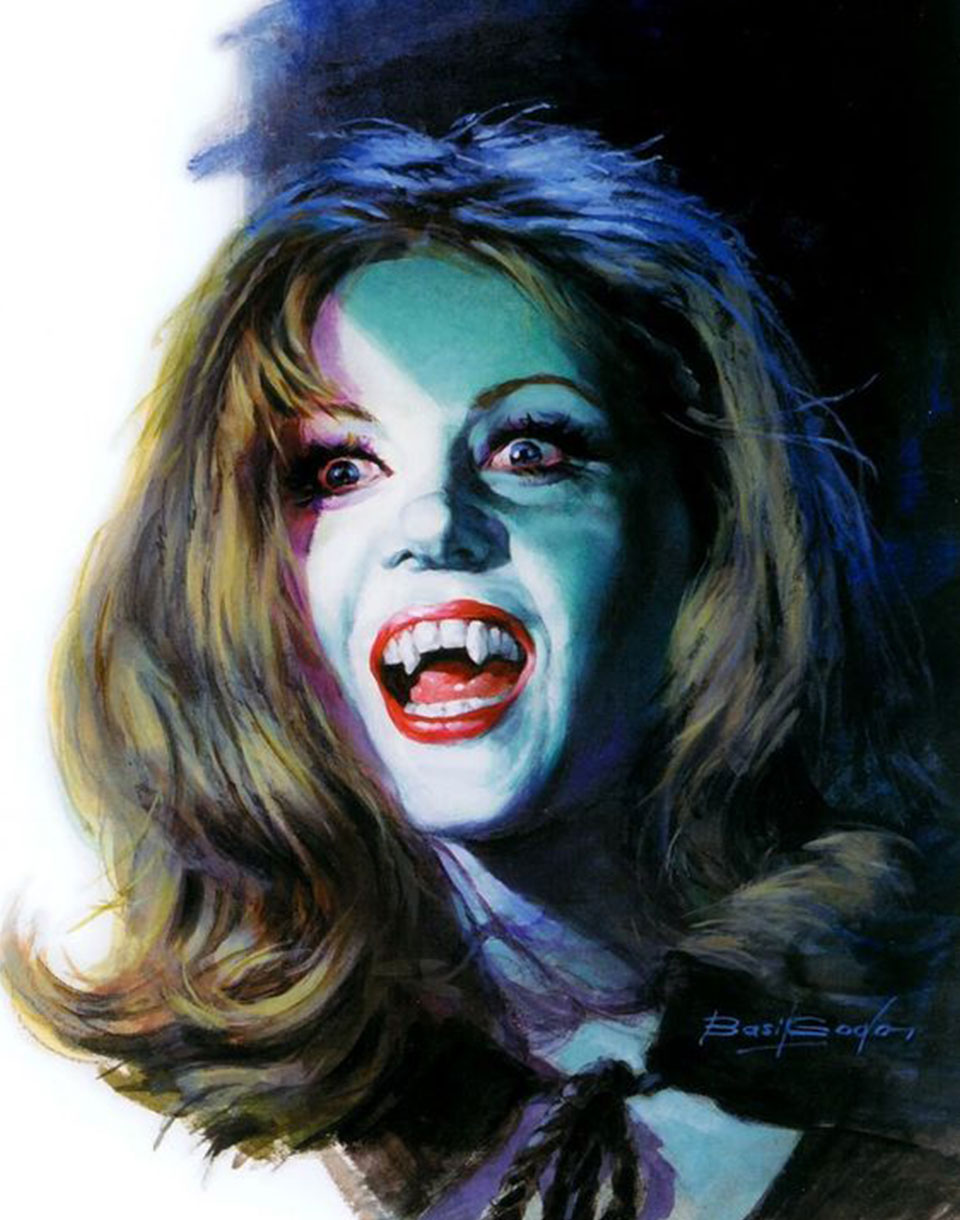
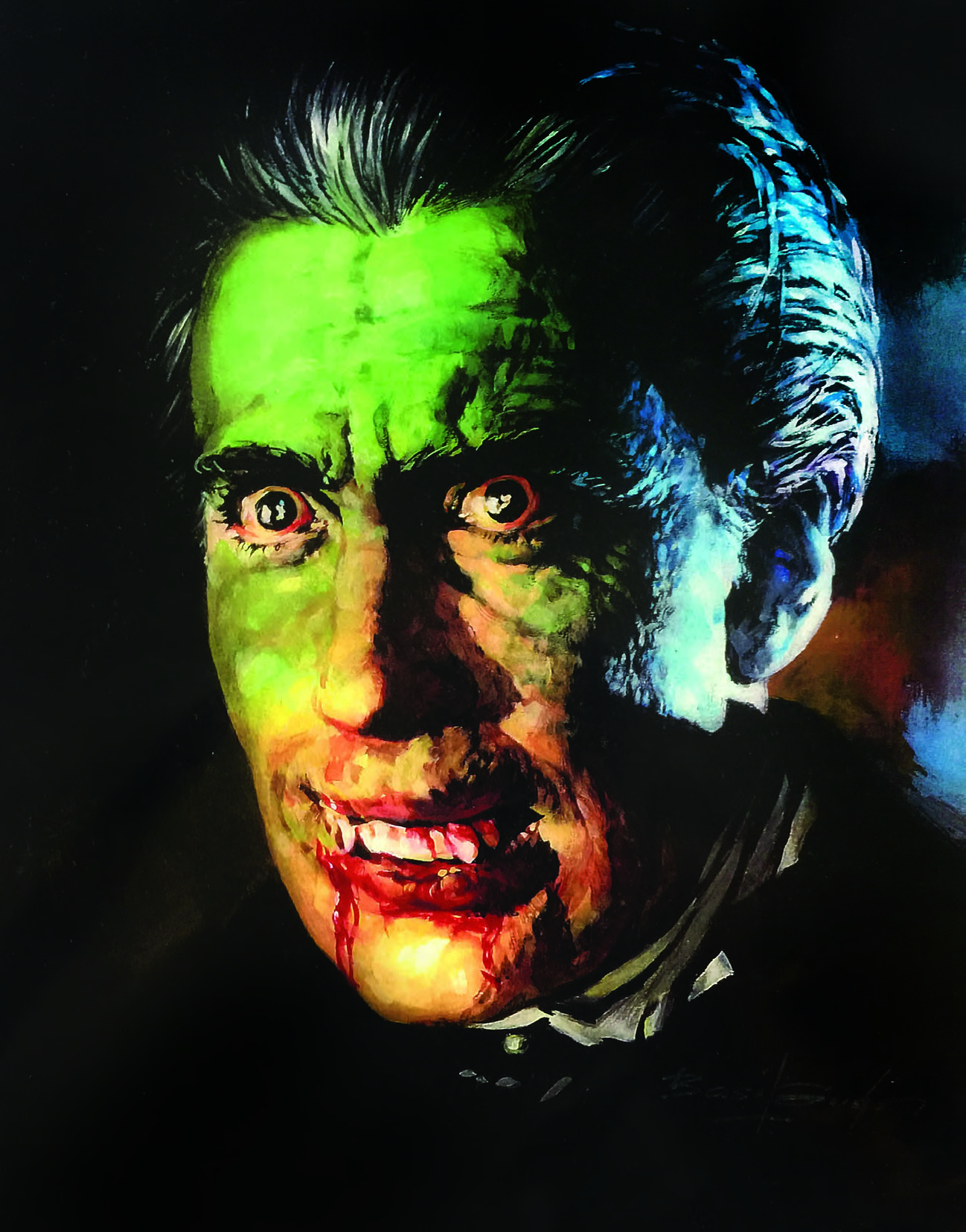
The vampire decade
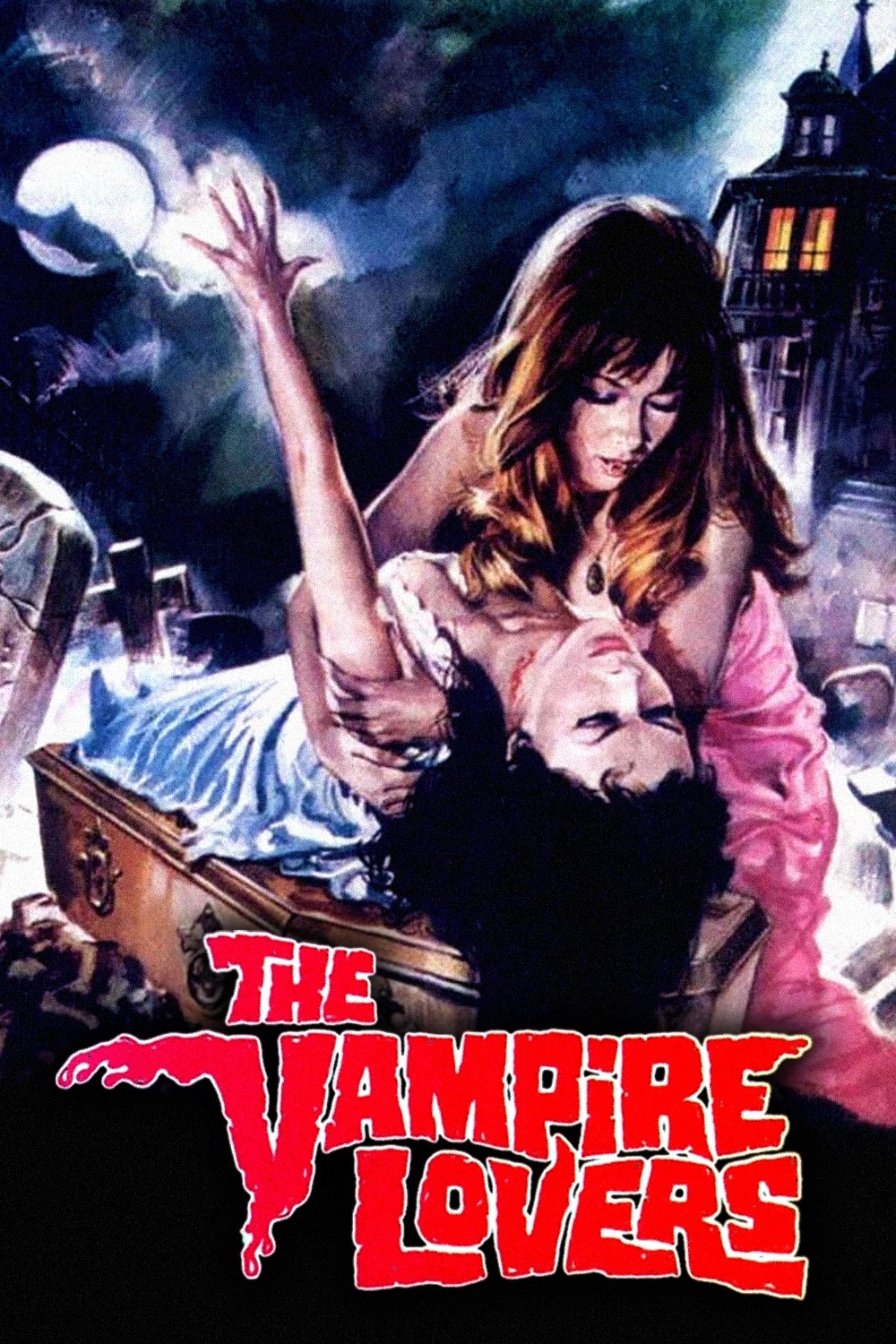
The Vampire Lovers

Twins of Evil
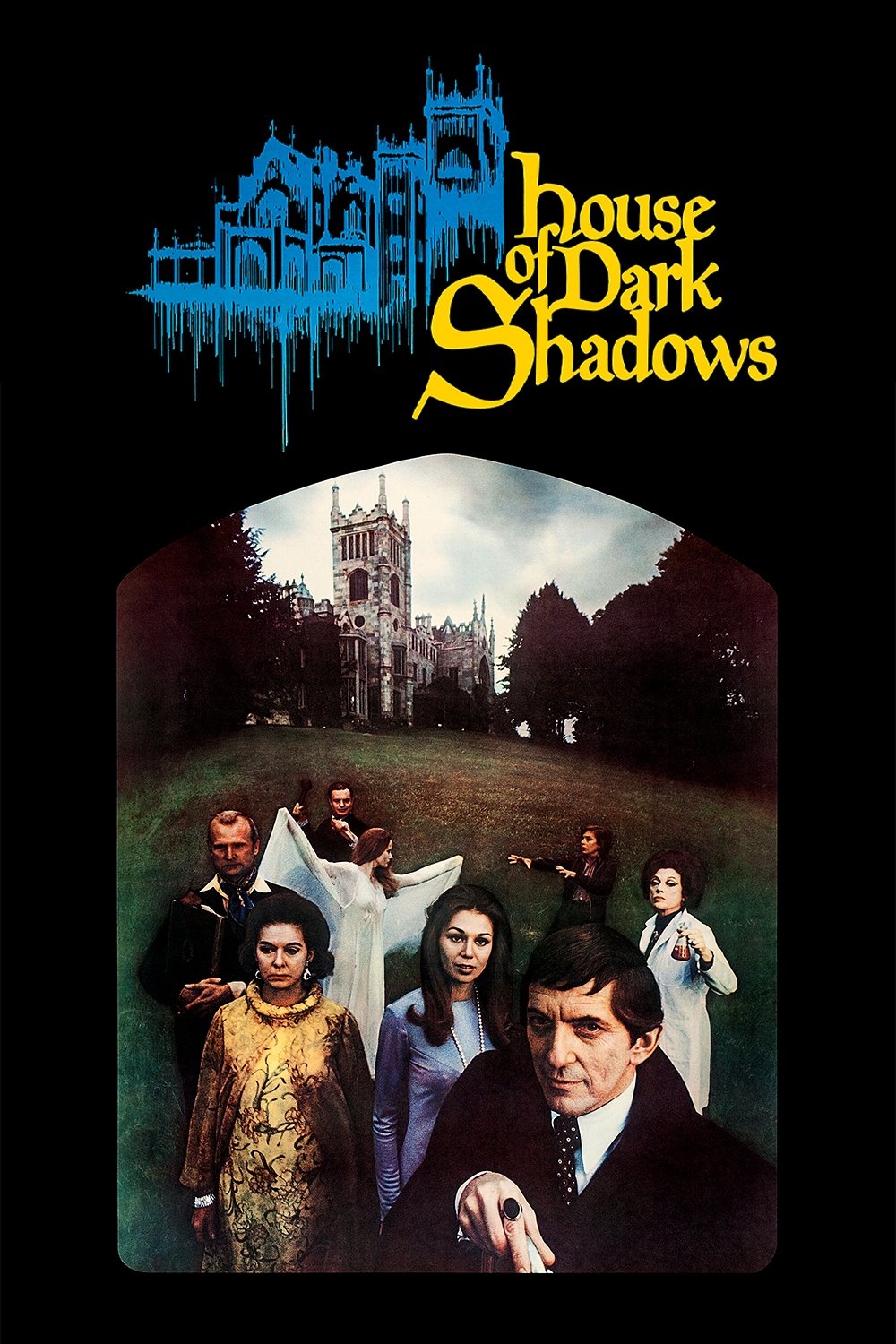
House of Dark Shadows

Daughters of Darkness
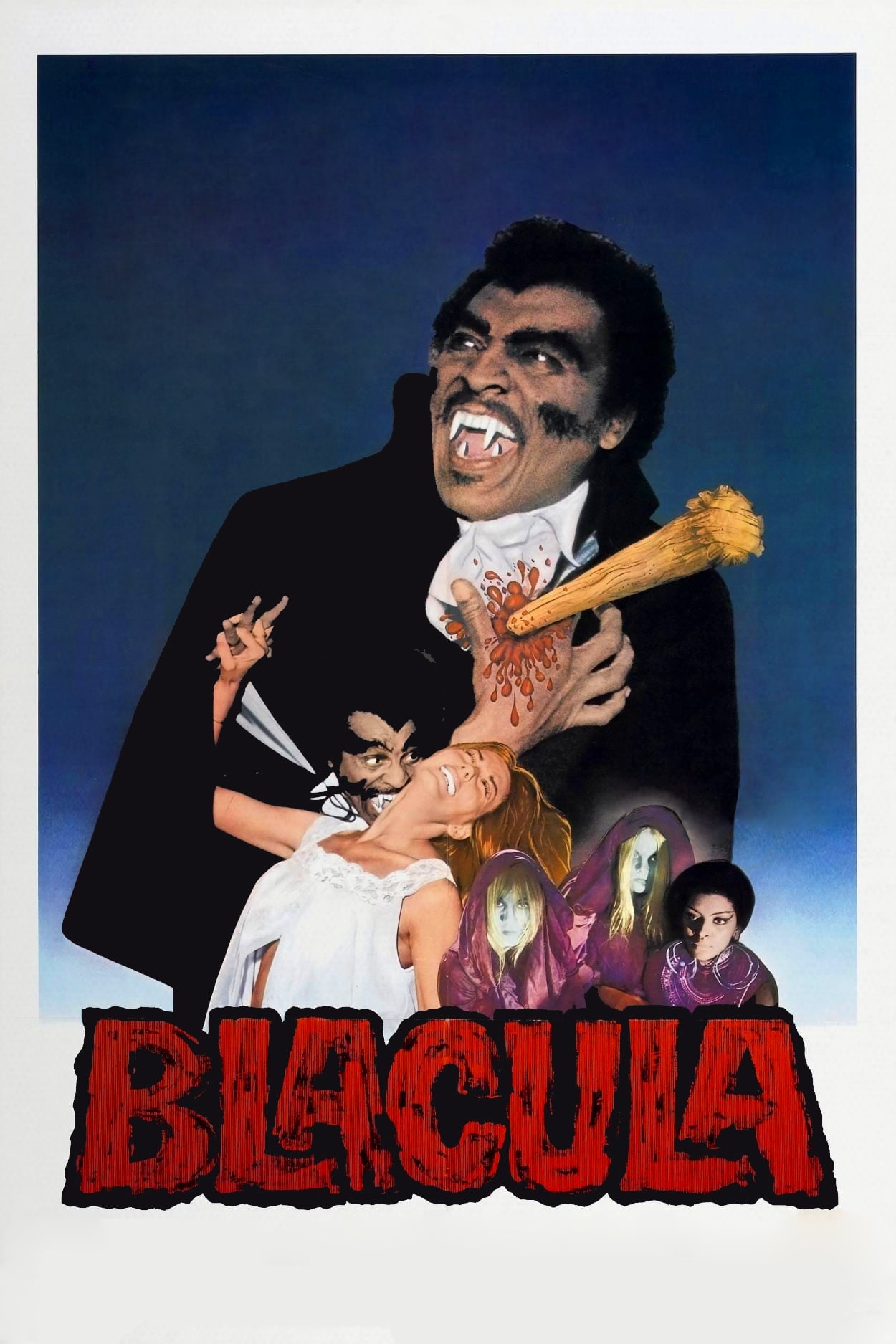
Blacula
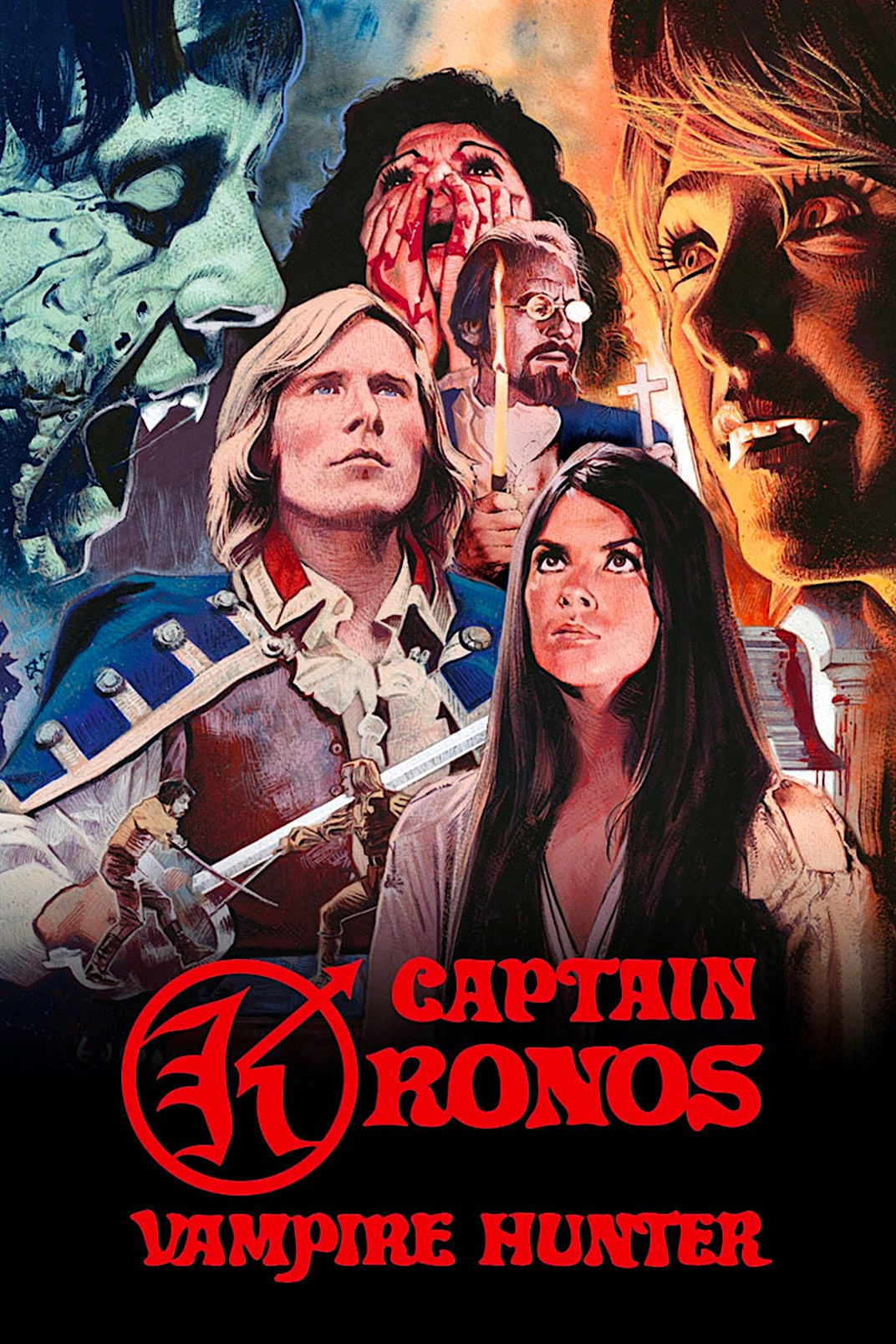
Captain Kronos: Vampire Hunter
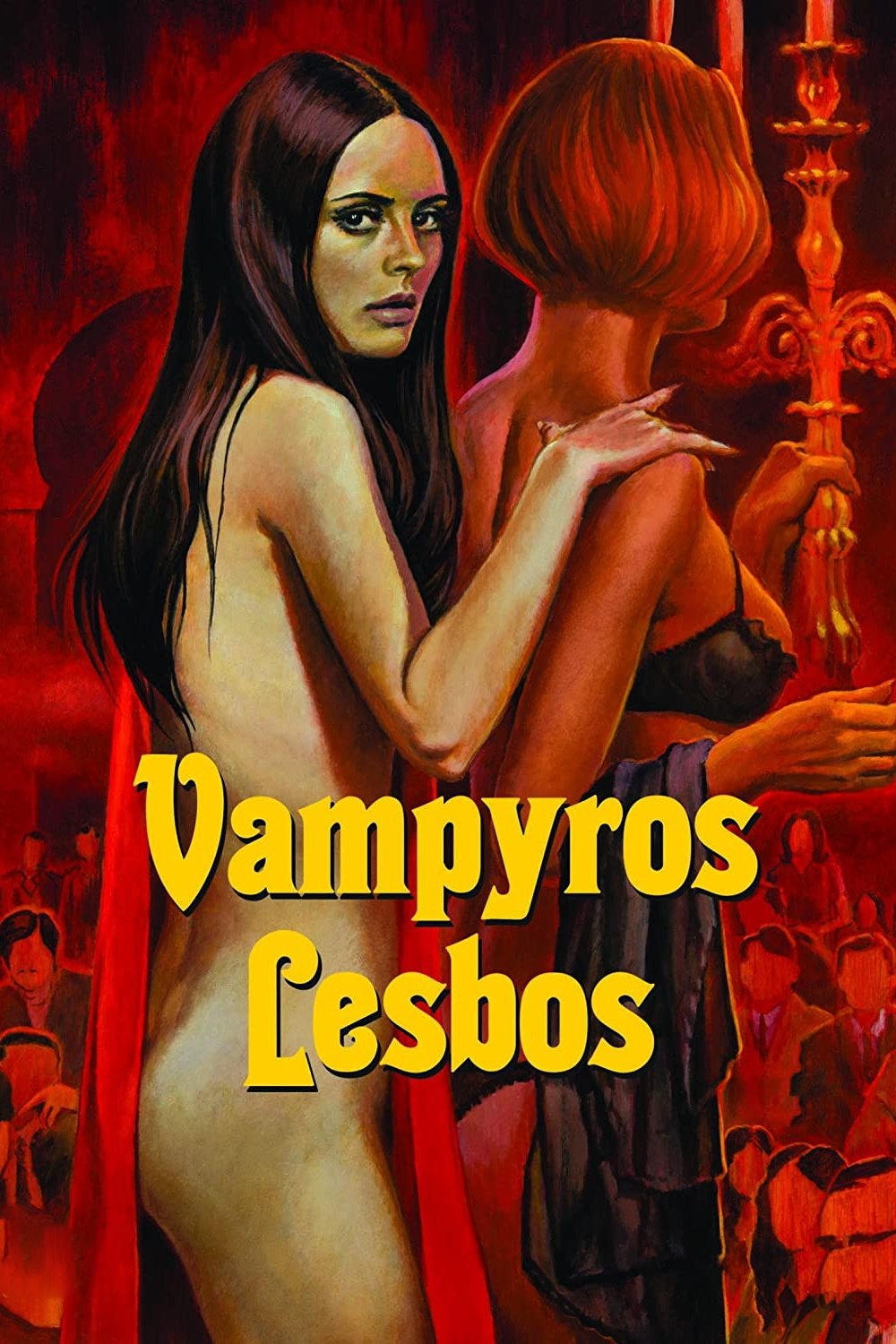
Vampyros Lesbos
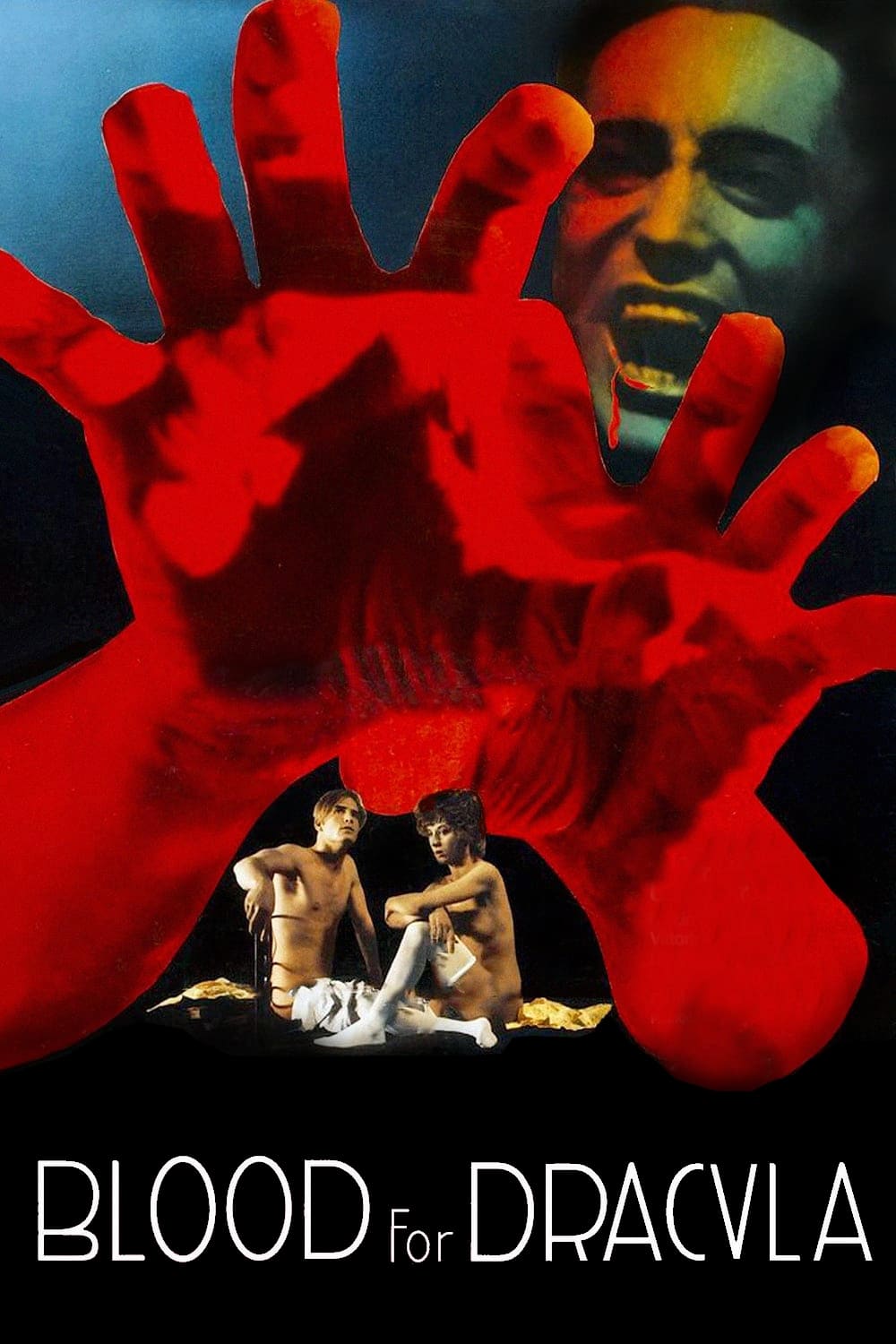
Blood for Dracula
A thin slice of the 1970–1974 vampire wave: Hammer’s late Dracula cycle, the Karnstein trilogy, the Blaxploitation cycle, and the European art-horror underground.
Then, in 1978, John Carpenter released Halloween, and horror’s center of gravity began shifting from the supernatural to the human. By 1980, classic monster films had fallen to about sixteen percent of horror output — roughly the rate of the early 1950s, before any of this started. Famous Monsters would limp on for three more years, closing in 1983.
The painting outlasts the film
Here is the question the chronology poses: if the Universal monsters really dominated American film output for just three years in the late fifties, and if classic monster pictures never again reached that ceiling, why do we still think of the 1960s as the decade of the monster movie? Why does a casual horror fan, asked to picture Dracula or Frankenstein, conjure an image that looks suspiciously like a Gogos painting and not like any frame from any actual film?
The answer is that cultural memory doesn’t track production volume. It tracks icons. And icons don’t come from movies alone — they come from the printed ephemera that moves alongside movies. Posters. Magazine covers. Trading cards. Coloring books. The visual debris of a pop-cultural moment, the stuff you can hold in your hands and pin to your wall.
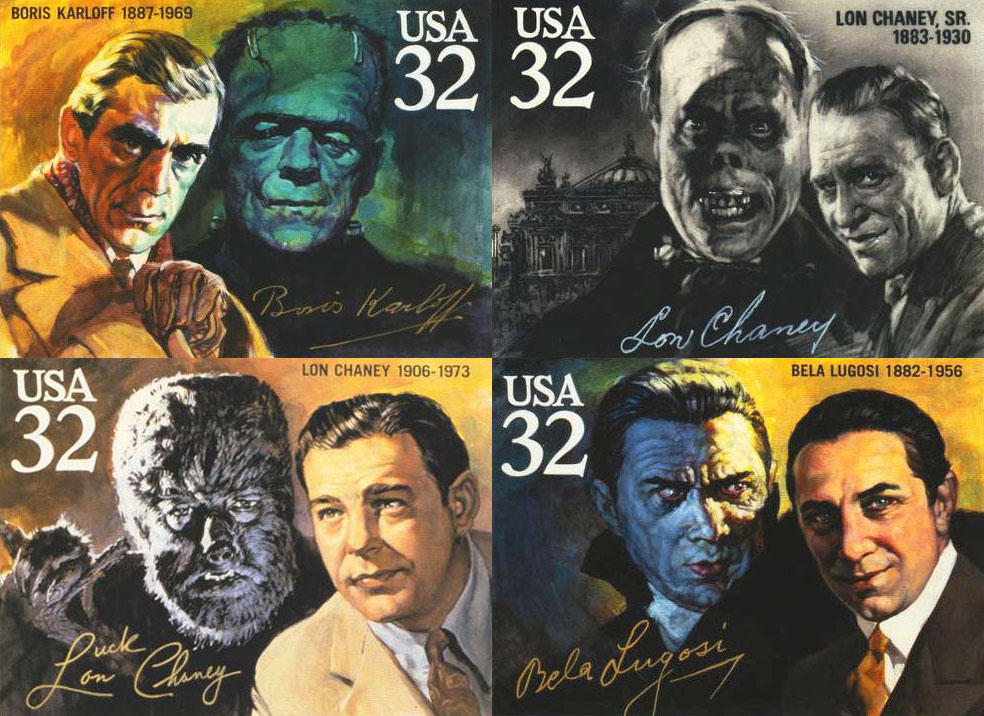
Gogos painted roughly fifty covers for Famous Monsters of Filmland between 1960 and 1983. In that same span, something like six hundred and fifty classic monster films were released. The ratio is telling. Most of those films are unwatched today. Many of them never had a second release, never made it to home video, never got a Criterion rescue. The films faded. The paintings did not. In 1995, when the families of Karloff, Lugosi, and Chaney petitioned the U.S. Postal Service for a set of commemorative stamps, the Postal Service commissioned new portraits from Thomas Blackshear based explicitly on Gogos’s style — rejecting Gogos himself but unable to escape what he had made.
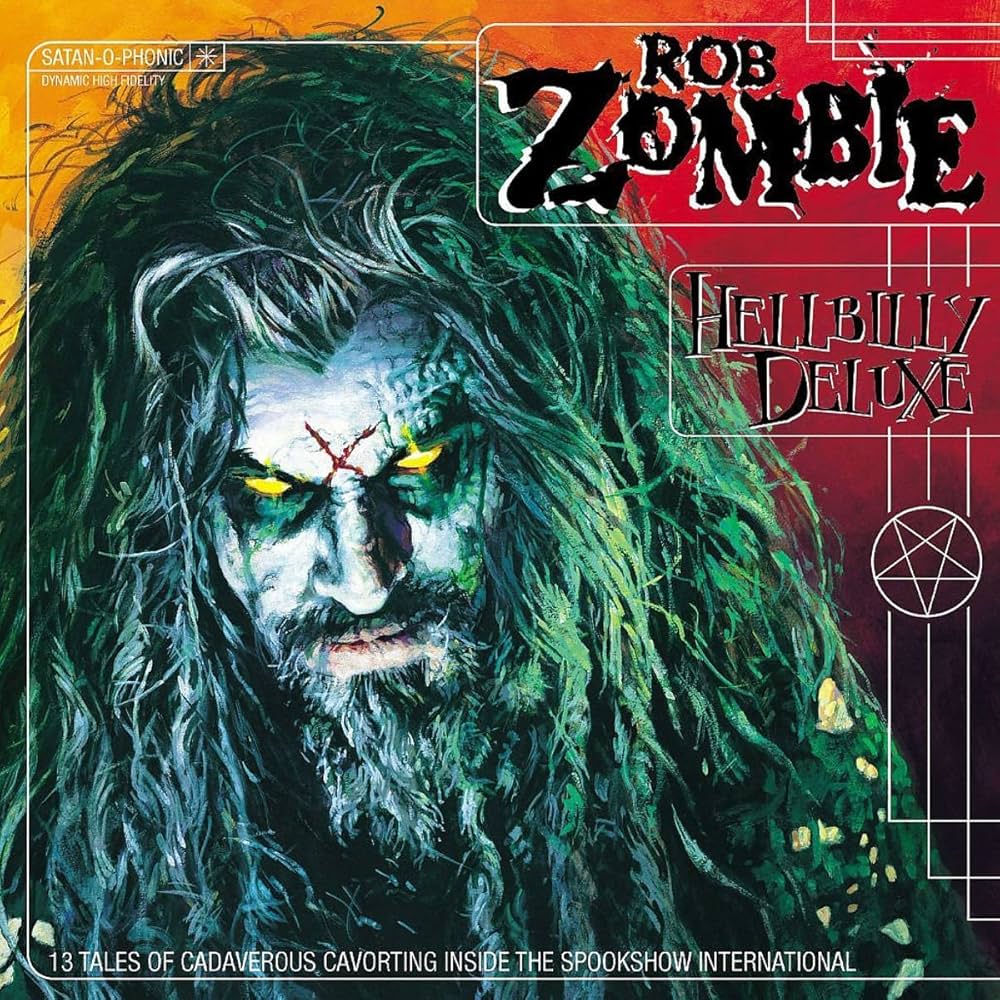
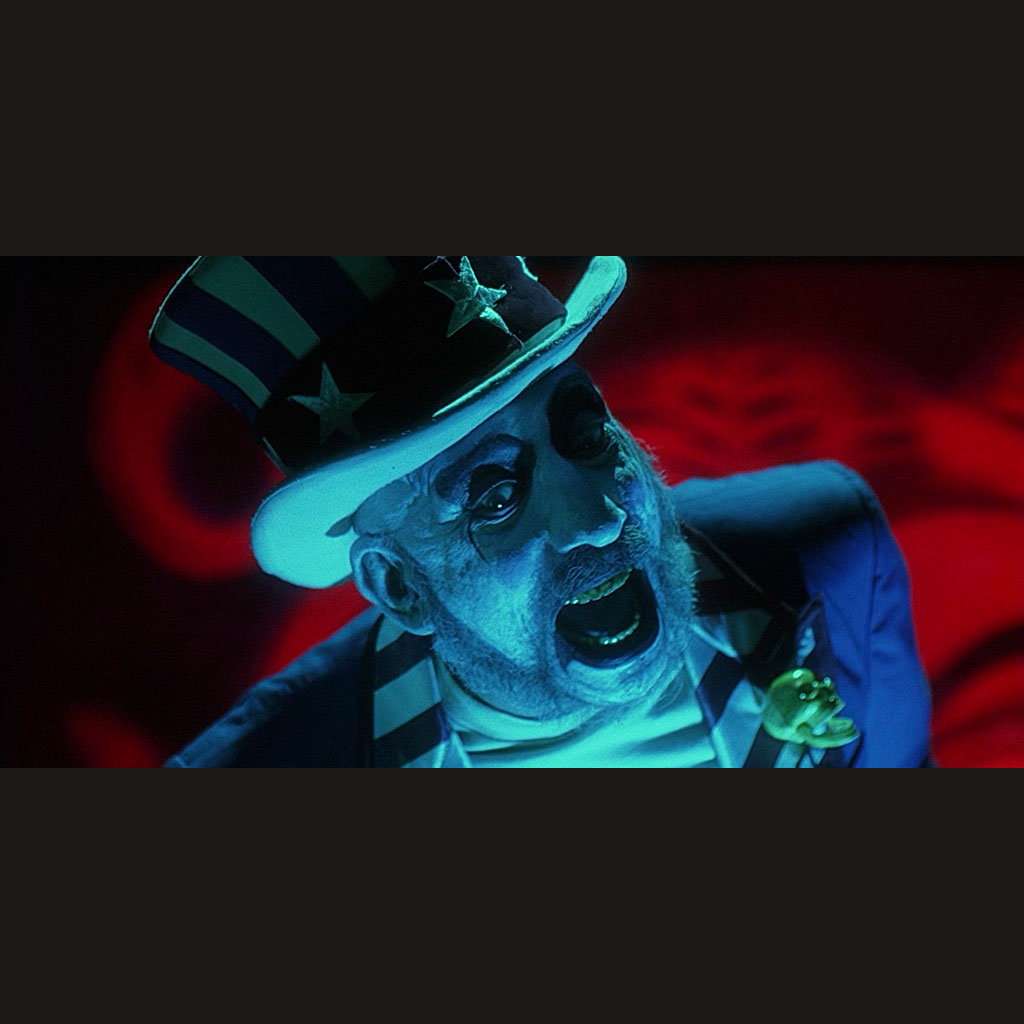
In 1998, Rob Zombie commissioned Gogos to paint the cover of Hellbilly Deluxe. The album went double platinum in the United States. An entire generation of metal kids who would never see a Universal monster film got their first glimpse of the monsters through a Gogos portrait on a record sleeve. In 2003, Zombie released House of 1,000 Corpses, a film whose color palette is essentially a series of Gogos covers animated into motion.
The arc the data describes is sharp and clean. The Universal Monsters renaissance was real and brief and over by 1960. The cultural fandom that came out of it lasted twenty-five years. Screen Gems lit the fuse with a television deal. Hammer fed the fire with a string of color gothics. And Basil Gogos, arriving at the moment the film cycle had crested, painted the iconography that would outlast all of it — colors too saturated, shadows too deep, stares too loaded to belong to any actual film.
Basil Gogos died in 2017, eighty-eight years old, an artist whose fine-art work had been bought by a fraction of the people who owned his horror covers. If you grew up between 1962 and 1983, and you passed by any drugstore spinner rack in America, you met him without knowing his name. And if, right now, you can close your eyes and picture Christopher Lee’s Dracula more vividly than you can picture anyone you passed on the street this morning — the colors lurid, the lighting impossible, the stare both menacing and somehow sad — then Gogos did his job.
The renaissance happened. The memory of it is what he painted.
Continue exploring
- Browse the Vampire subgenre2,000+ vampire films from Nosferatu to now.
- Explore the 1960sThe full decade retrospective, including the Hammer gothic cycle.
- Browse the Creature Feature subgenreThe dominant monster type of the 1950s, from Frankenstein to the Gill-Man.
- Search Hammer Film ProductionsEvery Hammer film in the database.