🇧🇷Brazil
One man in a top hat and cape invented Brazilian horror. Six decades later, a new generation is using the genre to dissect the country's deepest social fractures.
History
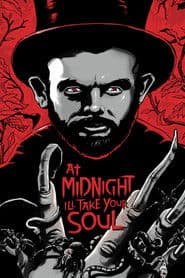
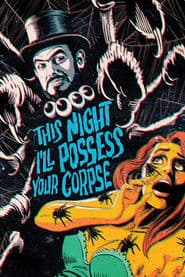
Brazilian horror cinema begins with one man: José Mojica Marins, who created the character Zé do Caixão — Coffin Joe — a sadistic, atheist gravedigger in a top hat and cape, obsessed with finding the perfect woman to bear his child. Unable to find anyone willing to play the role, Marins cast himself. "At Midnight I'll Take Your Soul" (1964) was the first Brazilian horror film, mixing crude production values with startling blasphemy and brutality that scandalized conservative audiences. Its sequel "This Night I Will Possess Your Corpse" (1967) pushed further, and Marins continued through the 1970s with increasingly censored works including "Awakening of the Beast" (1970). Working entirely outside the intellectual Cinema Novo movement that dominated Brazilian art cinema at the time, Marins created a uniquely Brazilian Gothic sensibility rooted in Catholic guilt, sexual transgression, and philosophical nihilism — though his films would not reach international audiences until video distribution in the early 1990s.
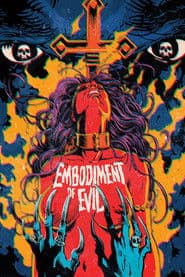
Brazilian horror largely went dormant after Marins' productive period, with sporadic exploitation and low-budget production through the 1980s and 1990s that left little lasting mark. The revival began with Marins himself: "Embodiment of Evil" (2008), the long-awaited third film in the Coffin Joe trilogy, arrived nearly four decades after the second and helped spark what has been called a second golden age of Brazilian horror, driven largely by first-time directors. Specialized genre festivals — Fantaspoa, CineFantasy, RioFan — emerged to support a growing community of horror filmmakers working on modest budgets but with increasing ambition.
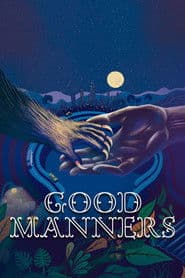
Modern Brazilian horror has found international recognition through films that use the supernatural to examine the country's deep social fractures. "Good Manners" (2017), a werewolf story set across São Paulo's class divide, combined genre filmmaking with pointed commentary on race and inequality. "The Nightshifter" (2018), about a morgue attendant who can communicate with the dead, drew on the country's syncretic spiritual traditions. These contemporary works share a willingness to ground horror in recognizably Brazilian settings and anxieties — economic instability, urban overcrowding, the legacy of colonialism — while demonstrating that a national horror cinema need not produce in volume to produce work of genuine distinction.
Essential Films
Statistics
Top Subgenres
Popularity by Decade
Percentage of all horror films in each decade classified as Brazil horror.