🇳🇿New Zealand
Peter Jackson's splatstick revolution proved that boundless enthusiasm and zero budget could produce some of horror's most inventive — and bloodiest — entertainment.
History
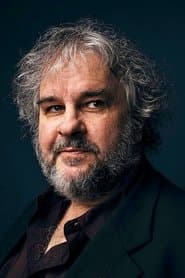
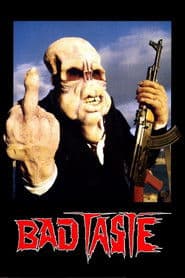
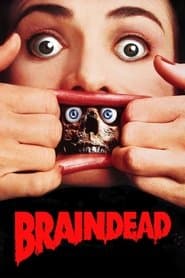
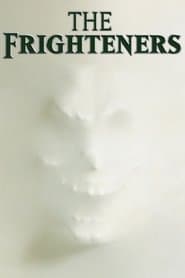
New Zealand horror cinema is inseparable from the early career of Peter Jackson, who transformed amateur enthusiasm and minuscule budgets into some of the genre's most inventive work. "Bad Taste" (1987), a comedy-horror alien invasion film begun as a weekend project with friends, became a cult favorite and announced a filmmaker with boundless energy and zero squeamishness. "Braindead" (1992) — released as "Dead Alive" in the United States — pushed zombie-comedy to delirious extremes, combining slapstick humor with gore so excessive it circled back around to joy. Widely regarded as one of the most entertaining horror films ever made, it demonstrated that technical ingenuity could substitute for Hollywood budgets. "The Frighteners" (1996), Jackson's ghost story with Jeffrey Combs and Michael J. Fox, marked his transition toward studio filmmaking and away from horror — but the genre sensibility he developed in New Zealand would inform even his largest productions.
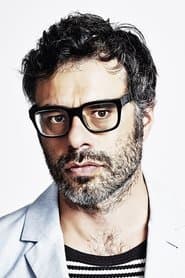
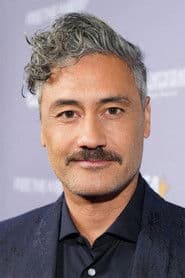
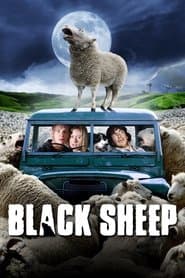
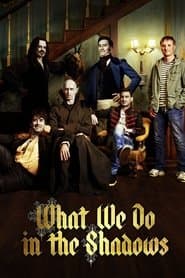
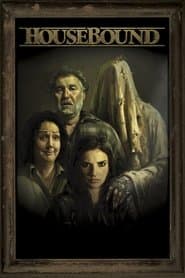
Jackson's departure for Middle-earth left New Zealand horror without its defining figure, but a new generation filled the gap with work that shared his irreverent spirit. Jonathan King's "Black Sheep" (2006), about genetically modified sheep terrorizing a New Zealand farm, applied the Bad Taste template — rural setting, practical creature effects, comedy-horror tone — to the country's most recognizable cultural symbol. Gerard Johnstone's "Housebound" (2014), a haunted-house comedy-thriller, earned international festival acclaim. Most significantly, Jemaine Clement and Taika Waititi's "What We Do in the Shadows" (2014), a mockumentary about vampire flatmates in Wellington, became a global phenomenon that spawned a six-season American television series and a New Zealand spinoff, "Wellington Paranormal." Jason Lei Howden's heavy-metal horror-comedy "Deathgasm" (2015) continued the tradition of exuberant genre filmmaking on modest means. New Zealand horror's identity is defined by its willingness to find comedy in carnage — a sensibility rooted in Jackson's early work but sustained by a filmmaking culture that treats limited resources as creative fuel rather than constraint.
Essential Films
Statistics
Top Subgenres
Popularity by Decade
Percentage of all horror films in each decade classified as New Zealand horror.