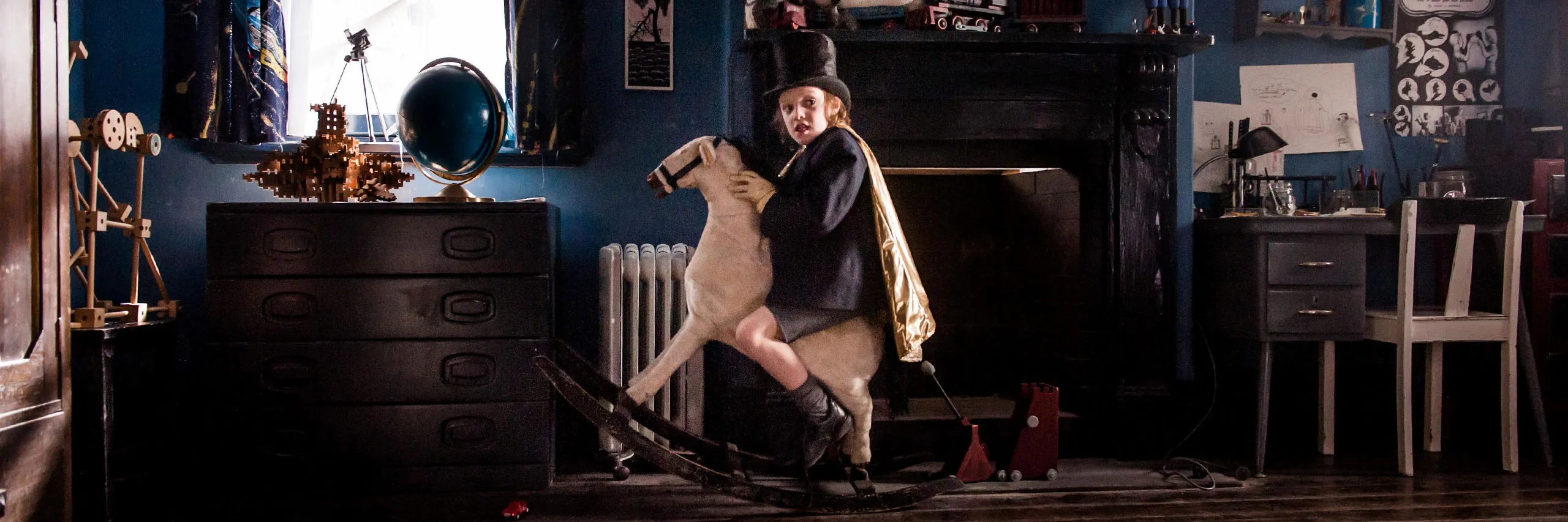
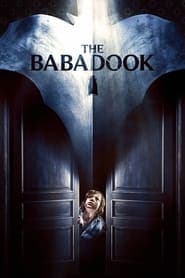
 The Babadook (2014)
🇦🇺Australia
The outback as nightmare, civilization as fragile illusion — Australian horror turns the country's vast, indifferent landscape into one of the genre's most powerful antagonists.
History
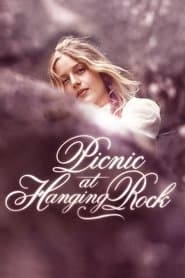
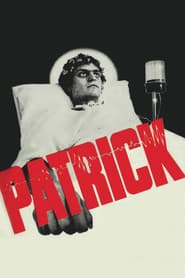
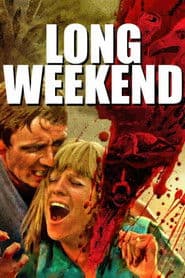
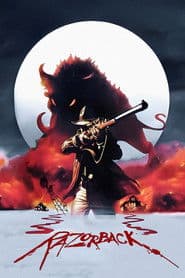
Australian horror emerged in the 1970s alongside the broader Ozploitation movement — a wave of low-budget genre filmmaking enabled by the introduction of the R rating in 1971 and government incentives designed to build a domestic film industry. Peter Weir's early work established the template: "The Cars That Ate Paris" (1974) weaponized small-town isolation, while "Picnic at Hanging Rock" (1975), though not strictly horror, created the enduring image of the Australian landscape as ancient, unknowable, and hostile to European settlement. Colin Eggleston's "Long Weekend" (1978) made nature itself the antagonist, turning against a callous suburban couple, and Richard Franklin's "Patrick" (1978) brought telekinetic horror to a Melbourne hospital. George Miller's "Mad Max" (1979) was primarily action cinema, but its post-apocalyptic vision of societal collapse drew on the same anxieties about civilization's fragility in the face of the Australian wilderness, and the franchise would increasingly embrace horror imagery in later entries. Russell Mulcahy's "Razorback" (1984) completed the era's transformation of the outback into a nightmare landscape. These films shared a distinctly Australian tension between modern urban life and a vast, indifferent wilderness that predates and dwarfs human presence.
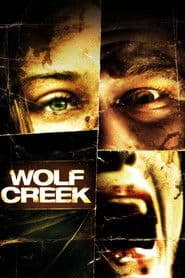
After a quiet period through the 1990s, Greg McLean's "Wolf Creek" (2005) horrified international audiences with its outback-set brutality, tapping into tourist anxieties about Australian isolation that the 1970s films had first exploited. Joel Anderson's "Lake Mungo" (2008), a faux-documentary about a family processing grief and uncovering disturbing secrets, demonstrated that Australian horror could work through quiet dread as effectively as through violence. Jennifer Kent emerged as one of contemporary horror's most distinctive voices with "The Babadook" (2014), a study of maternal grief that transforms a children's pop-up book into genuine terror, followed by "The Nightingale" (2018), a harrowing colonial revenge film set in 1820s Tasmania. The Spierig Brothers contributed genre-hybrid work with "Undead" (2003) and the vampire-society film "Daybreakers" (2009). Australian horror continues to balance its two dominant modes: the savage outback thriller that exploits the country's geography and the psychologically sophisticated domestic horror that uses intimate settings to explore grief, guilt, and isolation.
Essential Films
Statistics
Top Subgenres
Popularity by Decade
Percentage of all horror films in each decade classified as Australia horror.