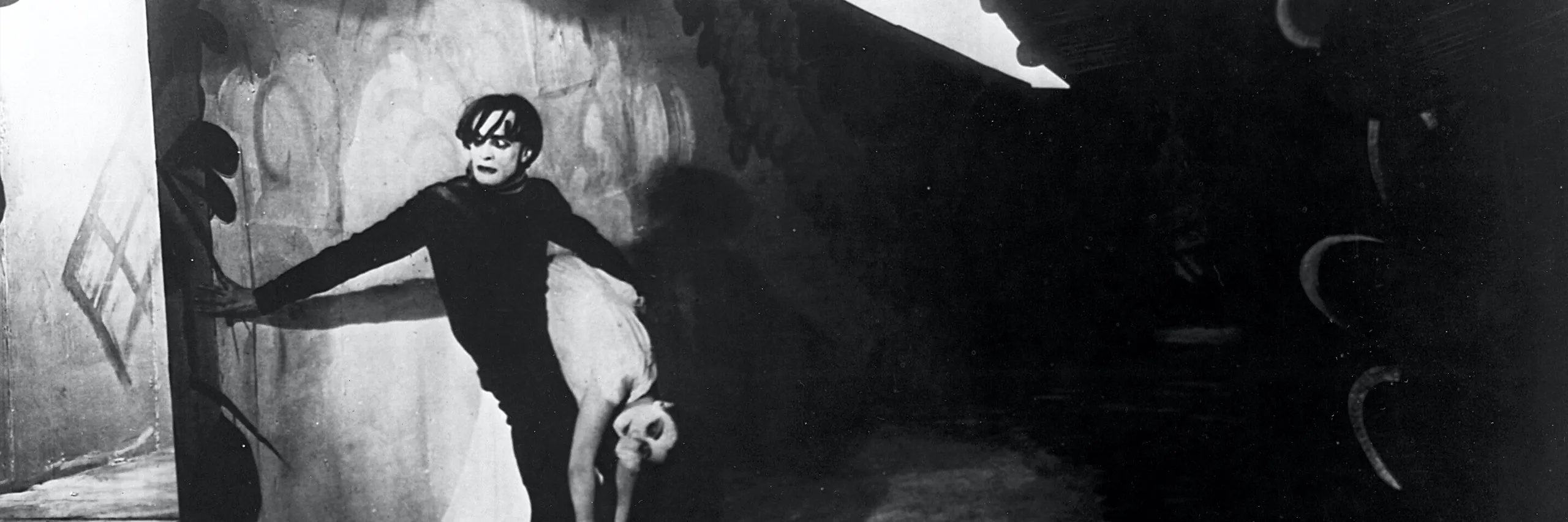
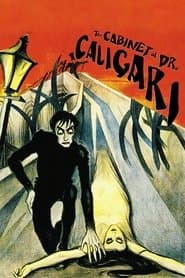
 The Cabinet of Dr. Caligari (1920)
🇩🇪Germany
Germany gave horror cinema its visual language, then largely abandoned the genre. A century later, Expressionism's distorted shadows still define how the world pictures fear.
History
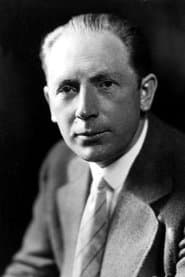
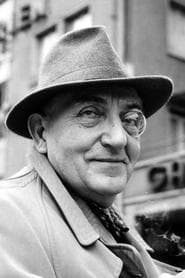
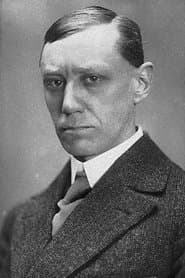
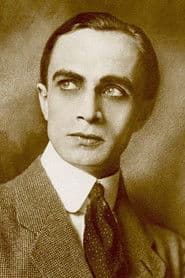
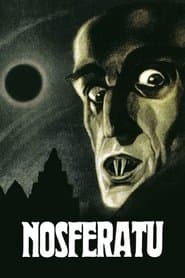
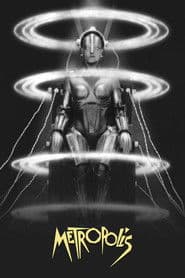
Germany produced the visual language of horror cinema before the genre formally existed. Robert Wiene's "The Cabinet of Dr. Caligari" (1920), with its painted shadows and tilted sets, externalized psychological instability into physical space — though it was marketed as art cinema, not as a horror film. F.W. Murnau's "Nosferatu" (1922), an unauthorized Dracula adaptation, created cinema's first iconic vampire, while Fritz Lang's "Metropolis" (1927) established the mad-scientist laboratory that would directly influence James Whale's "Frankenstein." These Weimar-era films arguably reflected the anxieties of a destabilized postwar society, but their most tangible legacy was practical: when the Nazi regime ended Weimar cinema's creative freedom, émigré filmmakers like Karl Freund and Paul Leni carried Expressionist techniques to Hollywood, where they shaped the lighting, camera angles, and atmospheric design of Universal's 1930s monster cycle and, later, 1940s film noir.
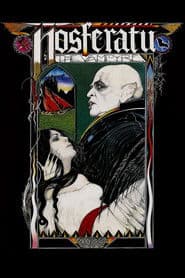
Germany did not participate in the late-1950s European horror revival that produced Hammer in Britain and Bava in Italy. Instead, the Rialto studio launched a long cycle of Edgar Wallace adaptations — over thirty films between 1959 and 1972 — that blended crime thriller conventions with horror-adjacent imagery: masked killers, sinister laboratories, and Gothic settings. Klaus Kinski became a regular sinister presence in these productions. Scattered horror films appeared alongside the krimis — "The Head" (1959), whose art director Hermann Warm had designed the original Caligari sets, and "Blood Demon" (1967), often cited as Germany's first Gothic horror since the war. The 1970s produced a handful of experimental genre projects: the controversial "Mark of the Devil" (1970), Ulli Lommel's "Tenderness of Wolves" (1973), a serial-killer film about Fritz Haarmann produced by Rainer Werner Fassbinder, and Werner Herzog's "Nosferatu the Vampyre" (1979), a brooding remake that returned German cinema to its most famous horror creation through Klaus Kinski's feral performance.
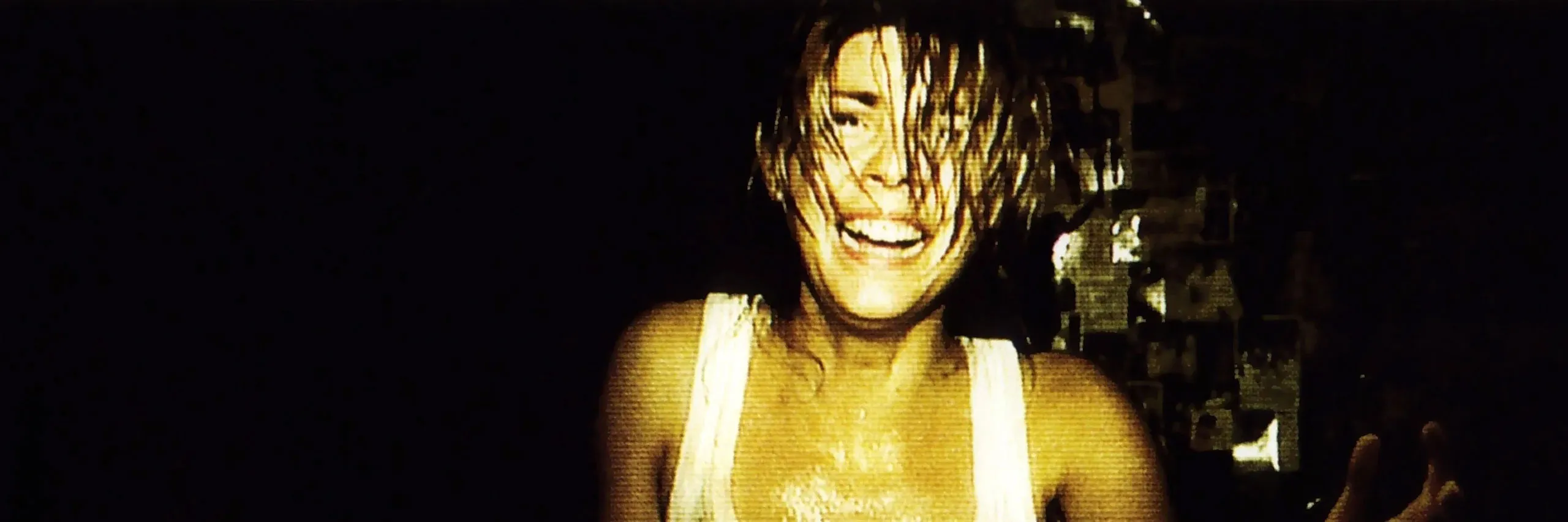
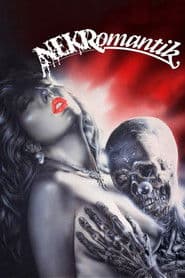
Jörg Buttgereit's "Nekromantik" (1987), a transgressive underground film about necrophilia, demonstrated that German horror's impulse toward provocation had not entirely disappeared, though it remained firmly outside mainstream cinema. German horror production has never cohered into a sustained national cycle in the manner of Britain, Italy, or Spain — the country's postwar film culture favored social realism and art cinema over genre filmmaking. Occasional productions like "Anatomie" (2000) and "Rammbock" (2010) have drawn on the country's history and anxieties, but Germany's most lasting contribution to horror remains its Expressionist origins: the visual vocabulary of distorted space, dramatic shadow, and psychological unreliability that filmmakers worldwide — from Argento to Tim Burton — continue to draw upon a century later.
Essential Films
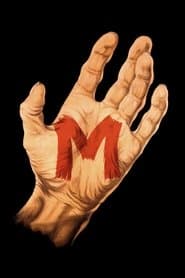
Statistics
Top Subgenres
Popularity by Decade
Percentage of all horror films in each decade classified as Germany horror.