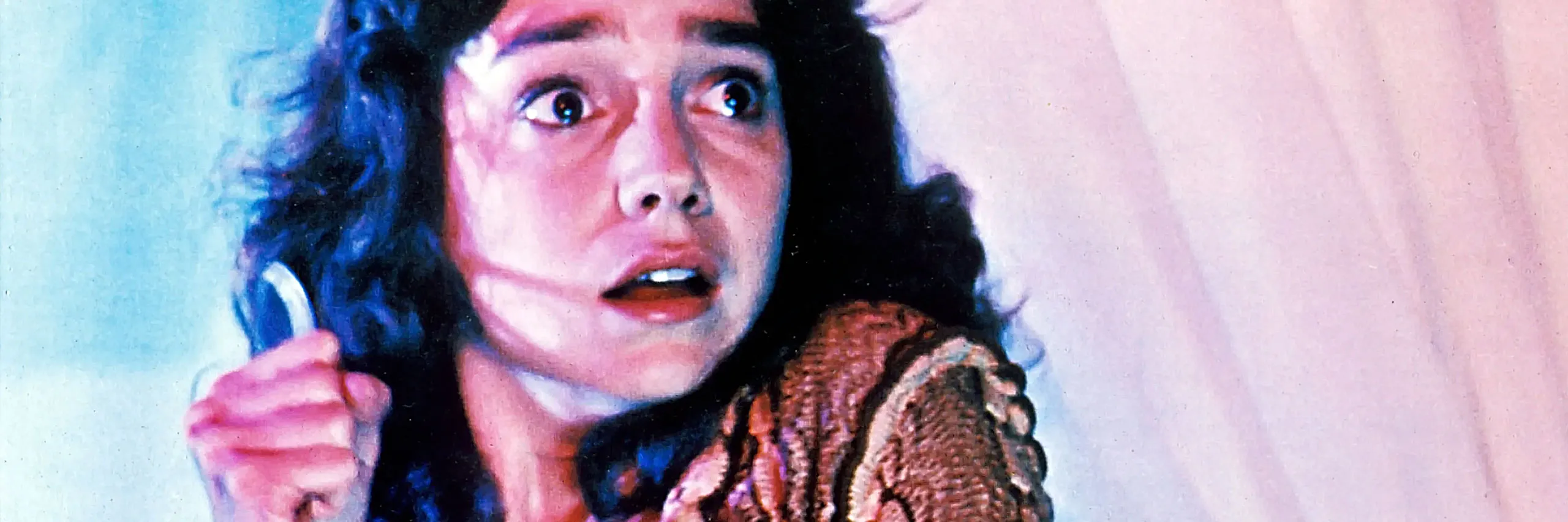
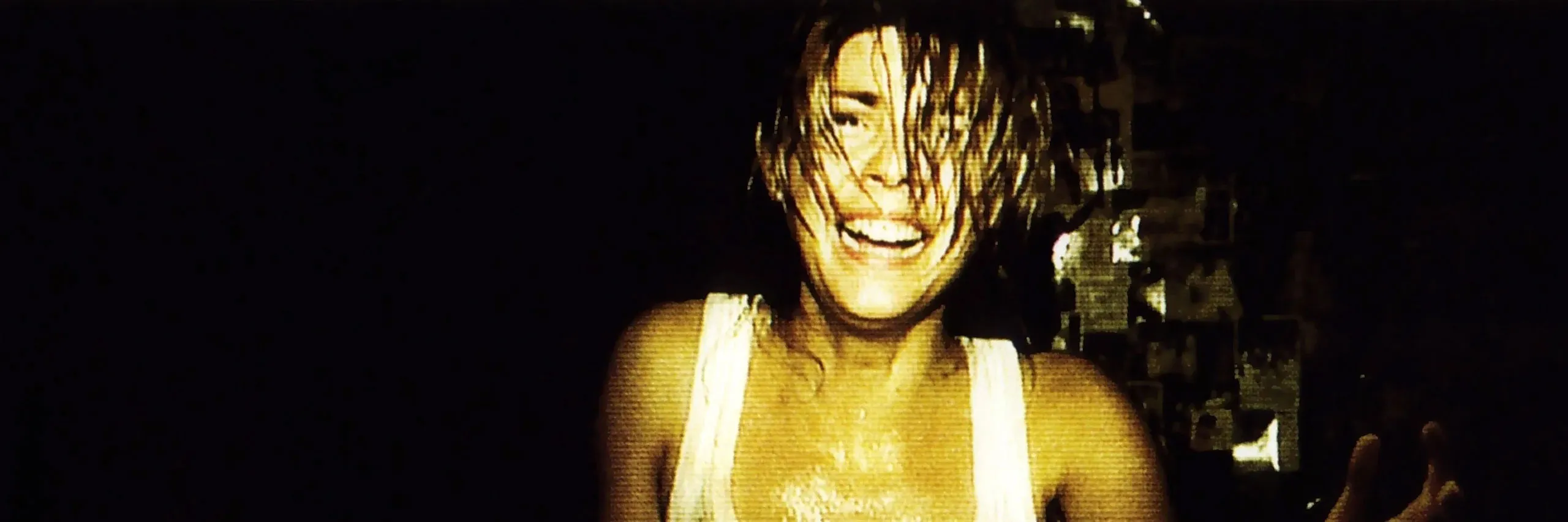
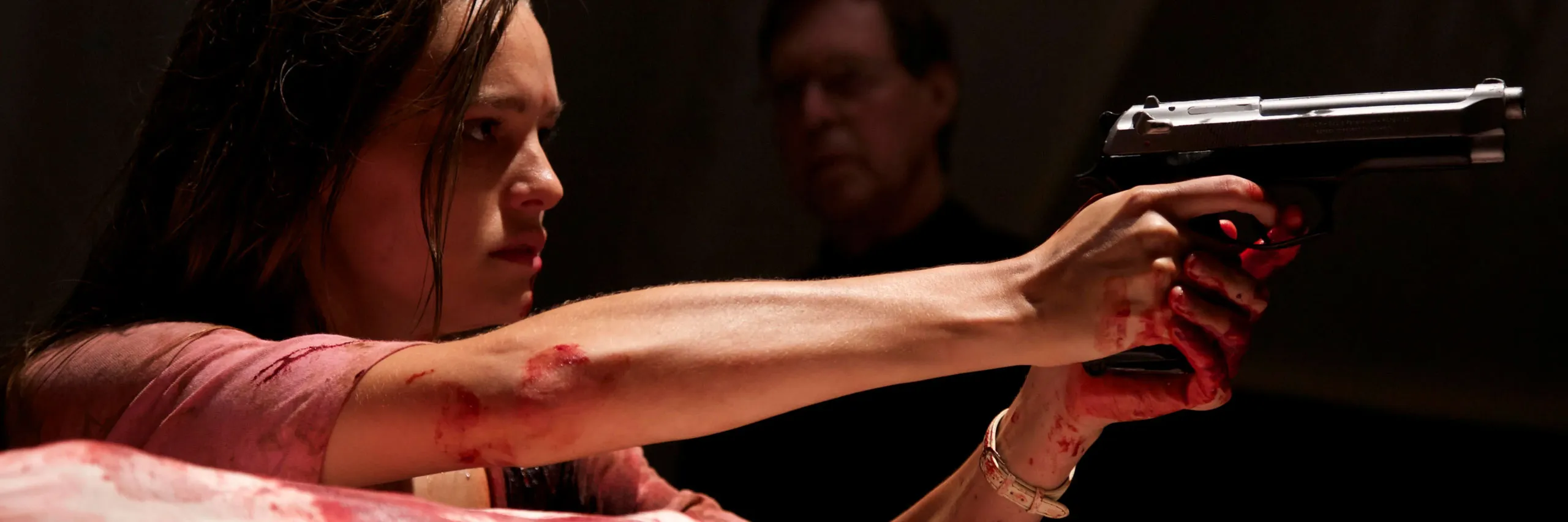
 Martyrs (2008)
🇫🇷France
Sporadic but seismic — French horror intervenes rarely, but each wave reshapes the genre's boundaries, from Clouzot's psychological precision to the New French Extremity's philosophical violence.
History
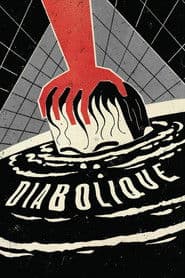
France's relationship with horror cinema has been sporadic but influential, marked by isolated masterworks rather than sustained production. The surrealist movement produced foundational horror imagery — Jean Epstein's experimental Poe adaptation "La Chute de la Maison Usher" (1928) and Luis Buñuel and Salvador Dalí's "Un Chien Andalou" (1928), with its infamous razor-and-eye sequence, established a lineage of French cinema unafraid to assault the viewer. Henri-Georges Clouzot's "Les Diaboliques" (1955), a psychological thriller about a murder plot gone supernaturally wrong, proved enormously influential — it directly inspired Hitchcock's "Psycho," William Castle's gimmick-thriller cycle, and Hammer's entire line of psychological horrors. Georges Franju's "Eyes Without a Face" (1960) offered something different: a poetic, clinical study of surgical obsession that was simultaneously beautiful and deeply disturbing, establishing a distinctly French approach to horror that prized aesthetic refinement alongside visceral shock.
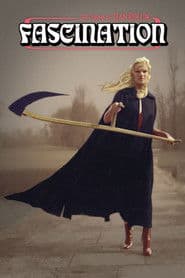
Jean Rollin carved out a singular niche through his vampire films of the 1970s, merging surrealist imagery with eroticism in works like "The Nude Vampire" (1970), "Requiem for a Vampire" (1971), and "Fascination" (1979). Rollin's dreamlike, low-budget productions — often featuring deserted beaches, ruined chateaux, and languid female vampires — created a private mythology that bore little resemblance to any other horror tradition. But Rollin was essentially working alone. French cinema's dominant strains — the New Wave's intellectual rigor, the tradition of quality's literary adaptations — left little room for genre filmmaking, and the 1980s and 1990s produced almost no French horror of note. This long dormancy makes what came next all the more remarkable.
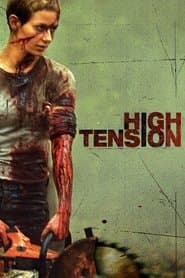
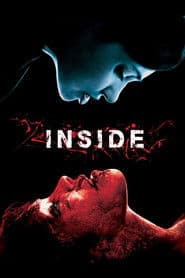
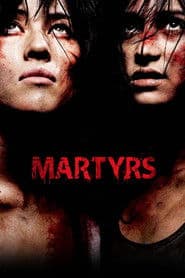
The term "New French Extremity" was coined by critic James Quandt in Artforum, prompted by Claire Denis' "Trouble Every Day" (2001), a vampire film that dissolved genre boundaries into art-house provocation. What followed was an explosion of confrontational filmmaking unprecedented in European horror: Gaspar Noé's "Irréversible" (2002), with its unbroken nine-minute assault sequence; Alexandre Aja's "High Tension" (2003); Alexandre Bustillo and Julien Maury's home-invasion nightmare "Inside" (2007); and Pascal Laugier's "Martyrs" (2008), which pushed torture and transcendence to philosophical extremes. These filmmakers were not a movement in any organized sense — most resisted the label — but they shared a willingness to use extreme violence as a vehicle for genuine philosophical inquiry into suffering, the body, and human cruelty. Whether their work belonged to horror or merely appropriated its imagery remained a subject of critical debate.
Julia Ducournau's emergence confirmed that the French tradition of intellectually ambitious body horror had not exhausted itself. "Raw" (2016), a coming-of-age cannibal film set in a veterinary school, and "Titane" (2021), which won the Palme d'Or at Cannes, demonstrated that French cinema's willingness to fuse art-house sensibility with genre extremity remained vital. Coralie Fargeat's "Revenge" (2018) brought a feminist lens to exploitation cinema, reclaiming the rape-revenge format with stylish precision. The legacy of French horror lies not in volume — the country has never sustained the kind of genre industry that thrived in Italy, Spain, or Britain — but in the intensity of its interventions. From Clouzot's psychological precision through Franju's surgical poetry to the NFE's confrontational violence, French horror at its best transforms the genre into a vehicle for asking uncomfortable questions about the human capacity for cruelty, desire, and endurance.
Essential Films



Statistics
Top Subgenres
Popularity by Decade
Percentage of all horror films in each decade classified as France horror.