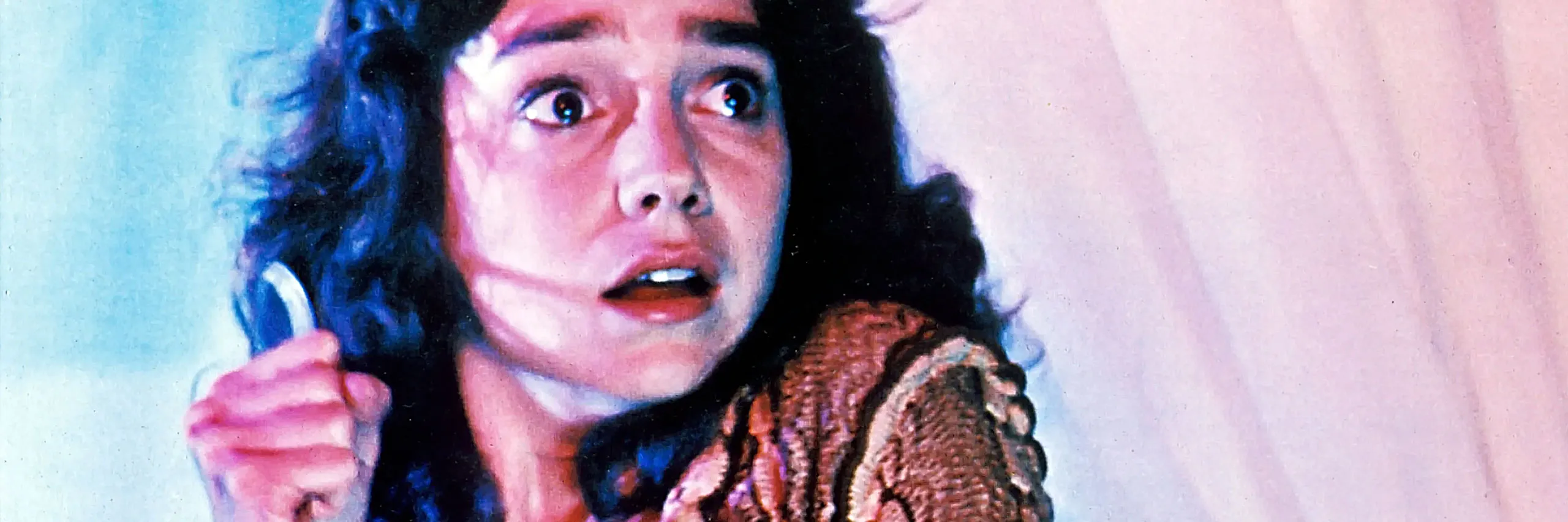
 Suspiria (1977)
🇮🇹Italy
The giallo, the zombie cycle, the cannibal film — Italian horror operated on imitation and excess, producing some of the most visually stunning and transgressive genre cinema ever made.
History
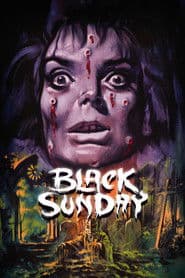
Italian horror cinema is usually dated from Riccardo Freda's "I Vampiri" (1957), the country's first true horror film, though it was a commercial failure on release. The international success of Hammer's Gothic horrors, particularly "Dracula" in its 1959 Italian release, demonstrated that audiences would pay for stylish terror, and Mario Bava — who had served as cinematographer on "I Vampiri" and finished directing it when Freda walked off set — seized the opportunity with "Black Sunday" (1960). Bava's film, starring British actress Barbara Steele in a dual role, combined Gothic atmosphere with a frank sexuality and violence that exceeded anything Hammer had attempted, and its international success launched both a genre and a star. Steele became the defining face of 1960s Italian horror, appearing in Freda's necrophilia-tinged "The Horrible Dr. Hichcock" (1962) and numerous other Gothic productions that mined the intersection of desire, death, and the supernatural.
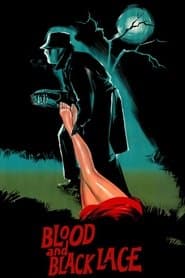
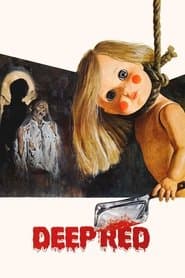
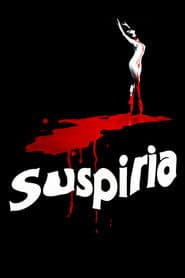
Bava also invented the giallo — the Italian murder mystery that would become the country's most distinctive contribution to horror cinema. Named after the yellow covers of Mondadori's crime paperbacks, the cinematic giallo began with Bava's "The Evil Eye" (1962) and reached its definitive form in "Blood and Black Lace" (1964), which established the template: black-gloved killers, elaborate murder set pieces, amateur detectives, and a voyeuristic camera. Dario Argento refined and popularized the form with his "animal trilogy" — "The Bird with the Crystal Plumage" (1970), "The Cat o' Nine Tails" (1971), and "Four Flies on Grey Velvet" (1971) — triggering a massive cycle of production. Over a hundred gialli were produced throughout the 1970s by directors including Sergio Martino, Lucio Fulci, Umberto Lenzi, and Aldo Lado. Argento's collaborations with the progressive rock band Goblin, beginning with "Deep Red" (1975) and continuing through the hallucinatory fairy-tale horror of "Suspiria" (1977), produced some of the most distinctive soundscapes in horror history.
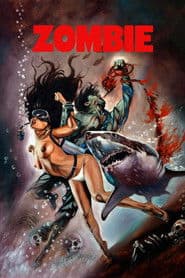
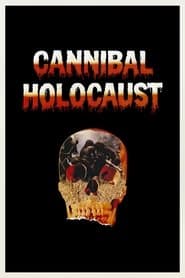
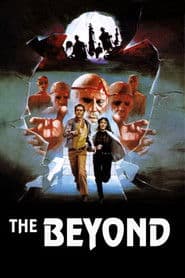
The Italian film industry operated on the filone system — rapid cycles of imitation designed to capitalize on international trends. When Romero's "Dawn of the Dead" (1978), released in Italy as "Zombi," became a hit, Lucio Fulci responded with "Zombi 2" (1979), an unauthorized sequel-in-name-only that launched Italy's zombie cycle and showcased Fulci's gift for dreamlike imagery and extreme gore. His loosely connected "Gates of Hell" trilogy — "City of the Living Dead" (1980), "The Beyond" (1981), and "The House by the Cemetery" (1981) — prioritized atmosphere and set pieces over narrative coherence. Simultaneously, the cannibal cycle — rooted less in American horror than in Italy's own mondo documentary tradition dating back to "Mondo Cane" (1962) — peaked with Ruggero Deodato's "Cannibal Holocaust" (1980), whose found-footage conceit and use of real animal killings generated criminal investigations and worldwide bans. Between 1977 and 1985, Italy produced roughly 75 horror films, making it one of the world's most prolific horror industries.
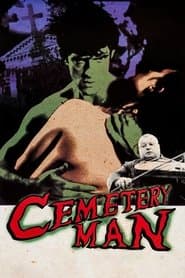
Italian horror's rapid decline in the late 1980s was driven not by censorship but by structural changes in the film industry. A 1976 court ruling ended Italy's state broadcasting monopoly, and the flood of private television networks — particularly Berlusconi's Fininvest empire — drew audiences away from theaters. Second- and third-run cinemas, the backbone of genre exhibition, closed in large numbers. The international market that had sustained Italian horror also collapsed as American grindhouses and drive-ins disappeared. Directors like Lamberto Bava and Michele Soavi moved into television; Soavi's ambitious "Cemetery Man" (1994) represented a creative peak but not a renaissance, as he left horror filmmaking entirely afterward. Today, Italian horror production is largely micro-budget and self-funded, though the country's legacy — the giallo's influence on the slasher film, Bava's and Argento's visual innovations, Fulci's surreal gore — continues to shape horror cinema worldwide, from homage films like "Amer" (2009) to the broader aesthetics of contemporary art-horror.
Essential Films
Statistics
Top Subgenres
Popularity by Decade
Percentage of all horror films in each decade classified as Italy horror.