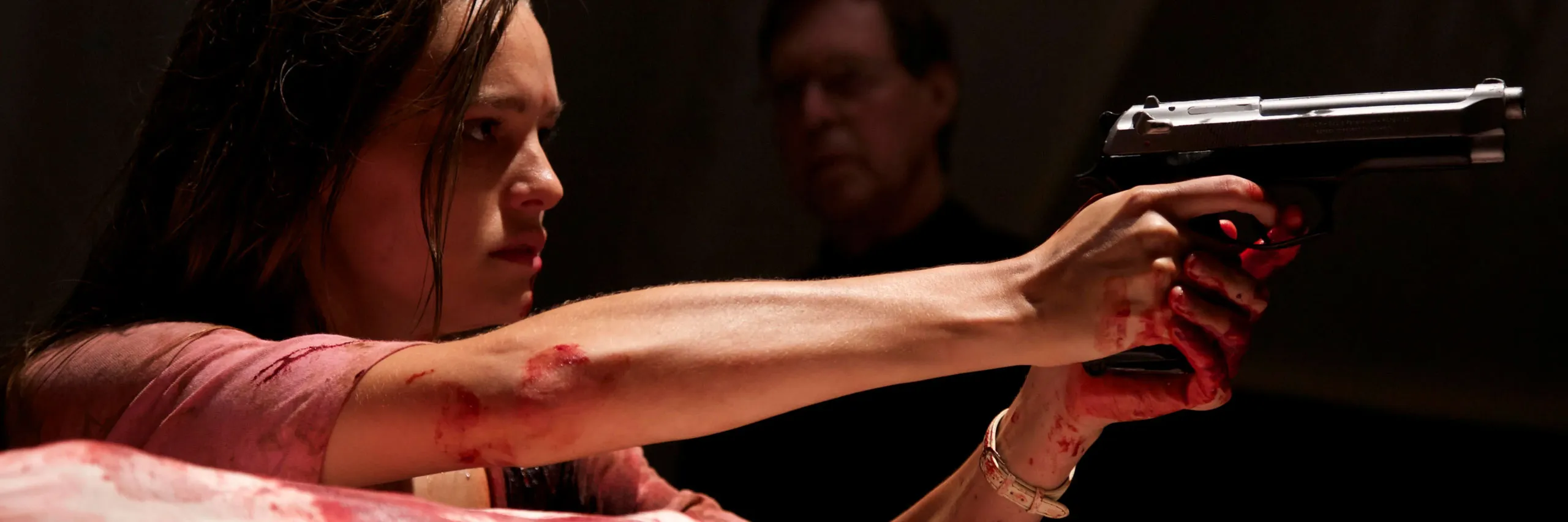
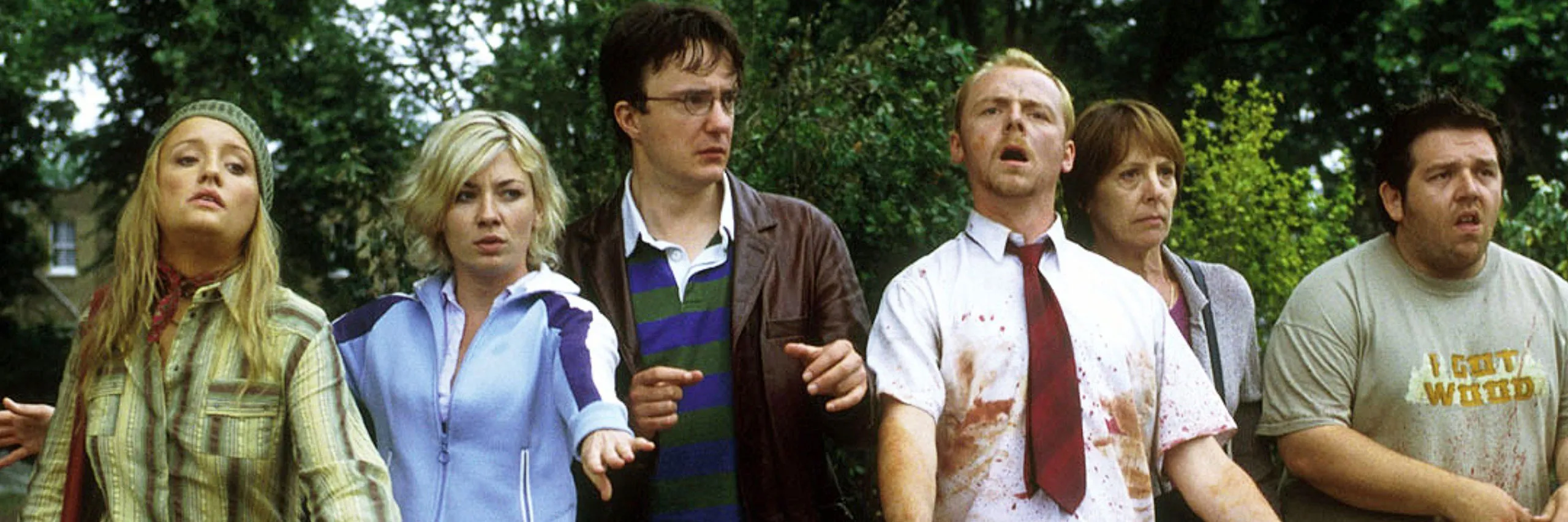
 Shaun of the Dead (2004)
🇬🇧United Kingdom
From Hammer's Gothic grandeur to contemporary psychological terror, British horror has masterfully blended literary tradition with cinematic innovation, creating some of the genre's most influential and enduring works.
History
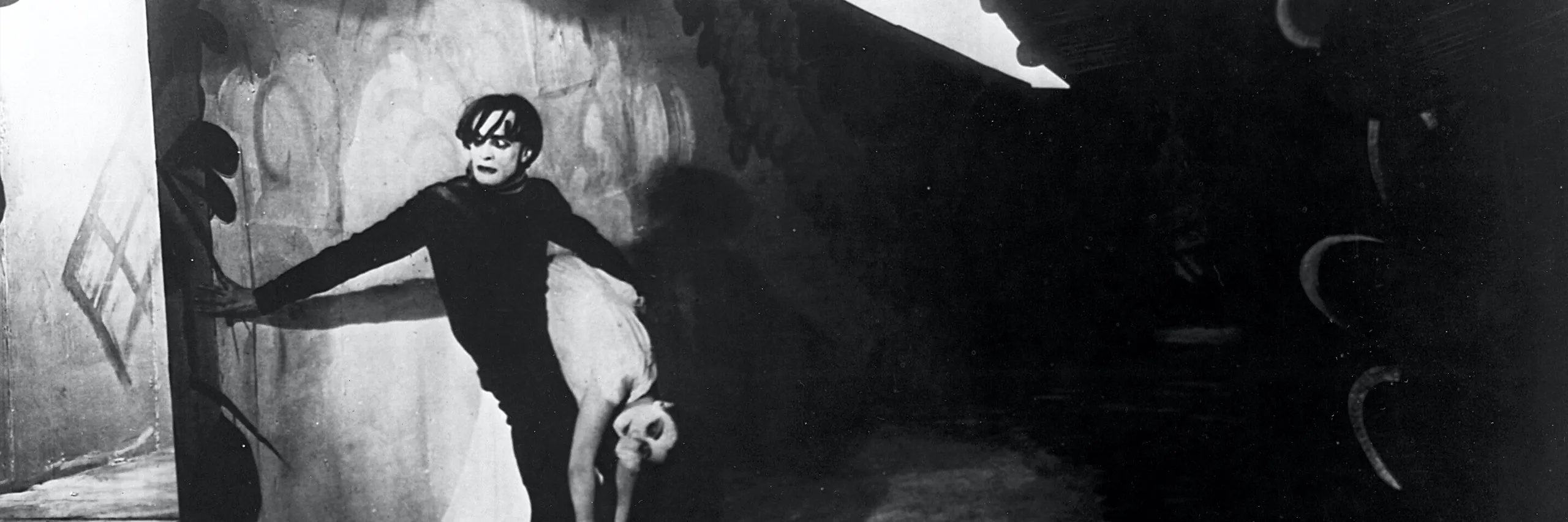
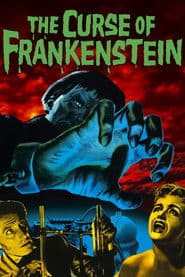
British horror cinema emerged from the nation's rich Gothic literary tradition, finding its cinematic voice in the 1930s with productions like "The Man in Grey" (1943) and early Gainsborough melodramas. However, the true golden age began in the late 1950s with Hammer Film Productions, whose Technicolor reimaginings of classic monsters revolutionized the genre. Terence Fisher's "The Curse of Frankenstein" (1957) and "Horror of Dracula" (1958), starring Christopher Lee and Peter Cushing, established a house style that emphasized vivid color, elaborate period detail, and a distinctly British sensibility that made Gothic horror feel both classical and immediate.
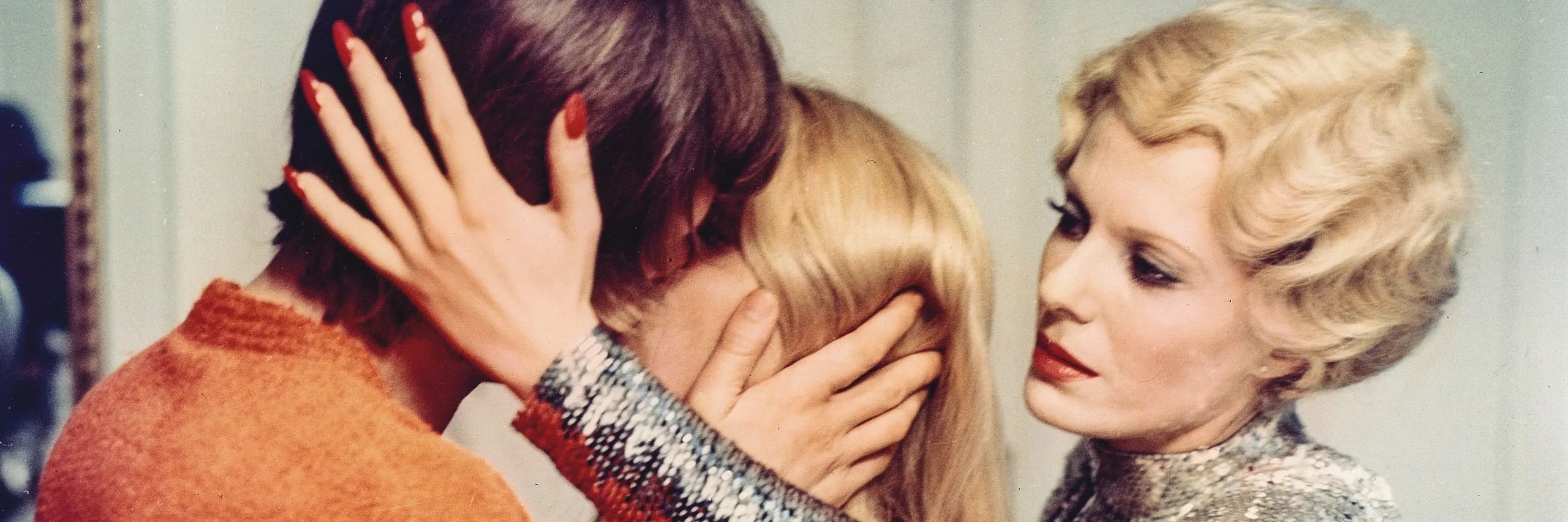
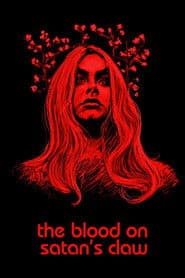
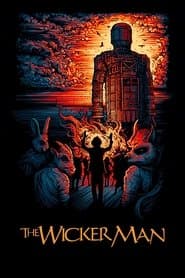
The 1960s and 70s saw British horror diversify beyond Hammer's Gothic formula. Amicus Productions offered anthology films like "Dead of Night" (1945) and "Tales from the Crypt" (1972), while directors like Michael Reeves created disturbing character studies such as "Witchfinder General" (1968). The period also produced folk horror masterpieces including "The Wicker Man" (1973) and "The Blood on Satan's Claw" (1971), films that explored ancient pagan traditions lurking beneath Britain's civilized veneer. These works established a uniquely British subgenre that would influence horror cinema for decades.
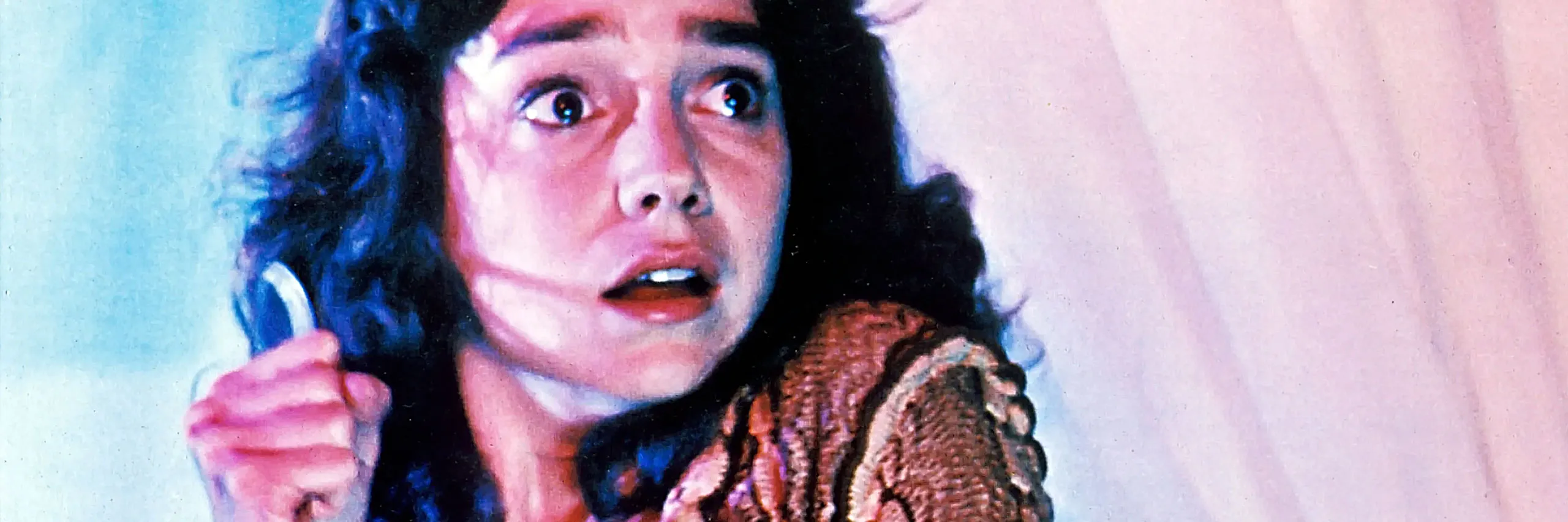
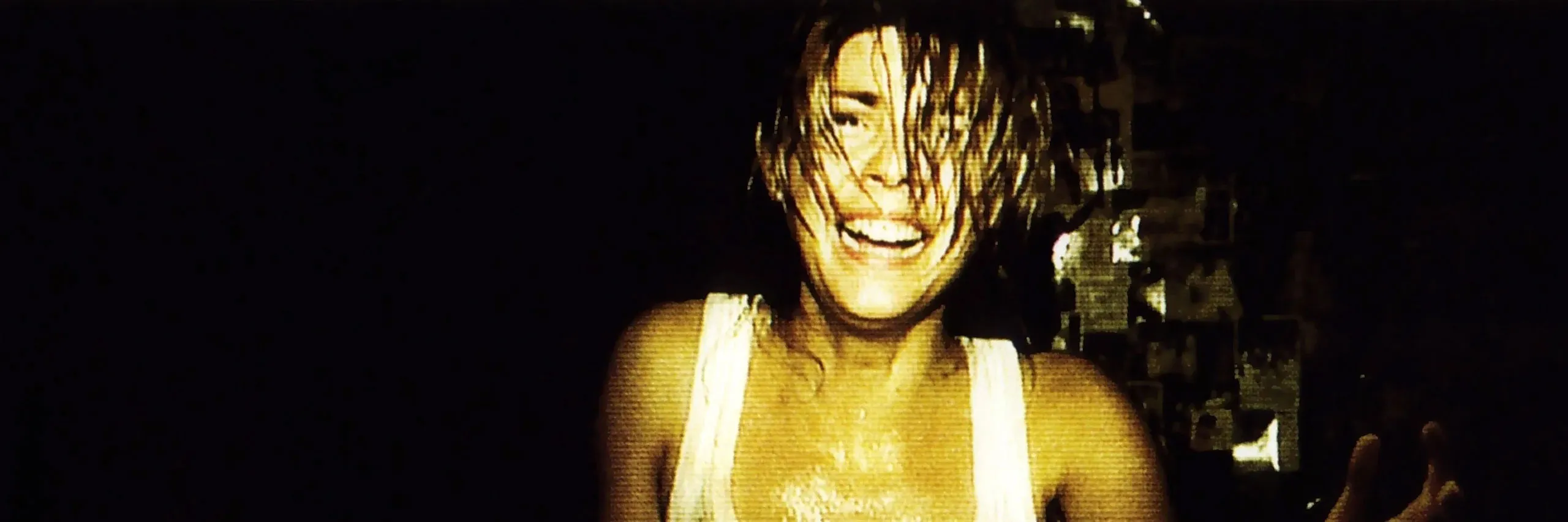
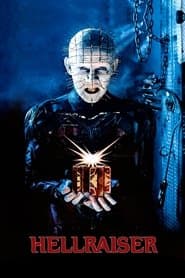
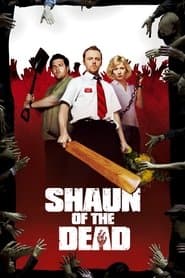
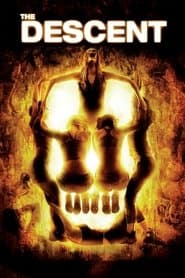
The 1980s brought both decline and innovation. While Hammer's influence waned, filmmakers like Clive Barker emerged with "Hellraiser" (1987), introducing a new vocabulary of visceral horror. The zombie comedy "Shaun of the Dead" (2004) demonstrated British horror's capacity for genre-blending wit, while Neil Marshall's "The Descent" (2005) proved that contemporary British filmmakers could still craft genuinely terrifying experiences. This period established Britain's reputation for intelligent, character-driven horror that often subverted genre expectations.
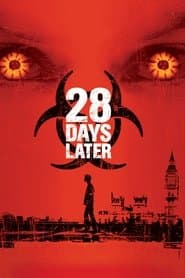
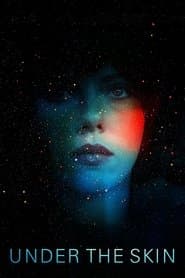
Contemporary British horror continues to thrive through diverse voices and approaches. Ben Wheatley's "Kill List" (2011) and "A Field in England" (2013) have pushed boundaries of folk horror and psychological terror, while "28 Days Later" (2002) revitalized the zombie genre. From the cerebral chills of "Under the Skin" (2013) to the period scares of "The Woman in Black" (2012), modern British horror maintains its tradition of combining literary sophistication with visceral impact, ensuring the nation's continued influence on global horror cinema.
Essential Films
Recent Releases

Statistics
Top Subgenres
Popularity by Decade
Percentage of all horror films in each decade classified as United Kingdom horror.