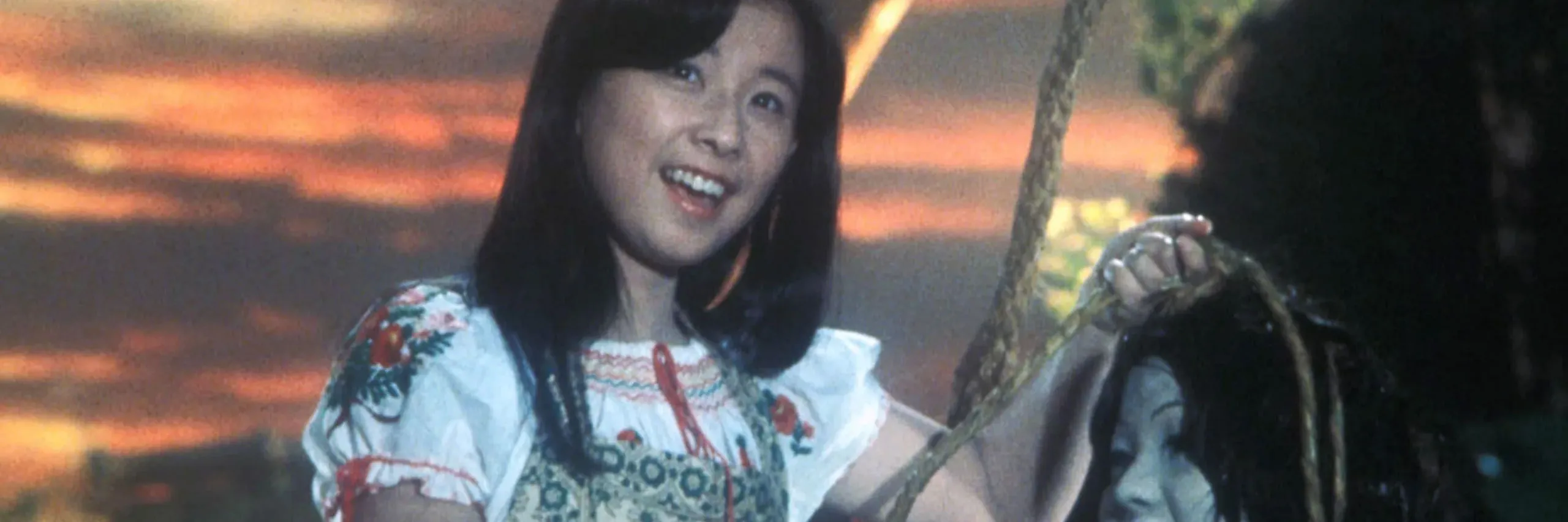
 House (1977)
🇯🇵Japan
From vengeful onryō to cyberpunk body horror, Japanese horror draws on centuries of supernatural belief to transform everyday spaces into sites of existential dread.
History
Japanese horror cinema draws from centuries of supernatural storytelling rooted in Shinto and Buddhist belief systems. The kaidan tradition — tales of vengeful ghosts, demonic women, and karmic retribution — found expression in Noh theater's ghost-plays, Kabuki's stylized violence, and the ukiyo-e woodblock prints of Hokusai and Kuniyoshi. Film arrived in Japan in 1897, and supernatural trick films appeared almost immediately, with "Bake Jizo" (Jizo the Spook) and "Shinin no Sosei" (The Resurrection of a Corpse) both produced in 1898. The first screen adaptation of the foundational ghost story "Tokaido Yotsuya Kaidan" was directed by Shozo Makino in 1912 as a silent film, beginning a tradition of adapting this tale that would span decades.
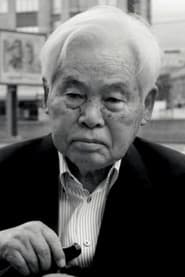
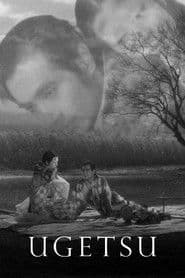
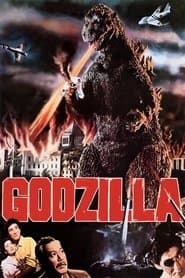
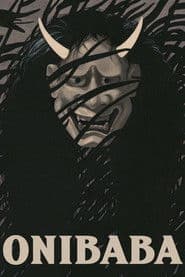
The postwar era produced some of Japan's most enduring horror. Kenji Mizoguchi's "Ugetsu" (1953) brought the kaidan ghost story to international art-house audiences, while Ishiro Honda's "Godzilla" (1954) transformed nuclear trauma into the genre's most iconic monster. Nobuo Nakagawa emerged as the era's foremost horror specialist, with his "Tokaido Yotsuya Kaidan" (1959) and the hallucinatory hell-descent "Jigoku" (1960) pushing boundaries of on-screen violence and surreal imagery. The mid-1960s produced two landmark films: Kaneto Shindo's "Onibaba" (1964), a tale of murder and demonic masks set in war-ravaged medieval Japan, and Masaki Kobayashi's "Kwaidan" (1964), an anthology of Lafcadio Hearn's ghost stories rendered with Noh-influenced formalism and painterly visual design. These films established Japanese horror's characteristic blend of aesthetic refinement and existential dread.
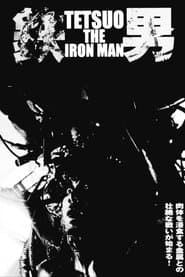
While the 1970s saw relatively sparse horror output in mainstream Japanese cinema, the following decade unleashed an underground wave of extreme filmmaking. The notorious "Guinea Pig" series (1985–1990) — six pseudo-snuff films so realistic that "Flower of Flesh and Blood" was reported to authorities as an actual murder — pushed screen violence to its limits. Shinya Tsukamoto's "Tetsuo: The Iron Man" (1989) fused cyberpunk aesthetics with body horror in a frenzied, industrial nightmare that would influence filmmakers worldwide. These transgressive works represented a strain of Japanese horror entirely distinct from the ghost-story tradition — visceral, confrontational, and rooted in anxieties about technology, urbanization, and the body itself.
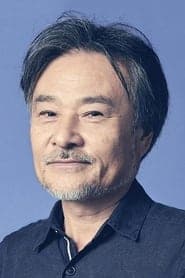
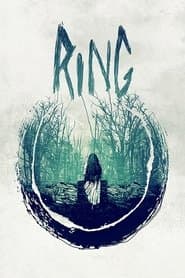
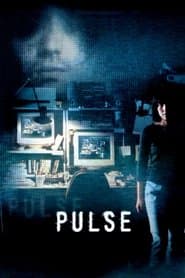
The seeds of the J-horror phenomenon were planted not in cinemas but on home video. Director Tsuruta Norio's "Scary True Stories" (1991–1992), low-budget ghost anthologies made for the direct-to-video market, turned Japanese horror away from the splatter of the 1980s and back toward atmospheric suggestion and vengeful female spirits. Kiyoshi Kurosawa's "Cure" (1997) established a new model for psychological horror, but the true breakthrough came with Hideo Nakata's "Ringu" (1998), adapted from Koji Suzuki's 1991 novel. The film became one of the most commercially successful Japanese films of its era and introduced international audiences to a distinctly Japanese approach to supernatural terror — cursed media, long-haired female ghosts, and technology as a conduit for the dead. Nakata's "Dark Water" (2002), Takashi Shimizu's "Ju-on: The Grudge" (2002), and Kiyoshi Kurosawa's apocalyptic "Pulse" (2001) extended the wave, while Hollywood remakes beginning with "The Ring" (2002) brought J-horror aesthetics to global mainstream audiences.
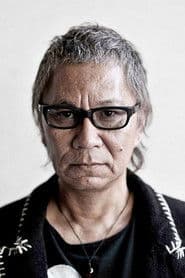
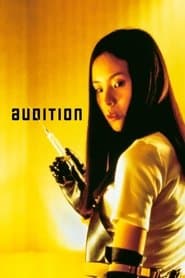
Running parallel to J-horror's ghost stories was a tradition of extreme transgressive filmmaking. Takashi Miike's "Audition" (1999), a slow-burn study of gender and power that culminates in an extended torture sequence, was marketed alongside J-horror internationally but belongs to a different lineage — one stretching back through Tsukamoto and the Guinea Pig films to Teruo Ishii's 1960s torture films. Miike's prolific output, including "Ichi the Killer" (2001), established him as one of cinema's most unpredictable provocateurs. Sion Sono pushed further into surreal extremity with "Suicide Club" (2001) and the sprawling "Love Exposure" (2008). These filmmakers were often grouped with J-horror by Western distributors — notably Tartan Video's "Asia Extreme" label — but their work shares more with international extreme cinema than with the atmospheric restraint of Nakata and Shimizu.
The J-horror boom's commercial peak passed by the mid-2000s, partly exhausted by Hollywood remakes and domestic sequels, but its influence proved permanent. The image of the onryo — the pale, long-haired female ghost — became one of horror cinema's most recognizable icons worldwide. Contemporary Japanese horror continues to draw from both the ghost-story and extreme traditions, while the country's foundational contribution to horror remains its ability to transform everyday spaces — homes, schools, televisions, phones — into sites of existential dread, blurring the boundary between the living and the dead in ways that feel rooted in centuries of belief rather than mere cinematic convention.
Essential Films

Statistics
Top Subgenres
Popularity by Decade
Percentage of all horror films in each decade classified as Japan horror.