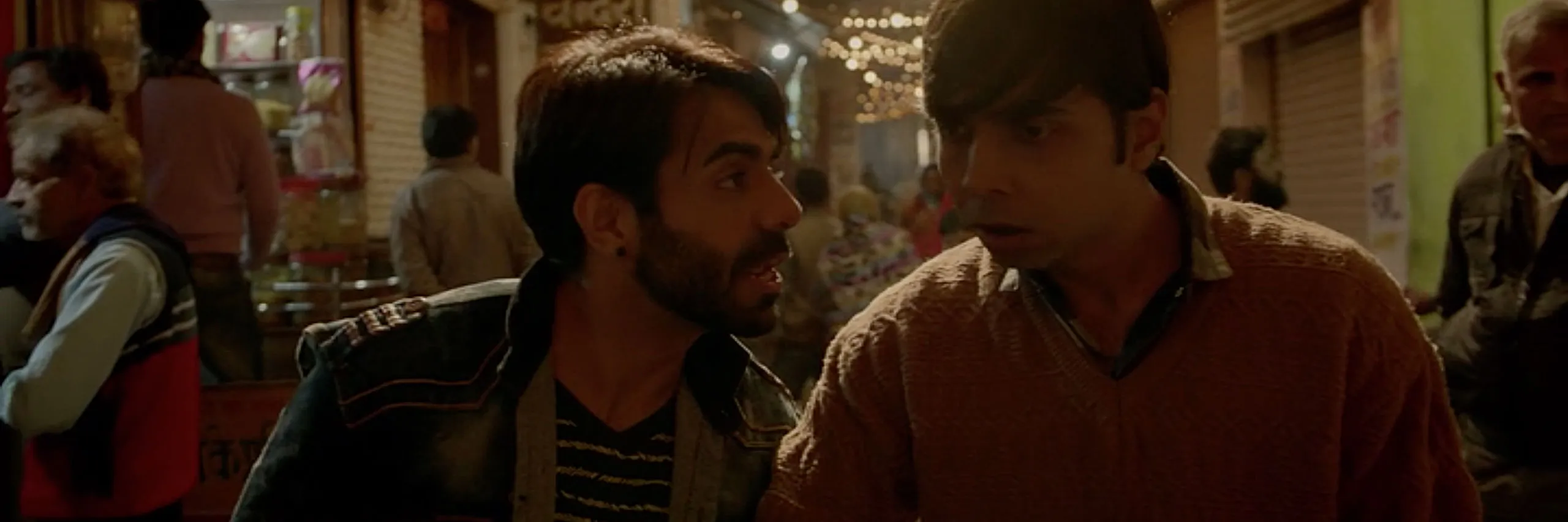
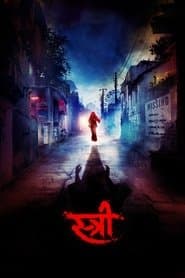
 Stree (2018)
🇮🇳India
From the Ramsay Brothers' lurid havelis to Tumbbad's mythological grandeur, Indian horror channels the subcontinent's deep spiritual traditions into cinema that treats the supernatural as fact, not fiction.
History
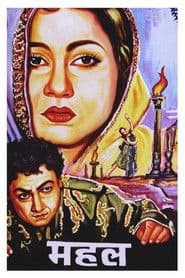
Indian horror's roots lie in the subcontinent's vast mythology of vengeful spirits, demonic entities, and karmic retribution, though the genre was slow to establish itself in cinema. Kamal Amrohi's "Mahal" (1949), a supernatural romance about reincarnation and obsessive love, introduced ghostly atmosphere to Indian film, but it was not until the 1970s — following the international success of "The Exorcist" — that dedicated horror production began. Brothers Tulsi and Shyam Ramsay became the closest thing to horror specialists Indian cinema had, producing a long cycle of films beginning with "Do Gaz Zameen Ke Neeche" (1972) and peaking with "Purana Mandir" (1984), their biggest hit. The Ramsay style borrowed freely from Hammer, Mario Bava, and American slashers, inserting songs and dance numbers into stories of ghosts, curses, and witches adapted to Indian settings — temples, crumbling havelis, and rural graveyards.
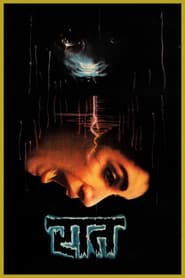
The Ramsay era's association with low-budget, low-status filmmaking left horror stigmatized in the Indian film industry. After "Bandh Darwaza" (1990) performed poorly at the box office, horror production nearly ceased for a decade. Ram Gopal Varma's "Raat" (1992) was a rare exception — a genuinely atmospheric ghost story that proved Indian horror could work without the Ramsay formula — but it took another ten years before the genre revived. Vikram Bhatt's "Raaz" (2002) and Varma's "Bhoot" (2003) reignited commercial interest, with Bhatt continuing through "1920" (2008) and a series of supernatural thrillers that, while uneven, demonstrated sustained audience appetite for horror.
The 2010s brought a new sophistication to Indian horror. "Tumbbad" (2018), a mythological horror about generational greed set against the backdrop of a rain-soaked village and an ancient goddess, earned critical acclaim for its visual ambition and narrative depth. "Stree" (2018), based on the "Nale Ba" urban legend from Karnataka, proved that horror-comedy could achieve massive commercial success while drawing from genuinely local folklore. "Bulbbul" (2020) used a period setting and feminist subtext to reimagine the vengeful-spirit tradition. Regional cinema has also contributed distinctive work, including the acclaimed Malayalam supernatural film "Manichithrathazhu" (1993), later remade as the Bollywood hit "Bhool Bhulaiyaa" (2007). Indian horror's enduring appeal lies in its connection to the subcontinent's deep traditions of supernatural belief — horror films serve as a space where anxieties about moral transgression, family honor, and the consequences of abandoning tradition find vivid, commercially viable expression.
Essential Films


Statistics
Top Subgenres
Popularity by Decade
Percentage of all horror films in each decade classified as India horror.