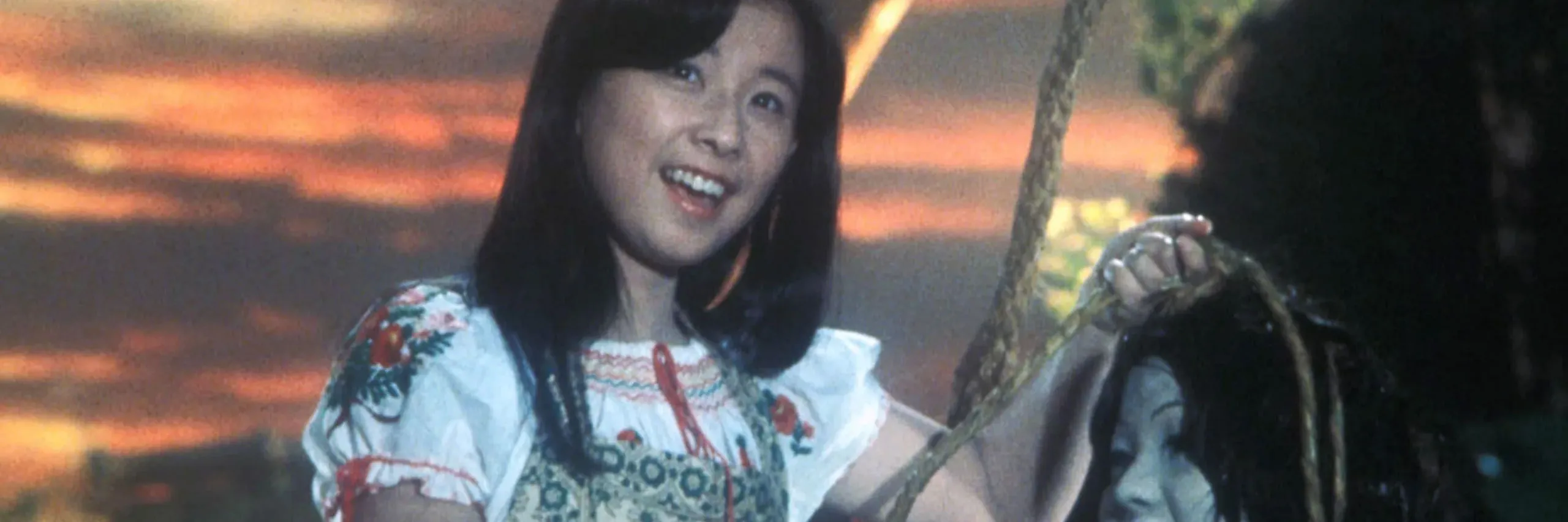
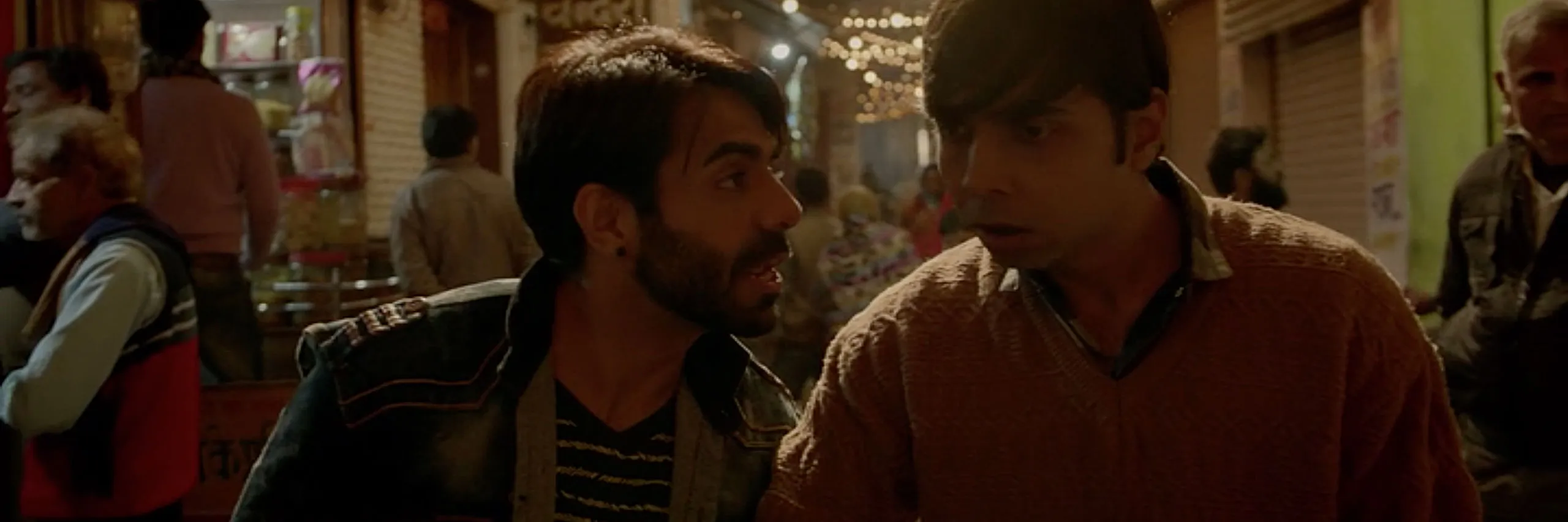
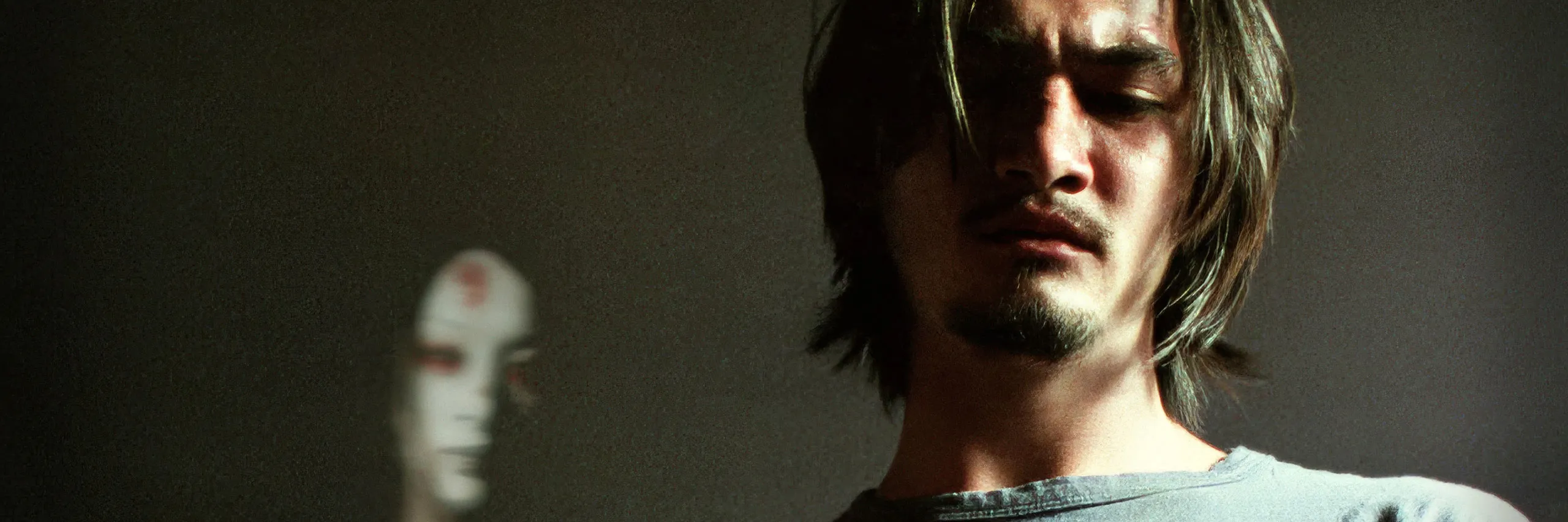
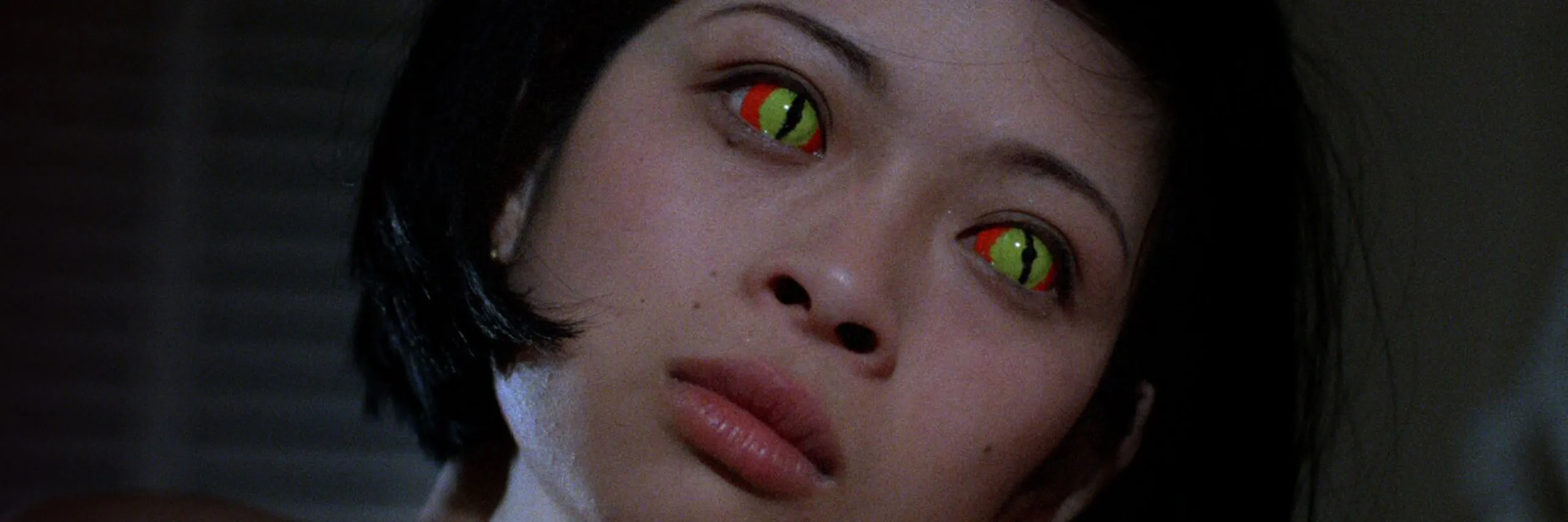
 The Seeding of a Ghost (1983)
🇭🇰Hong Kong
Ghosts meet kung fu, slapstick meets serial killers — Hong Kong horror's genius lies in combinations no other cinema would attempt.
History
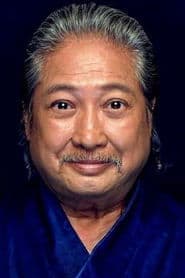
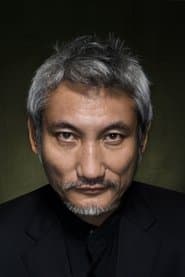
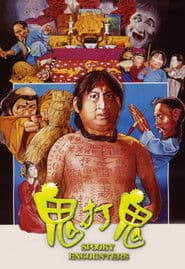
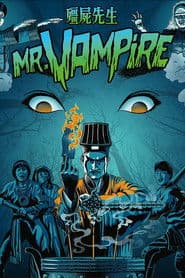
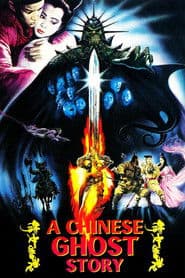
Hong Kong's horror tradition draws from the deep well of Chinese ghost story literature and folk beliefs about the supernatural. Ghost films appeared as early as the 1930s, with "Midnight Song" (1937) establishing a template of romantic supernatural tragedy, but horror did not become a commercial force until the 1980s. Sammo Hung's martial-arts horror-comedies "Encounters of the Spooky Kind" (1980) and "The Dead and the Deadly" (1982) combined kung fu choreography with supernatural threats, while Ricky Lau's "Mr. Vampire" (1985) launched the jiangshi — hopping vampire — subgenre, blending horror with slapstick in a style unique to Hong Kong cinema. Tsui Hark produced "A Chinese Ghost Story" (1987), a lavish supernatural romance that became an international success and spawned sequels, demonstrating that Hong Kong's fusion of action, fantasy, and horror could find audiences far beyond Asia.
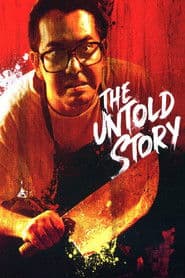
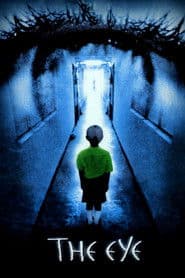
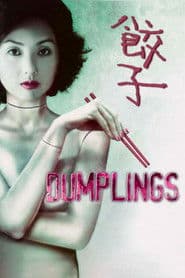
The introduction of the Category III rating system in 1988 enabled a wave of adult-only horror that tested audiences' limits. Films like "Dr. Lamb" (1992) and "The Untold Story" (1993) offered grim serial-killer narratives with graphic violence that pushed Hong Kong horror toward extremes rarely seen in mainstream Asian cinema. This period also produced the prolific "Troublesome Night" ghost story franchise, which ran to multiple installments through the late 1990s and early 2000s. The Pang Brothers — Oxide and Danny — achieved international recognition with "The Eye" (2002), a ghost story that refined J-horror's atmospheric approach for Hong Kong audiences and generated an American remake. Fruit Chan contributed a darkly satirical tale of vanity and cannibalism to the anthology "Three... Extremes" (2004), later expanded into the feature "Dumplings."
Hong Kong horror's output diminished after the 1997 handover to China, as the territory's film industry contracted and mainland censorship complicated supernatural content. The commercial peak of the Category III era and the jiangshi comedy cycle had passed, though individual filmmakers continued to produce distinctive work. Hong Kong's lasting contribution to horror lies in its unique genre hybridity — the willingness to combine ghosts with kung fu, comedy with extreme violence, folklore with modern urban anxiety — creating a tradition that influenced the broader Asian horror wave of the early 2000s and remains unlike anything produced elsewhere in world cinema.
Essential Films
Statistics
Top Subgenres
Popularity by Decade
Percentage of all horror films in each decade classified as Hong Kong horror.