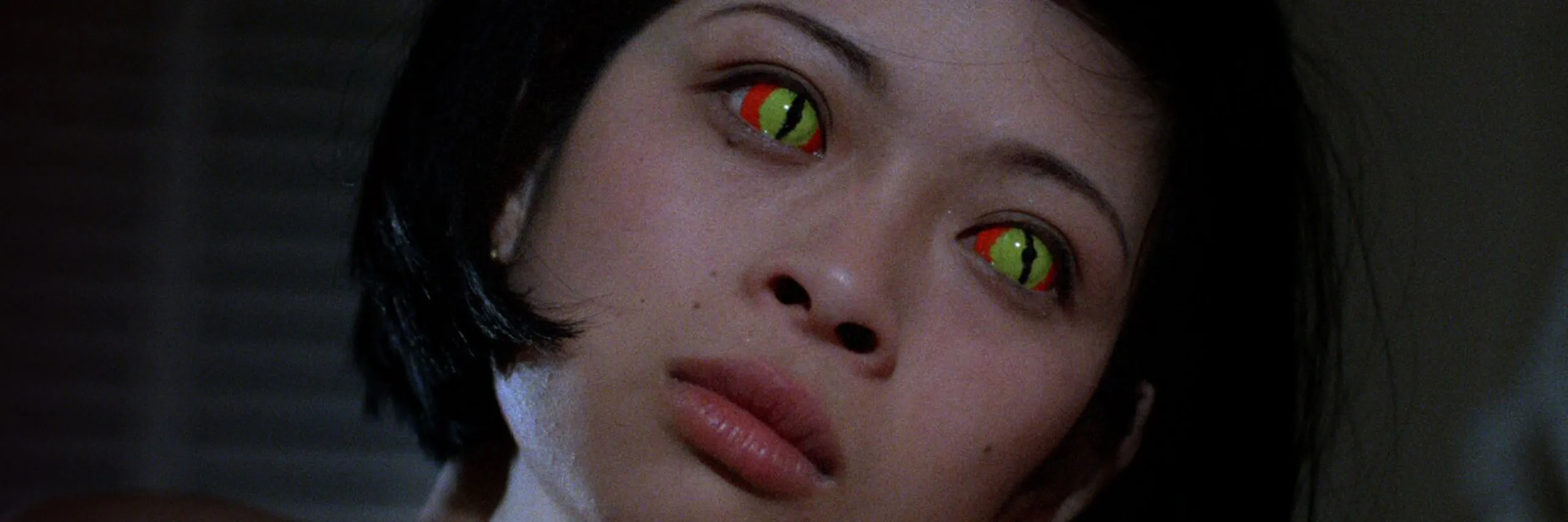
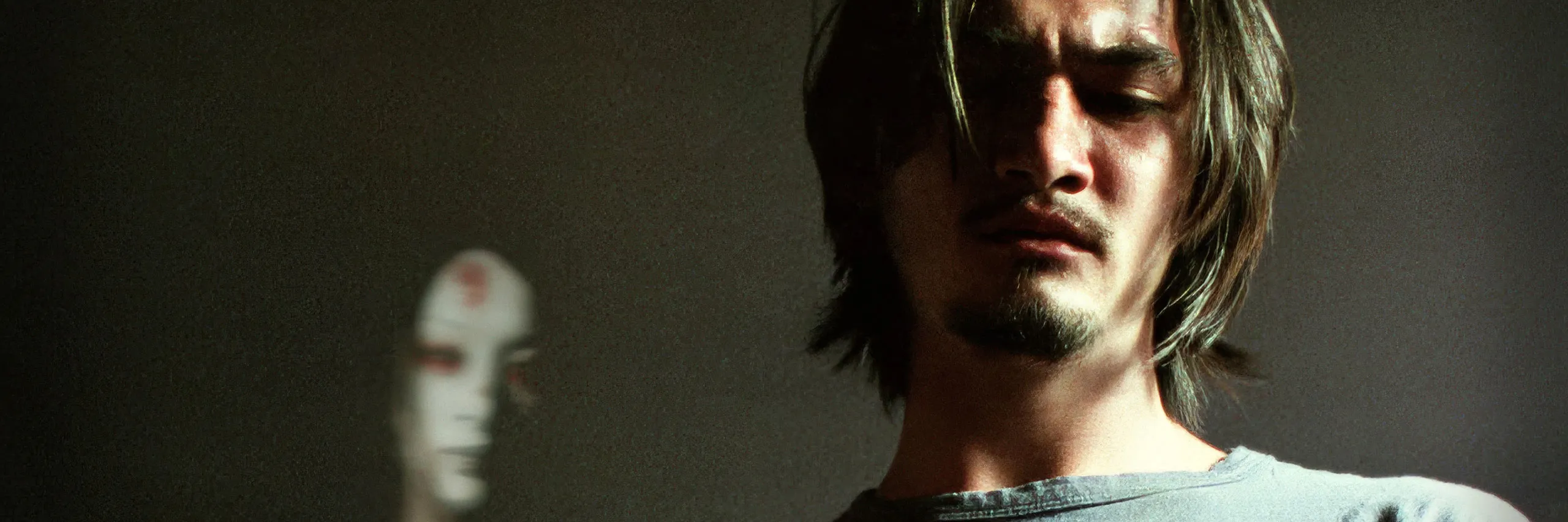
 Oldboy (2003)
🇰🇷South Korea
South Korean horror emerged as a global force in the late 1990s, blending psychological terror with social commentary to create some of cinema's most disturbing and emotionally complex genre films.
History
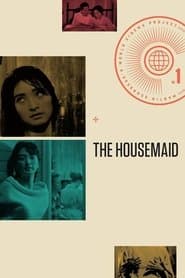
South Korean horror cinema experienced a dramatic renaissance beginning in the late 1990s, coinciding with the country's broader cultural export boom. Early pioneers like Kim Ki-young laid groundwork with psychologically twisted domestic thrillers such as "The Housemaid" (1960), but it wasn't until directors like Park Chan-wook and Kim Jee-woon emerged that Korean horror gained international recognition. Park's "Oldboy" (2003) and the "Vengeance Trilogy" demonstrated how Korean filmmakers could weaponize extreme violence and psychological torment into profound statements about trauma and justice.
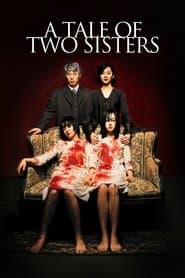
The golden age of K-horror flourished in the early 2000s with films that masterfully combined supernatural elements with cutting social criticism. Bong Joon-ho's "The Host" (2006) used a monster movie framework to critique government incompetence and environmental destruction, while Kim Jee-woon's "A Tale of Two Sisters" (2003) crafted one of cinema's most psychologically complex ghost stories. Na Hong-jin's "The Wailing" (2016) later proved that Korean horror's sophistication continued to evolve, weaving shamanism, Christianity, and xenophobia into an ambiguous supernatural thriller that defied easy interpretation.
What distinguishes Korean horror is its unflinching examination of family dysfunction, social inequality, and historical trauma. Films like "I Saw the Devil" (2010) and "The Handmaiden" (2016) push boundaries not for shock value alone, but to expose uncomfortable truths about power, violence, and human nature. Contemporary works such as "Train to Busan" (2016) have maintained this tradition while achieving massive international success, proving that Korean horror's blend of genre thrills and social consciousness continues to resonate with global audiences seeking more than mere scares.
Essential Films





Recent Releases







Statistics
Top Subgenres
Popularity by Decade
Percentage of all horror films in each decade classified as South Korea horror.