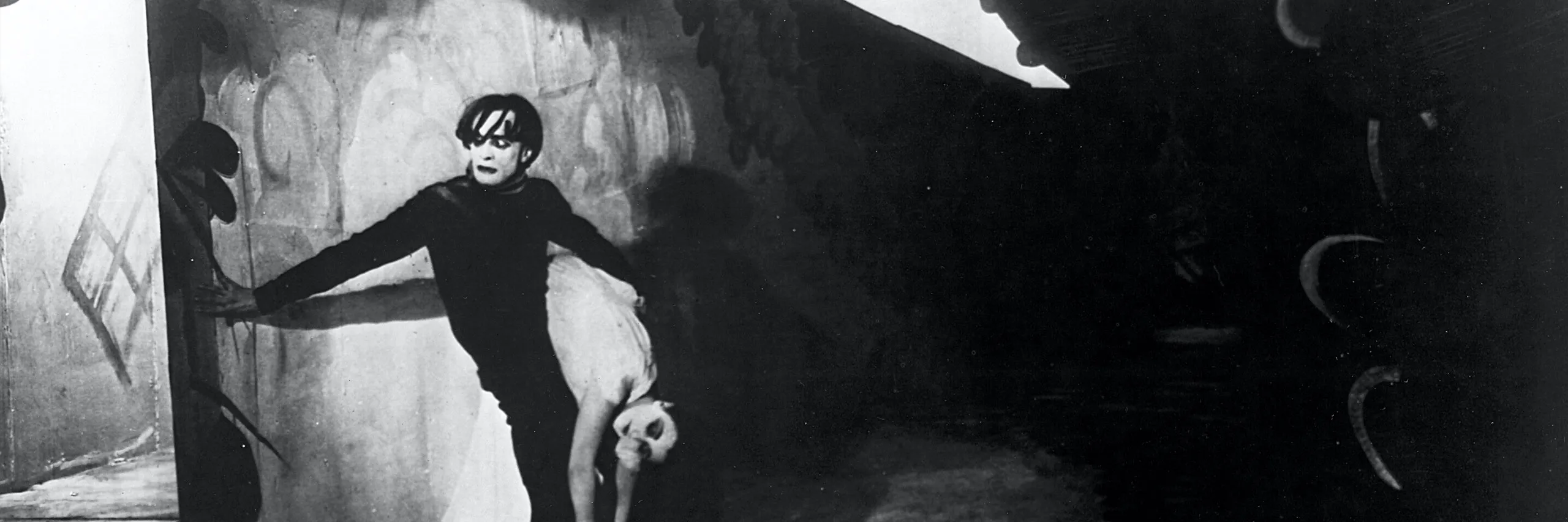
 The Cabinet of Dr. Caligari (1920)
Pre-1930s
From Méliès' trick films to German Expressionism's painted nightmares — horror was there from cinema's first flickering moments.
History
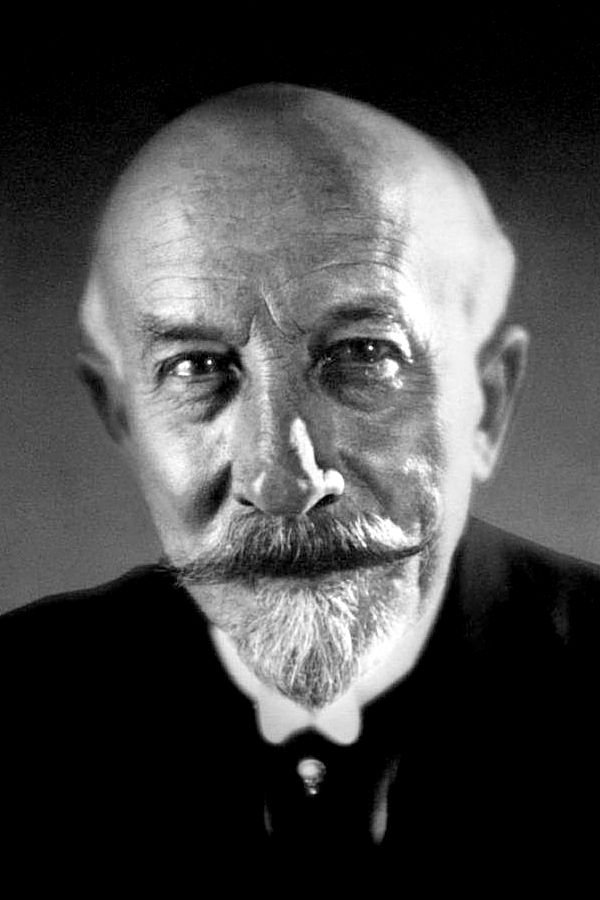
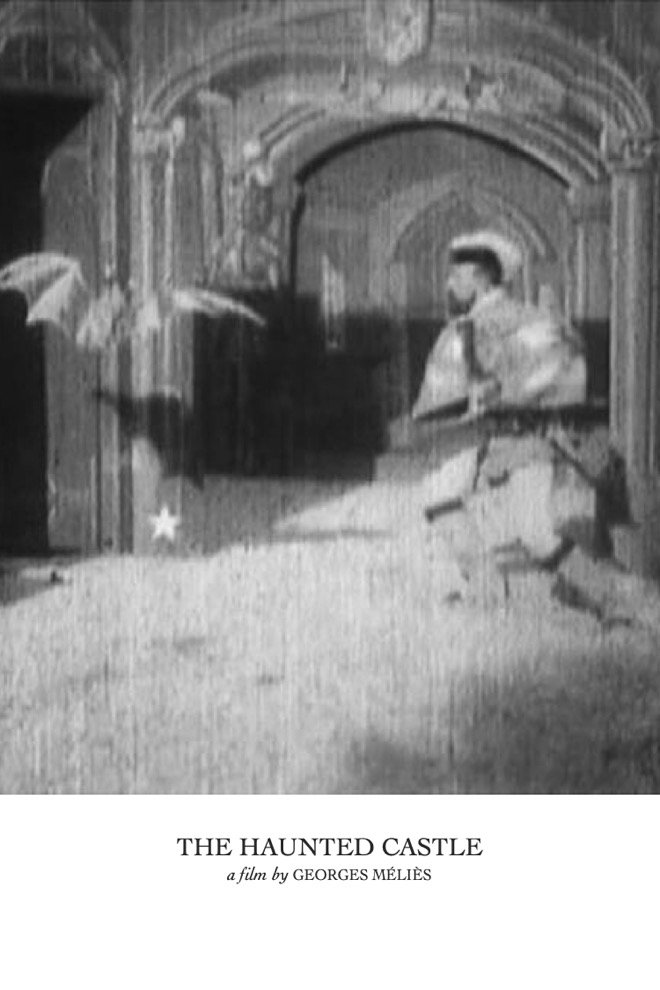
Horror cinema emerged alongside cinema itself in the 1890s, with Georges Méliès leading the charge through his theatrical magic films like Le Manoir du Diable (1896), regularly cited as the first horror film ever made — a three-minute trick film featuring a bat-demon, skeletons, and a cross-wielding cavalier. These early French works drew heavily from Gothic literature, stage melodramas, and Grand Guignol theater, translating centuries-old fears into the new medium of moving pictures. In the United States, Edison Studios' Frankenstein (1910) marked the first filmed version of Shelley's novel, while across the Atlantic Germany's Stellan Rye produced The Student of Prague (1913), laying the groundwork for the psychological horror that would define the following decade. Paul Wegener's 1915 Der Golem (largely lost) established the artificial-being archetype — a rabbi who animates a clay creature to protect Prague's Jewish community.
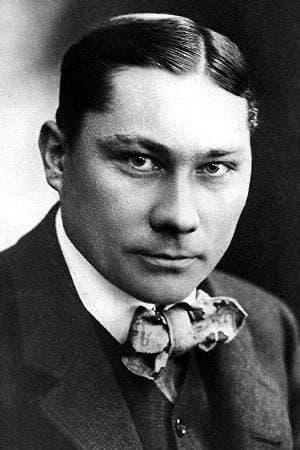
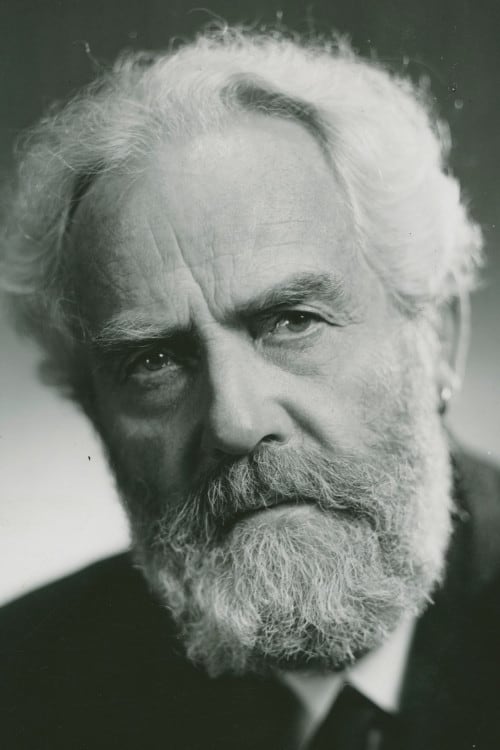
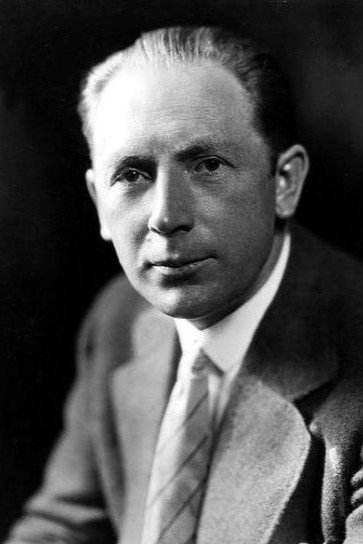
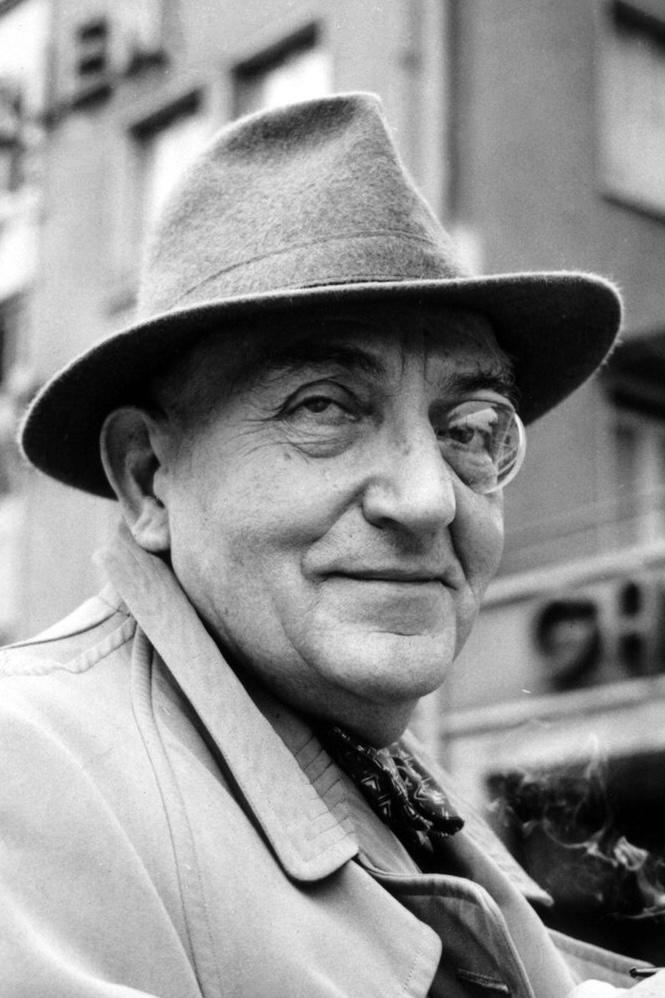
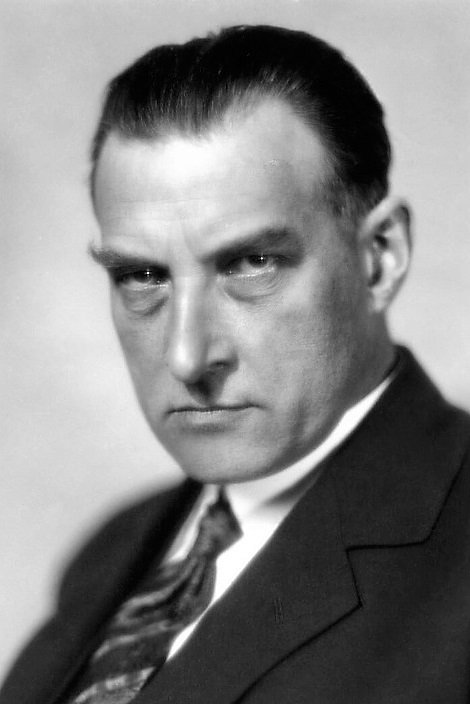
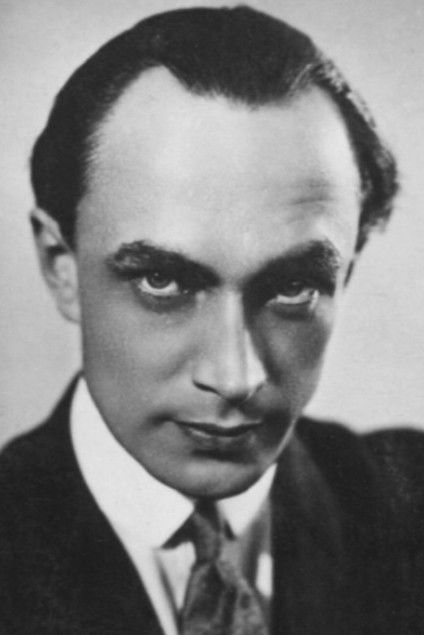
The 1920s represented horror's artistic peak in the silent era, dominated by German Expressionism's angular shadows and psychological depth. Robert Wiene's The Cabinet of Dr. Caligari (1920) revolutionised the genre with its subjective reality and painterly visual design; Wegener returned to The Golem: How He Came Into the World (1920) with a more ambitious retelling that cemented the artificial-being archetype. F. W. Murnau's Nosferatu (1922), an unauthorized Dracula adaptation written by Henrik Galeen, created cinema's first iconic vampire despite legal challenges from the Stoker estate. Fritz Lang's Dr. Mabuse, the Gambler (1922) introduced the criminal-mastermind archetype, and Arthur Robison's Warning Shadows (1923) extended Expressionist shadow play into a single-set chamber piece. Paul Leni's anthology Waxworks (1924) brought Conrad Veidt, Werner Krauss, and Emil Jannings together as three historical villains in a wax museum, establishing the portmanteau horror format. Wiene's The Hands of Orlac (1924) starred Veidt as a pianist whose new hands harbor a murderer's compulsions. Murnau closed the Expressionist Gothic with Faust (1926), a vast UFA production, while Lang's Metropolis (1927) established the mad-scientist laboratory that would directly influence James Whale's Frankenstein. Henrik Galeen's 1926 remake of The Student of Prague consolidated the era's doppelgänger horror.
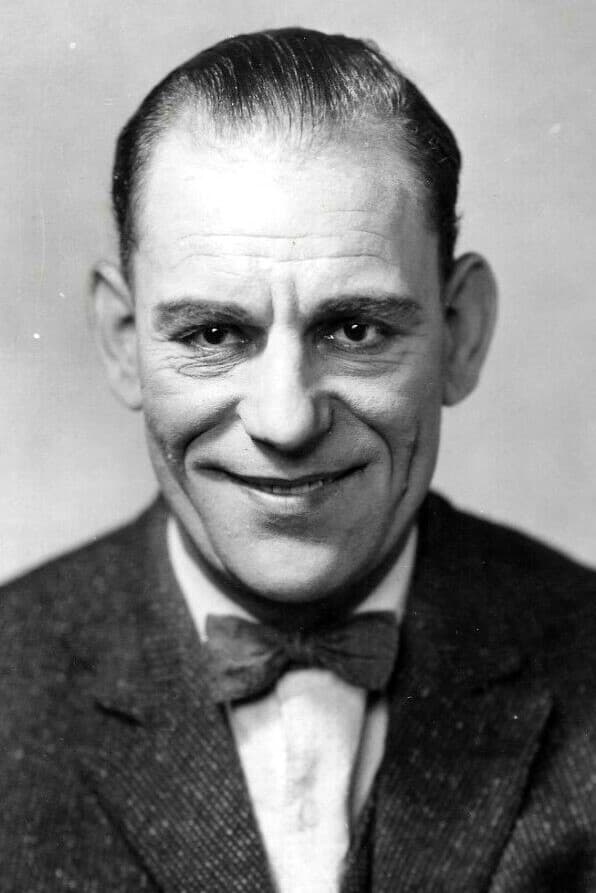
Outside Germany, Sweden's Victor Sjöström produced The Phantom Carriage (1921), a supernatural drama about a man confronting death on New Year's Eve whose pioneering double-exposure photography would influence Bergman half a century later. In Denmark, Benjamin Christensen's Swedish-Danish hybrid Häxan (1922) fused documentary and dramatization across centuries of witch persecution, becoming one of cinema's most singular explorations of superstition and cruelty. American horror in the 1920s developed its own identity through the work of Lon Chaney Sr., "The Man of a Thousand Faces," whose transformative performances in The Hunchback of Notre Dame (1923) and The Phantom of the Opera (1925) established the template for sympathetic monsters. Tod Browning's Chaney collaborations — The Unholy Three (1925), The Unknown (1927), and the now-lost London After Midnight (1927) — combined sideshow spectacle with genuine pathos, creating complex characters whose physical deformities reflected society's treatment of outcasts. Conrad Veidt's Universal lead in The Man Who Laughs (1928), with his rictus-grin makeup, directly inspired Batman's Joker decades later.
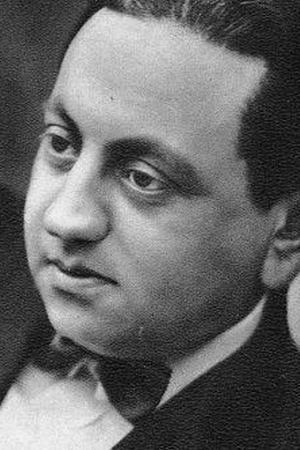
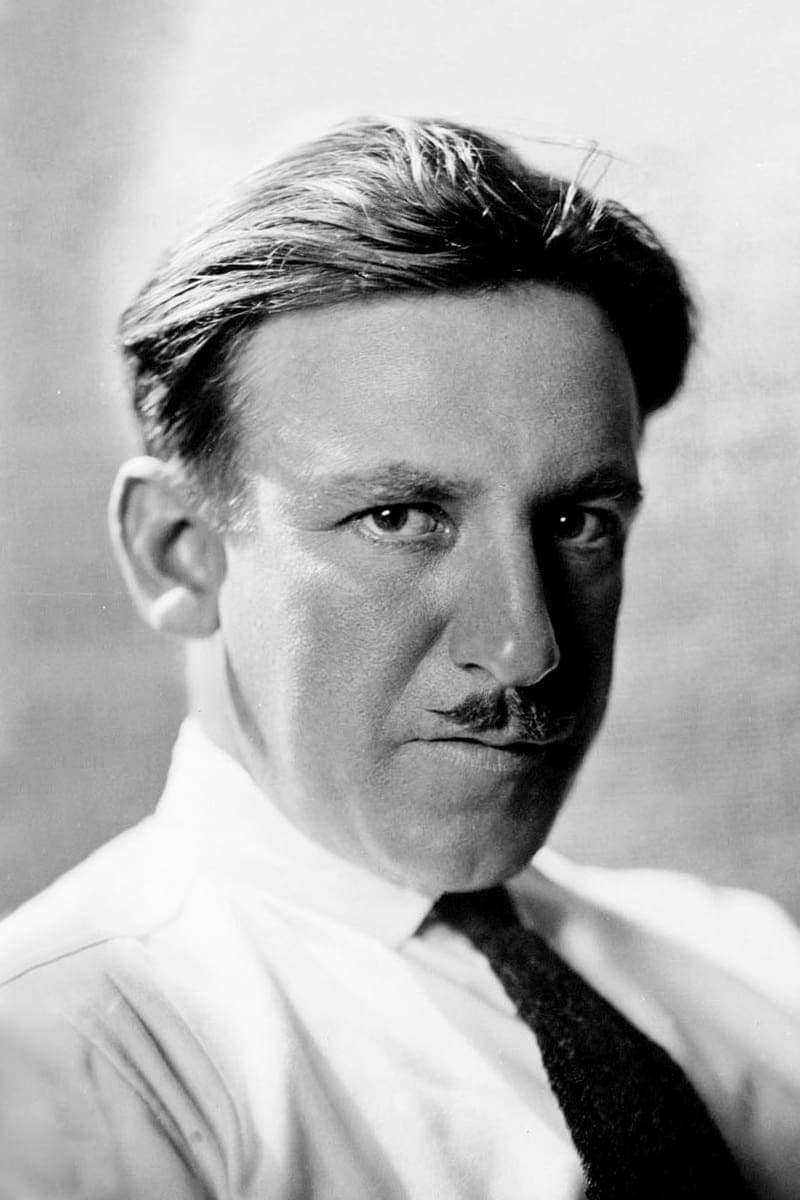
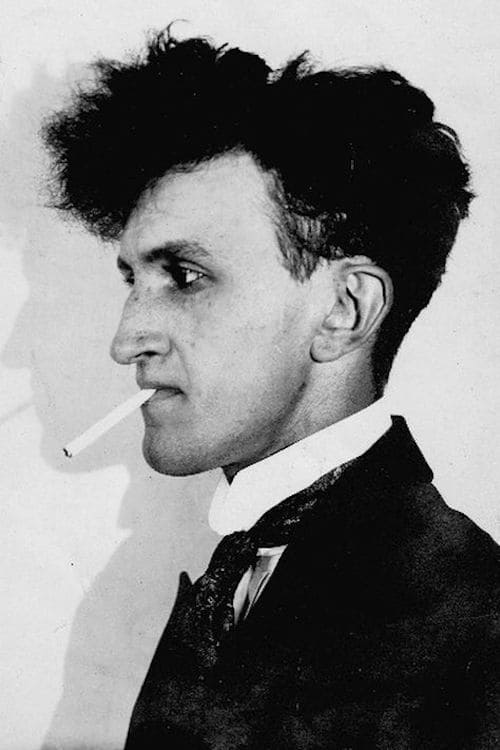
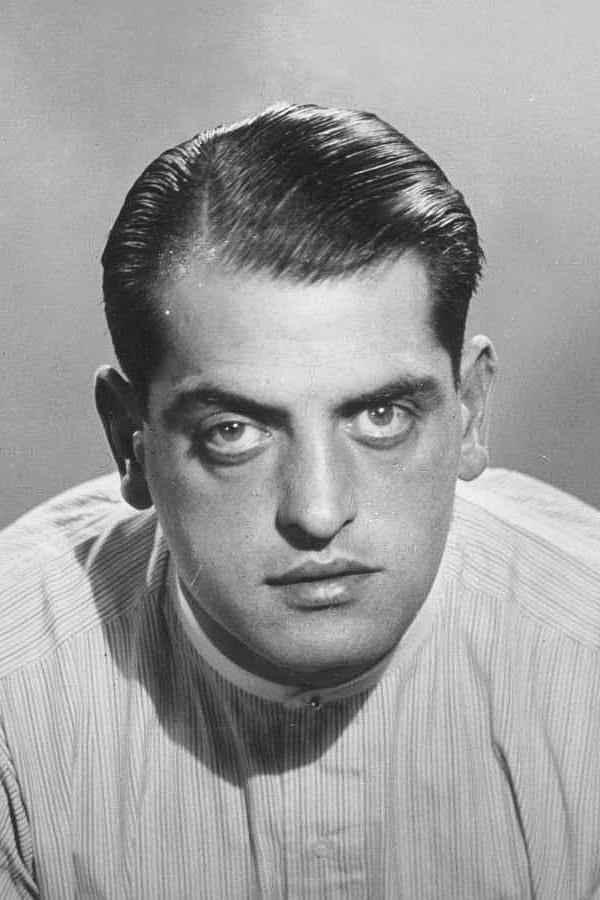
The decade closed with the era's most singular experiments. Jean Epstein's French The Fall of the House of Usher (1928) brought Poe to silent-era surrealism, and Luis Buñuel (with Salvador Dalí) produced Un Chien Andalou (1929), whose infamous razor-and-eye sequence remains one of cinema's most assaultive images. When sound arrived at the end of the decade, German Expressionism's émigré filmmakers — Karl Freund, Paul Leni, Karl Struss, Edgar Ulmer — would carry the visual vocabulary developed across this period directly into Hollywood, where it would shape Universal's Frankenstein and Dracula and the entire foundation of American sound horror to come.
Essential Films
Le manoir du diable
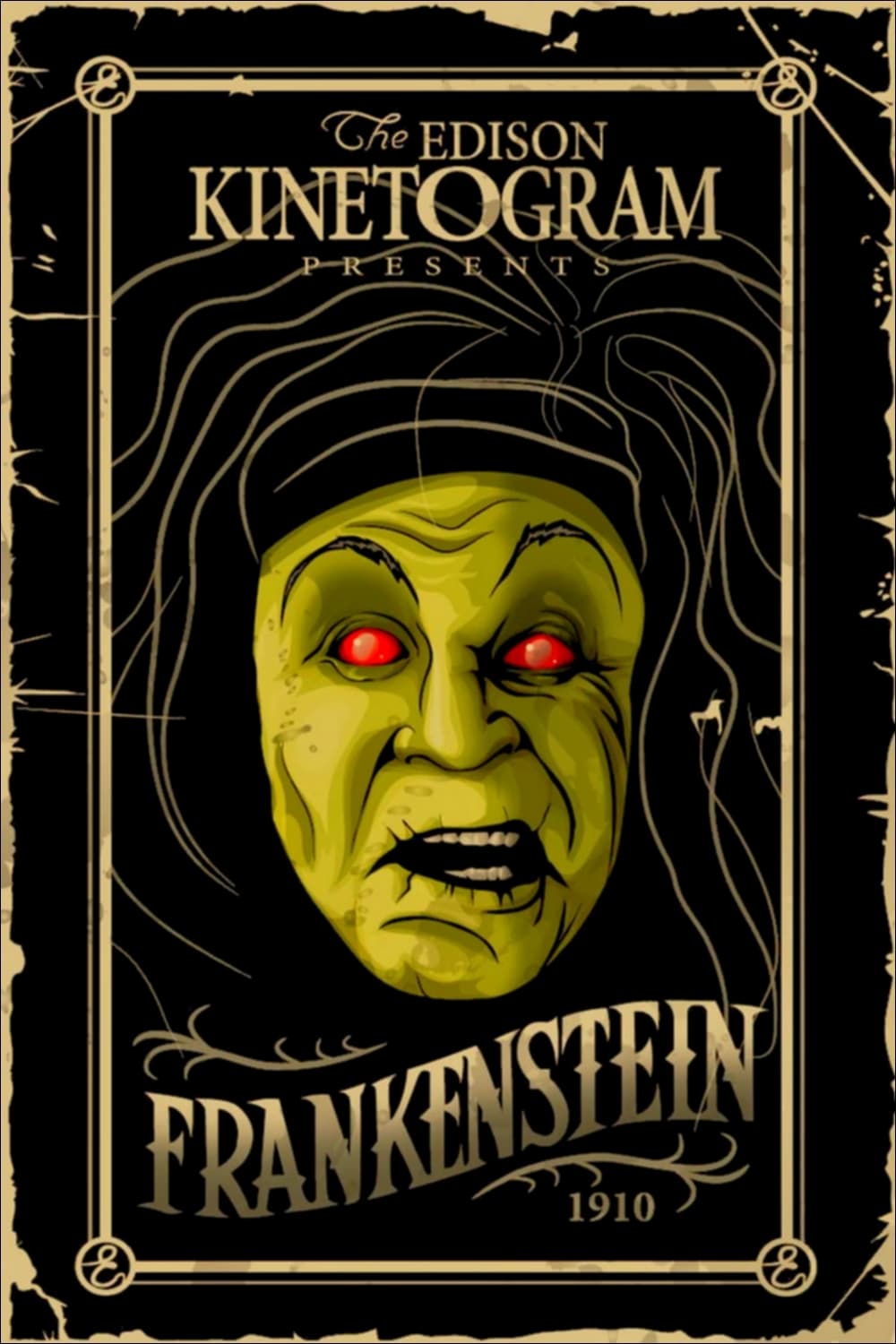
Frankenstein

The Student of Prague
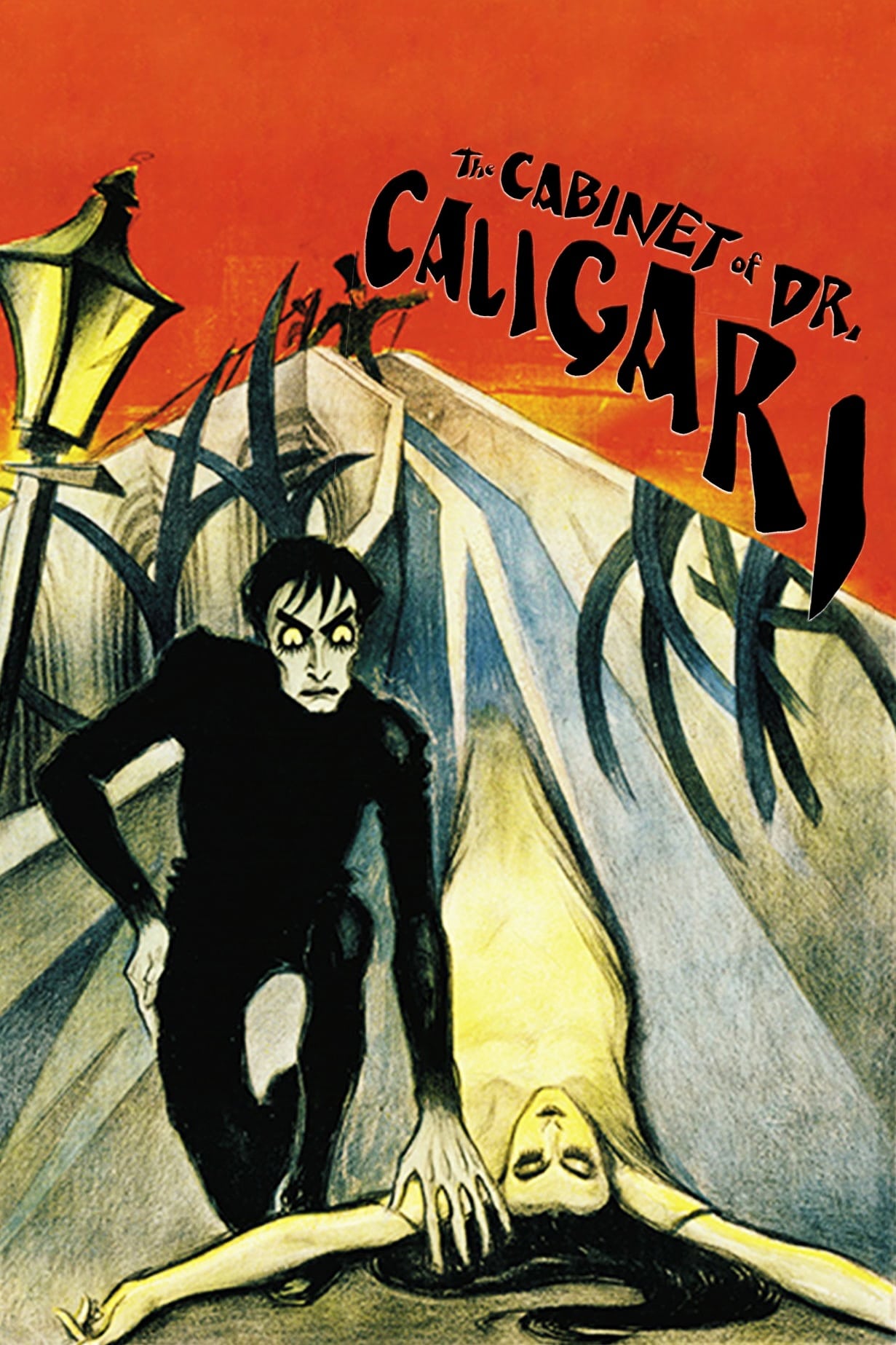
The Cabinet of Dr. Caligari
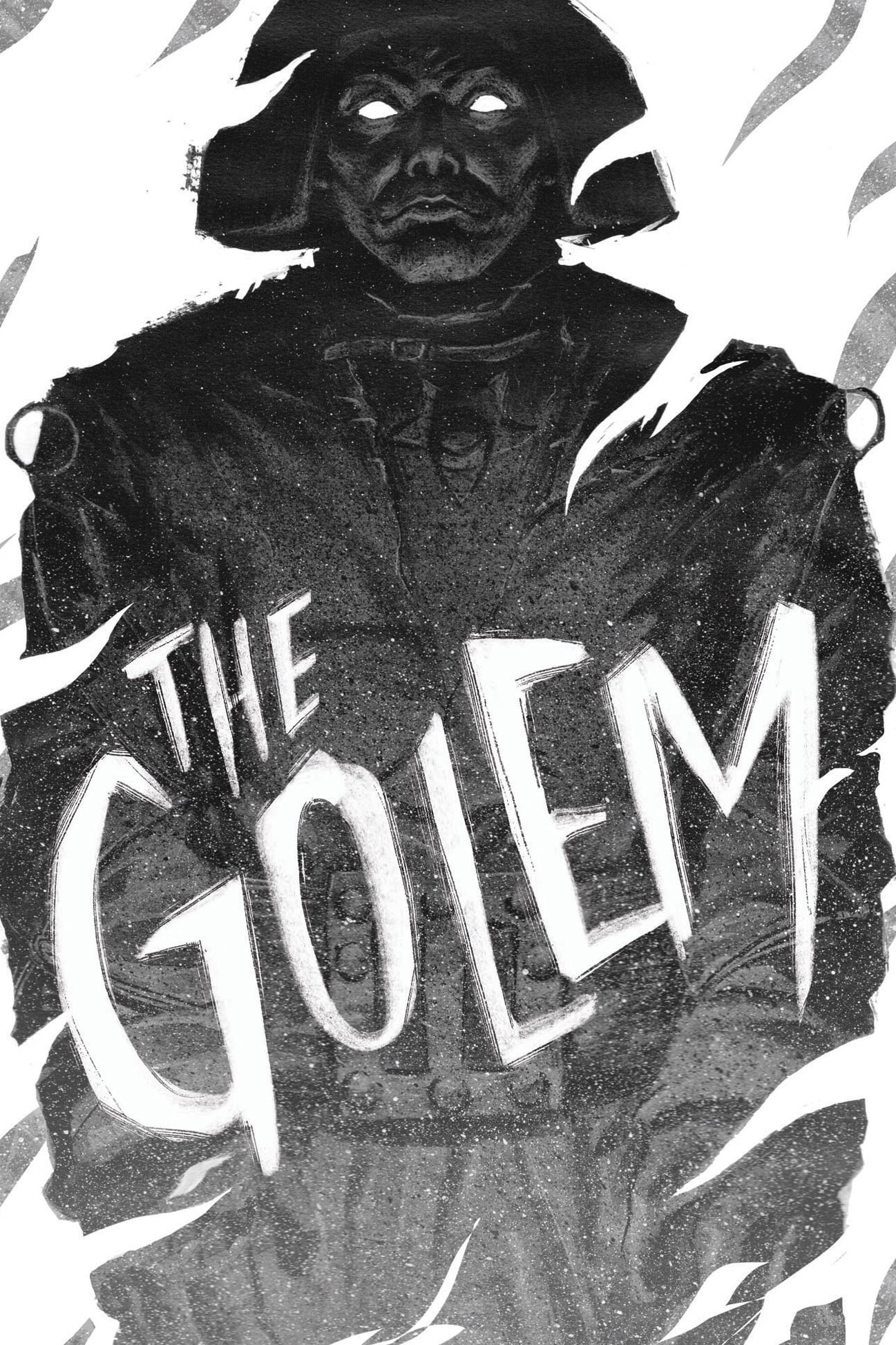
The Golem: How He Came into the World
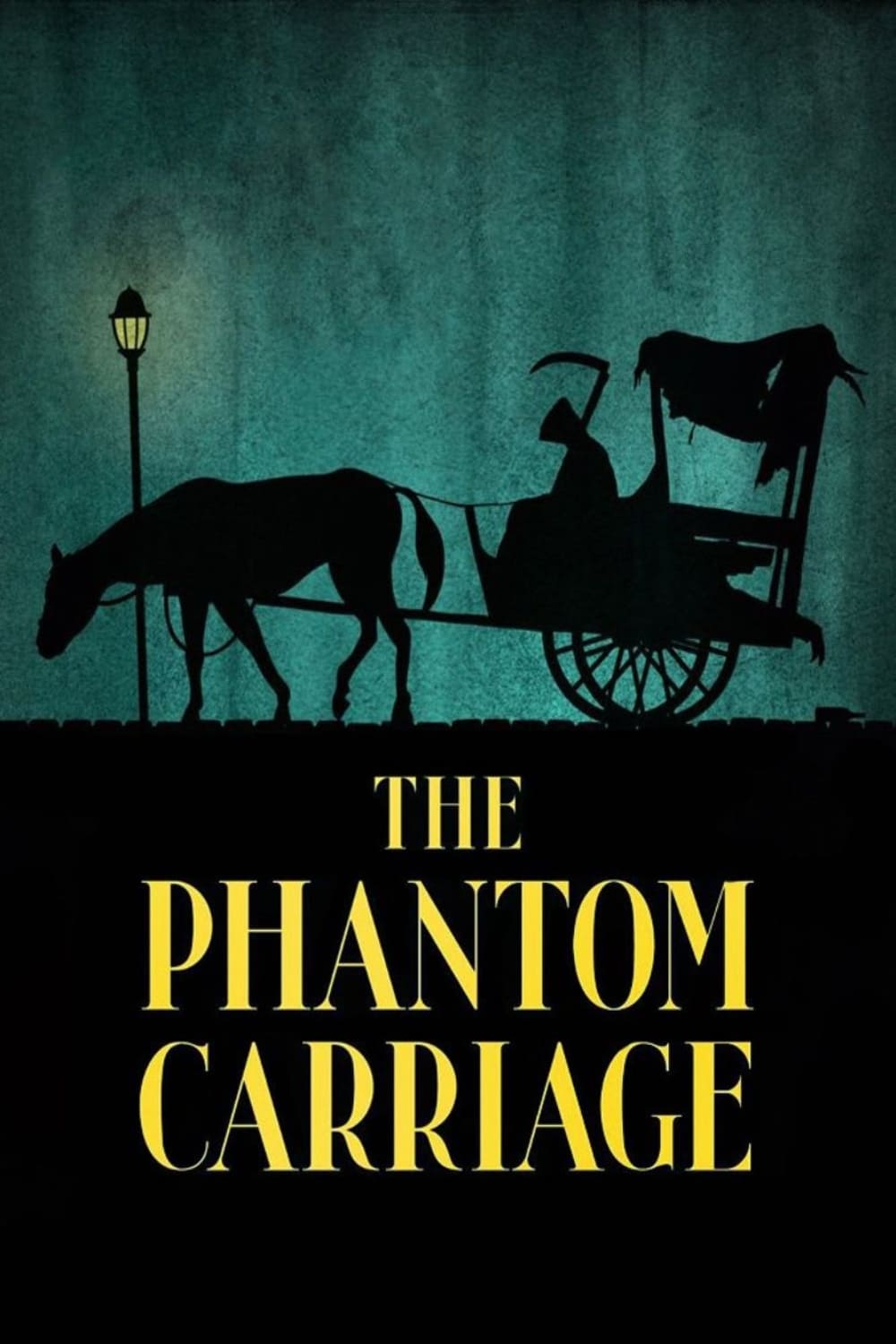
The Phantom Carriage
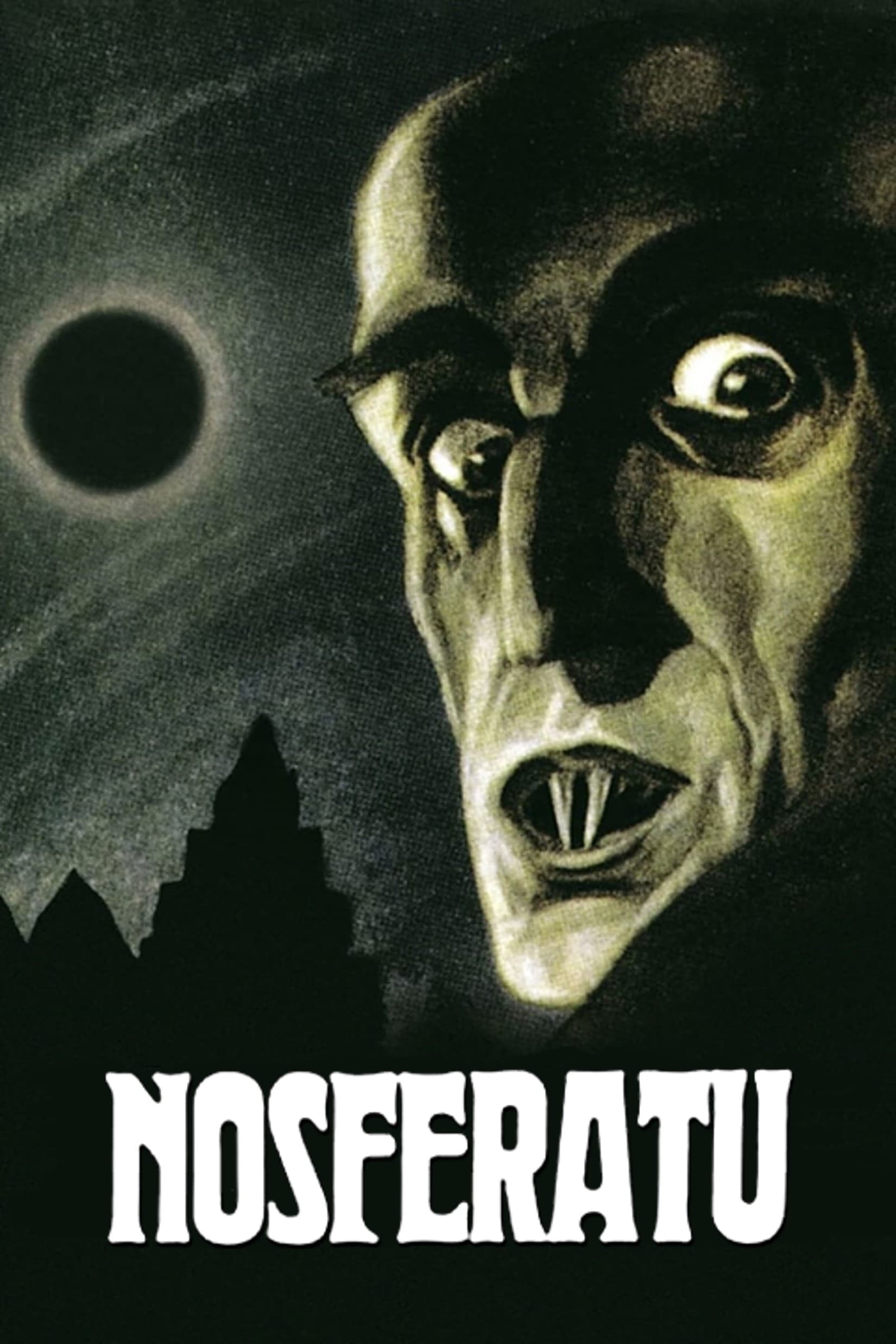
Nosferatu
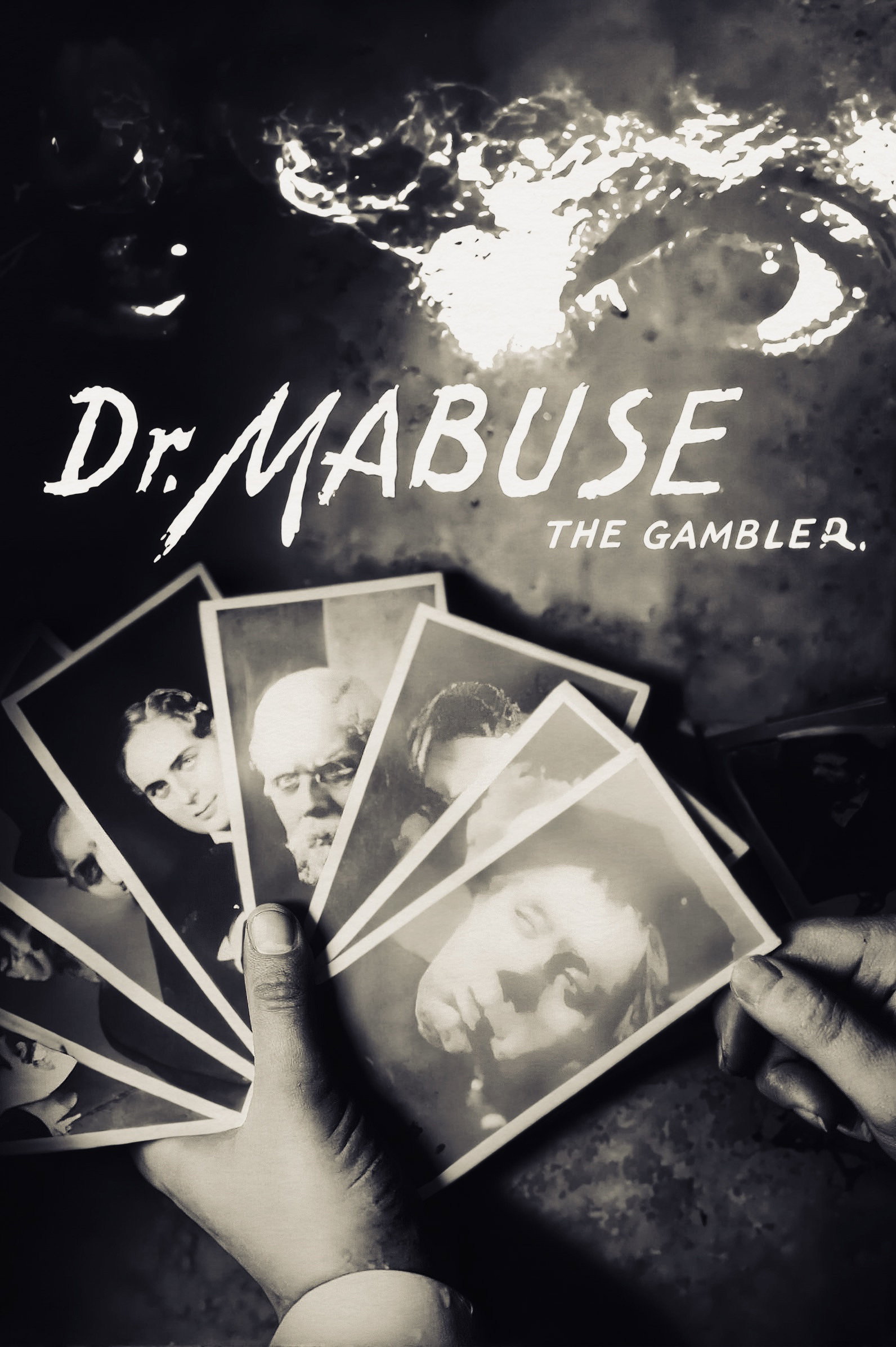
Dr. Mabuse, the Gambler
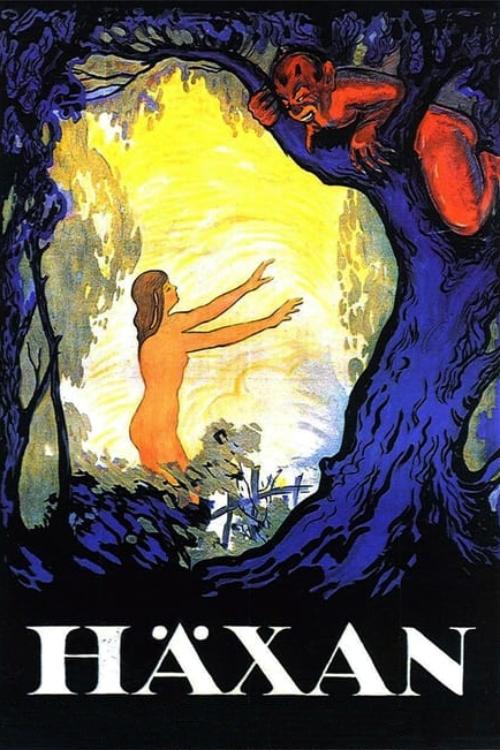
Häxan
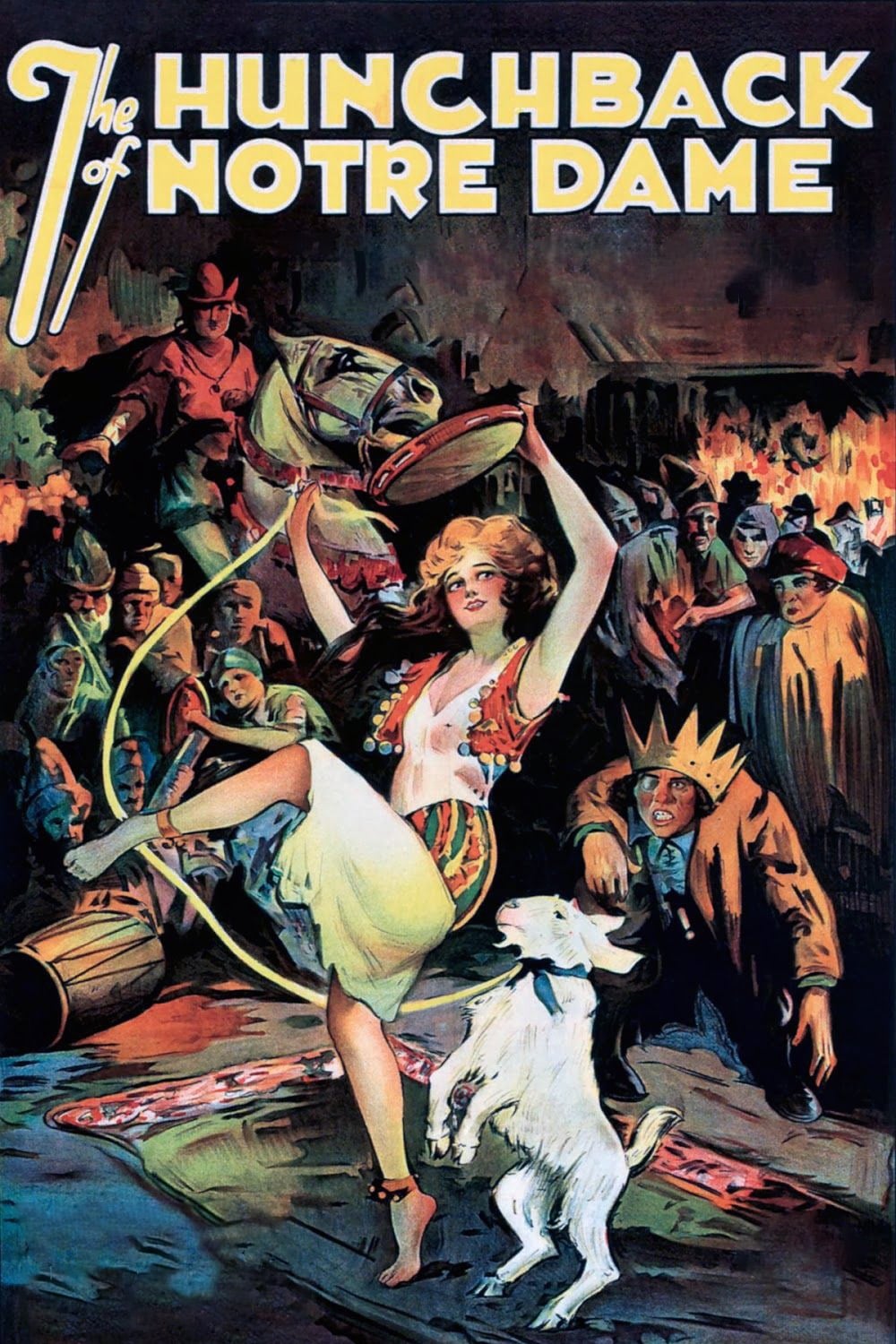
The Hunchback of Notre Dame
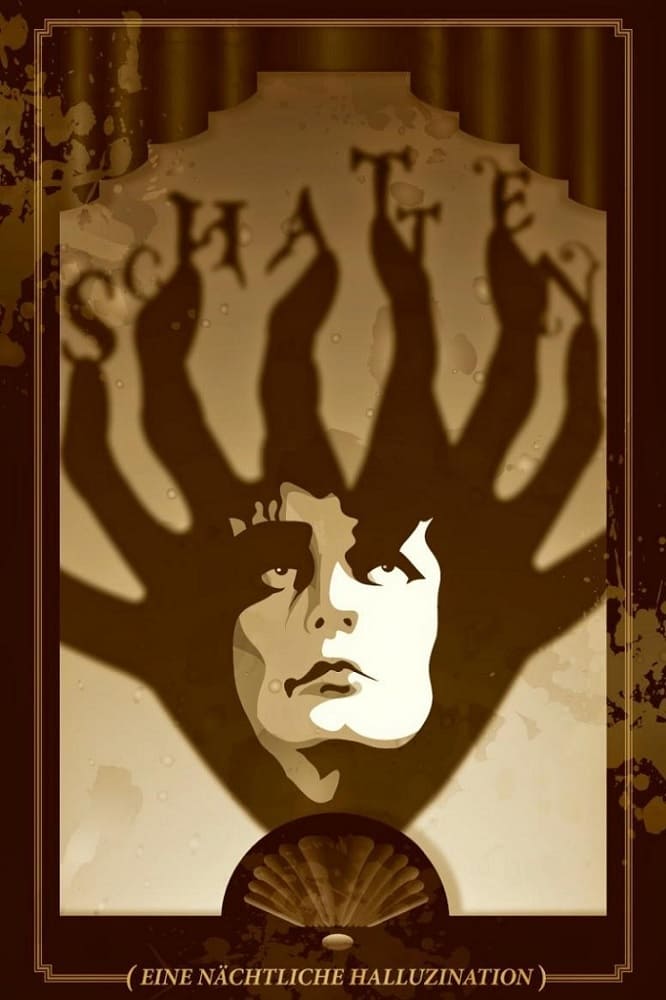
Warning Shadows
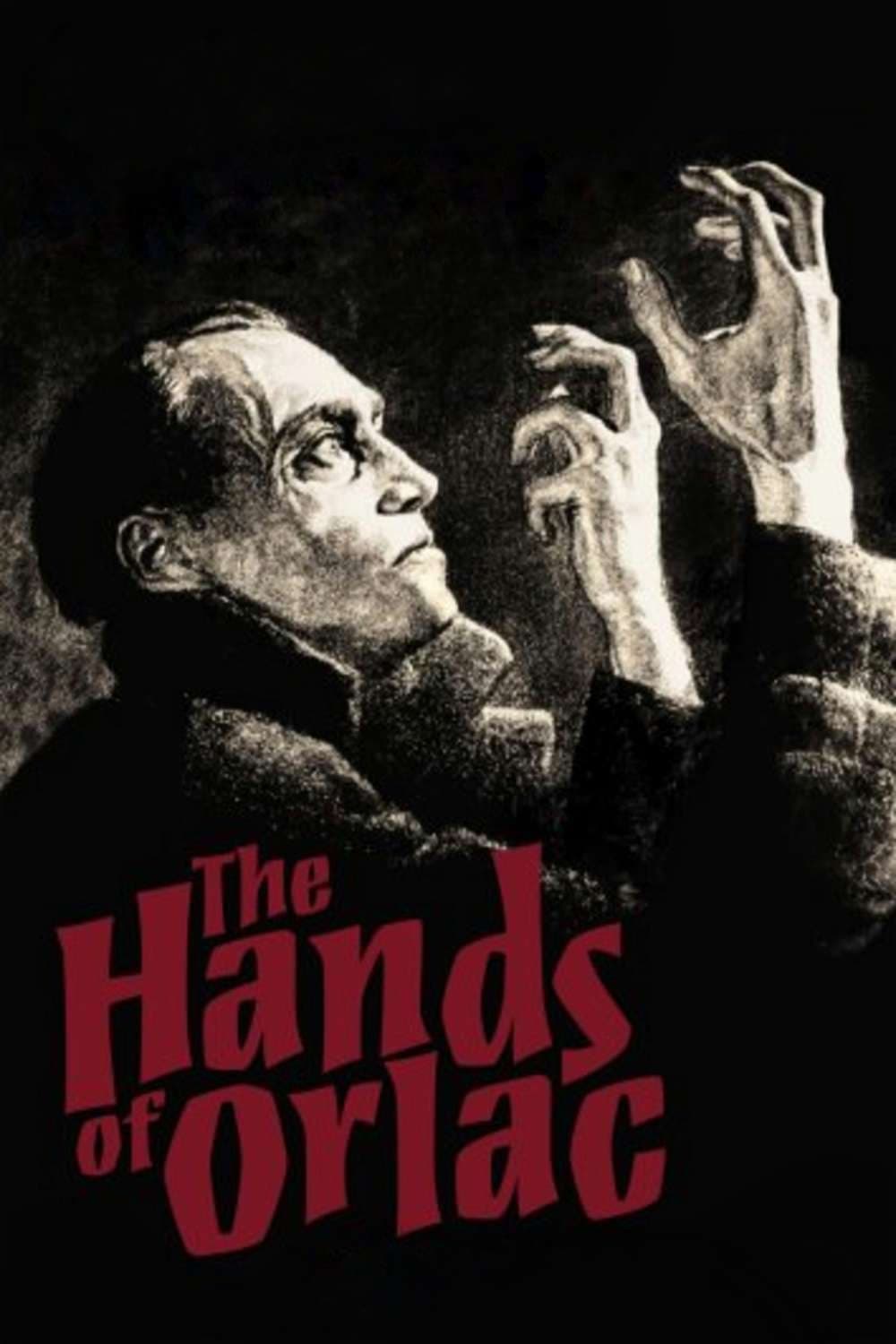
The Hands of Orlac
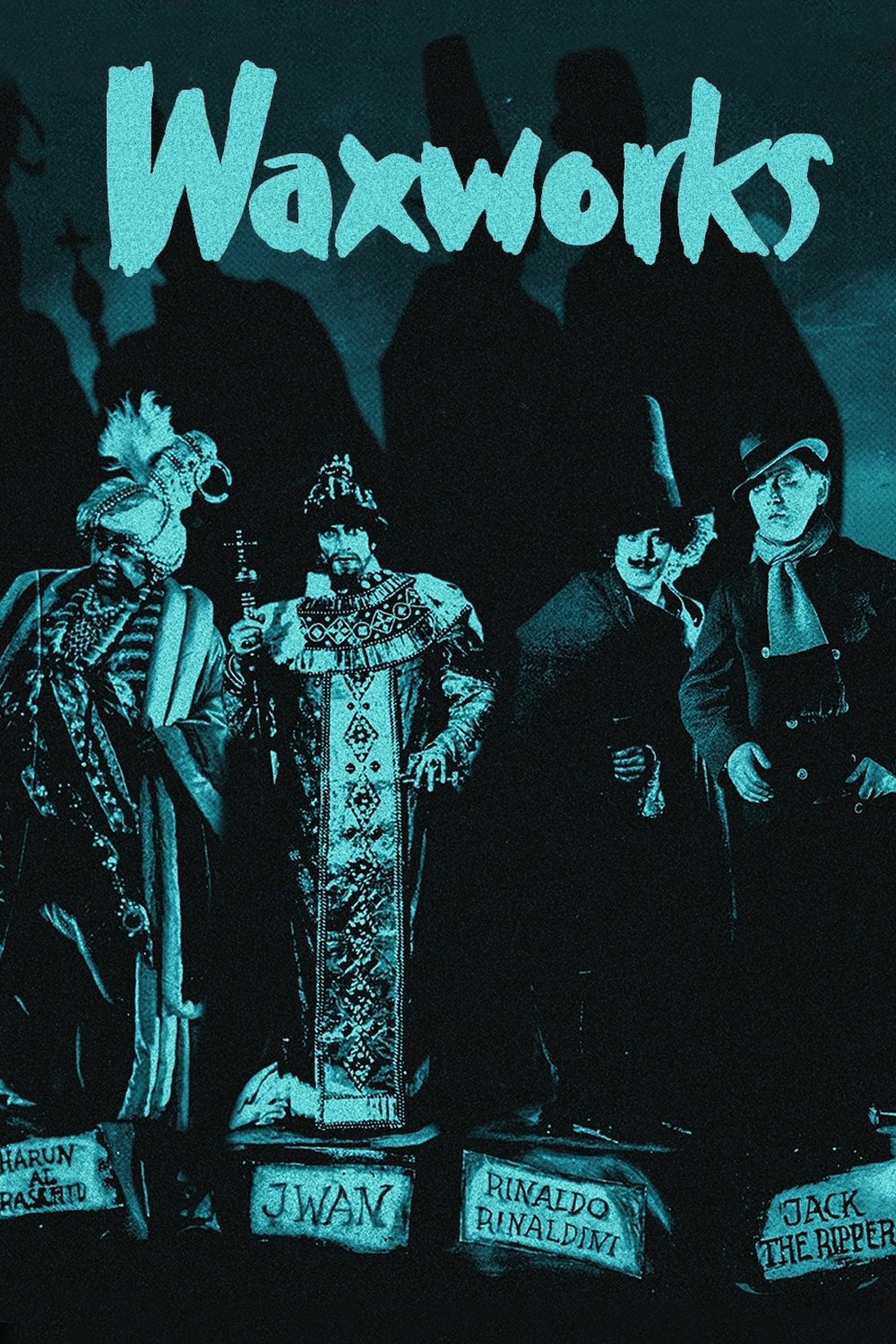
Waxworks
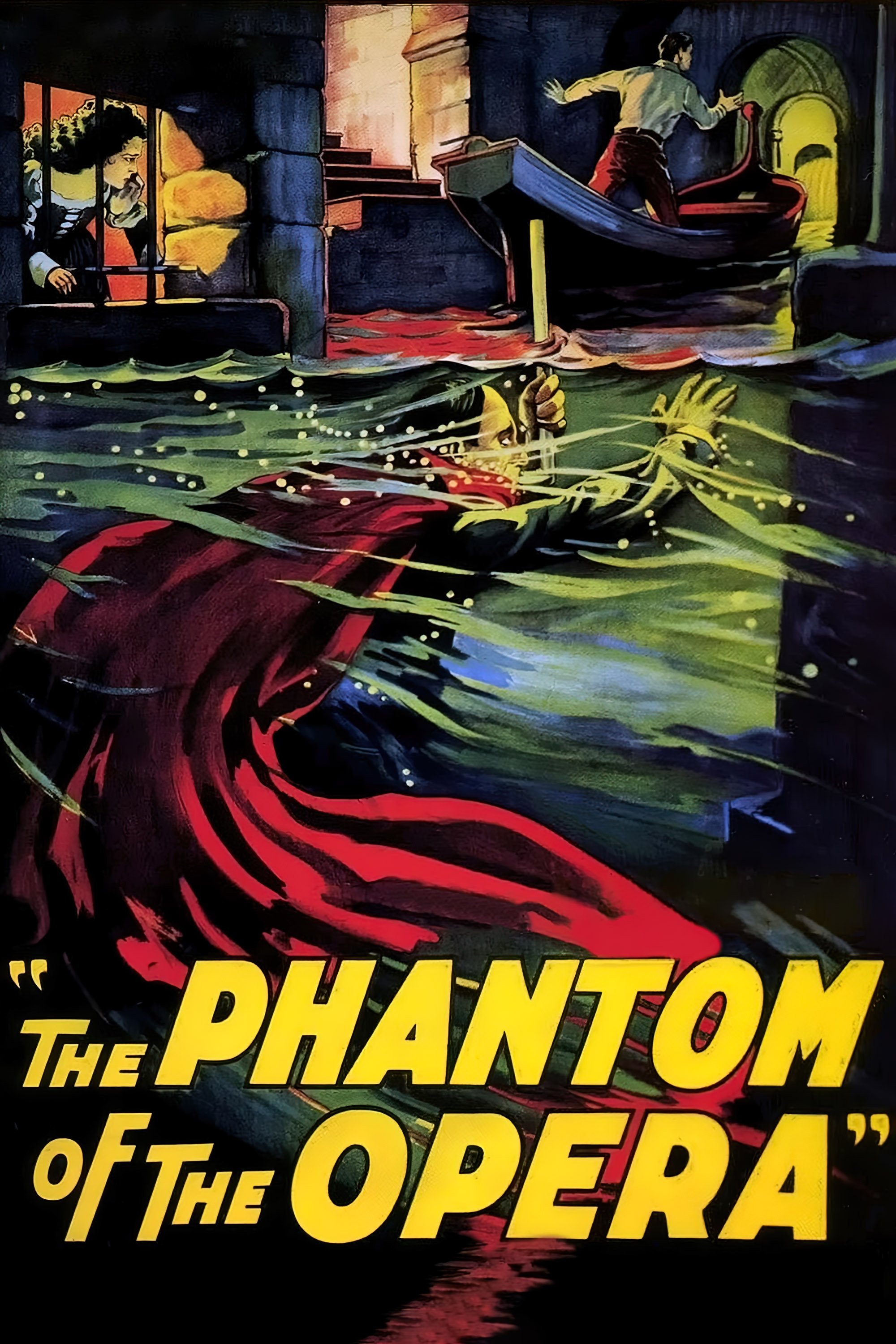
The Phantom of the Opera
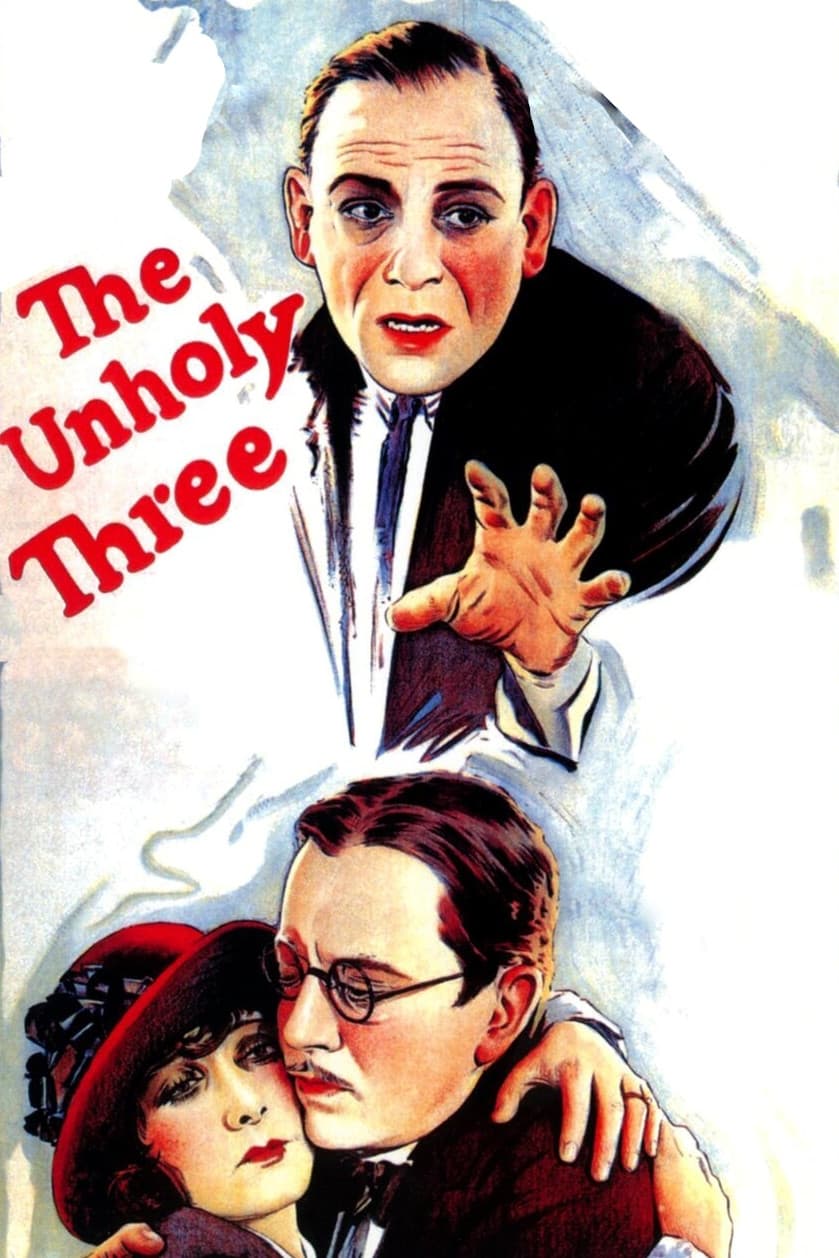
The Unholy Three
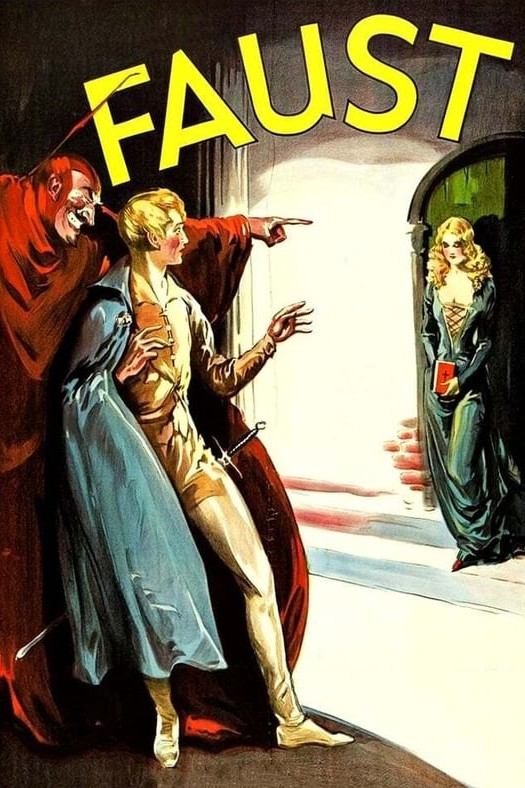
Faust
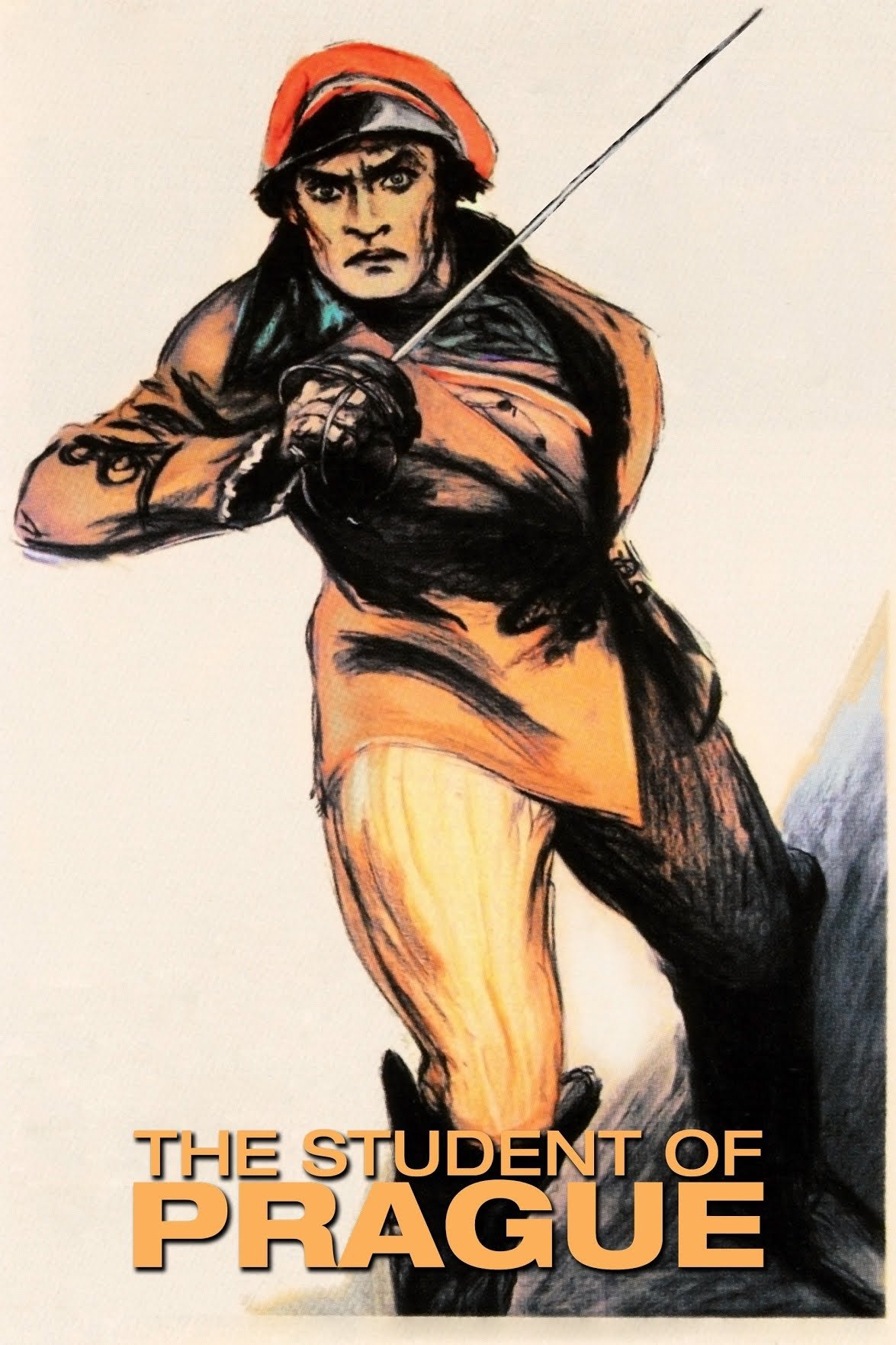
The Student of Prague
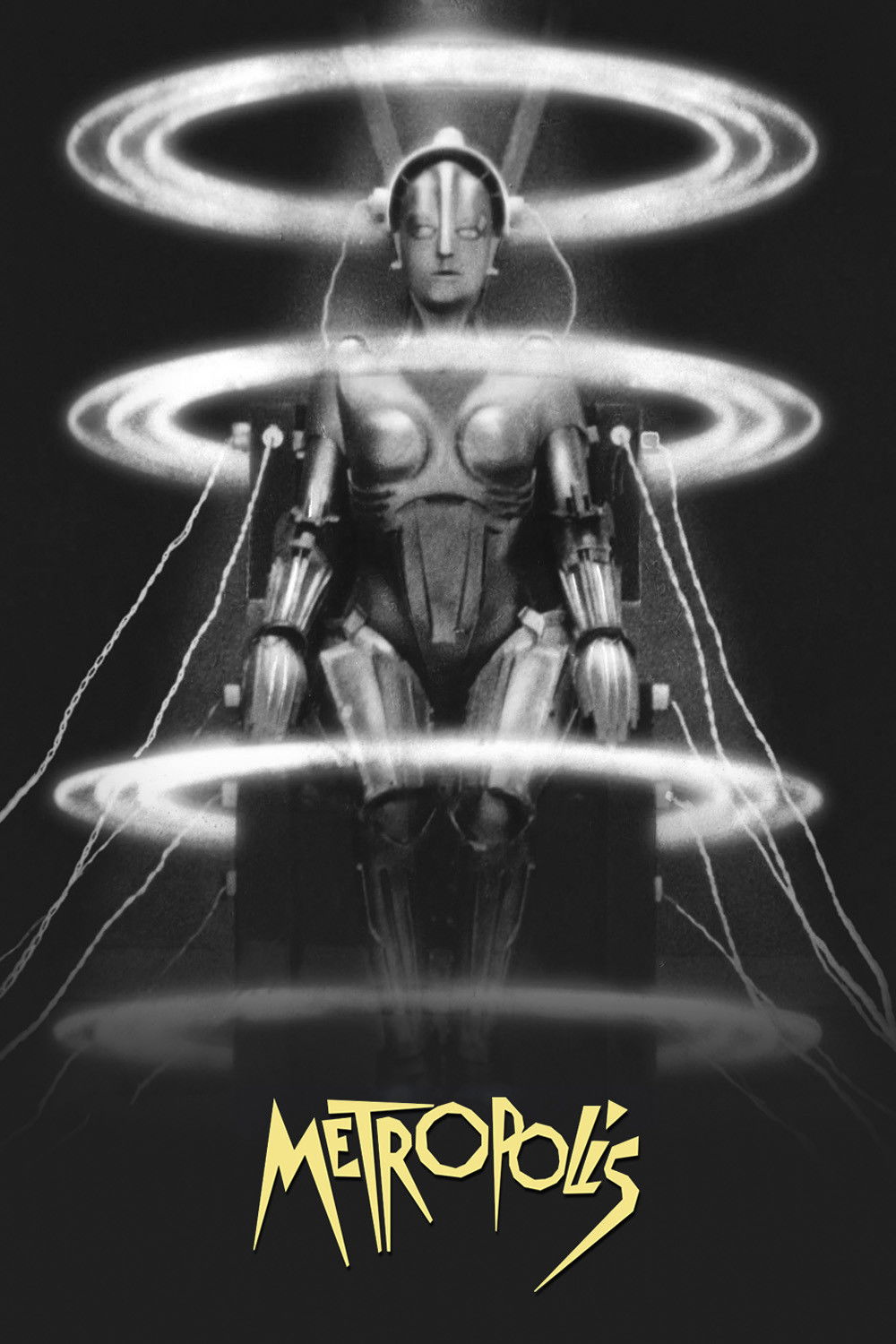
Metropolis
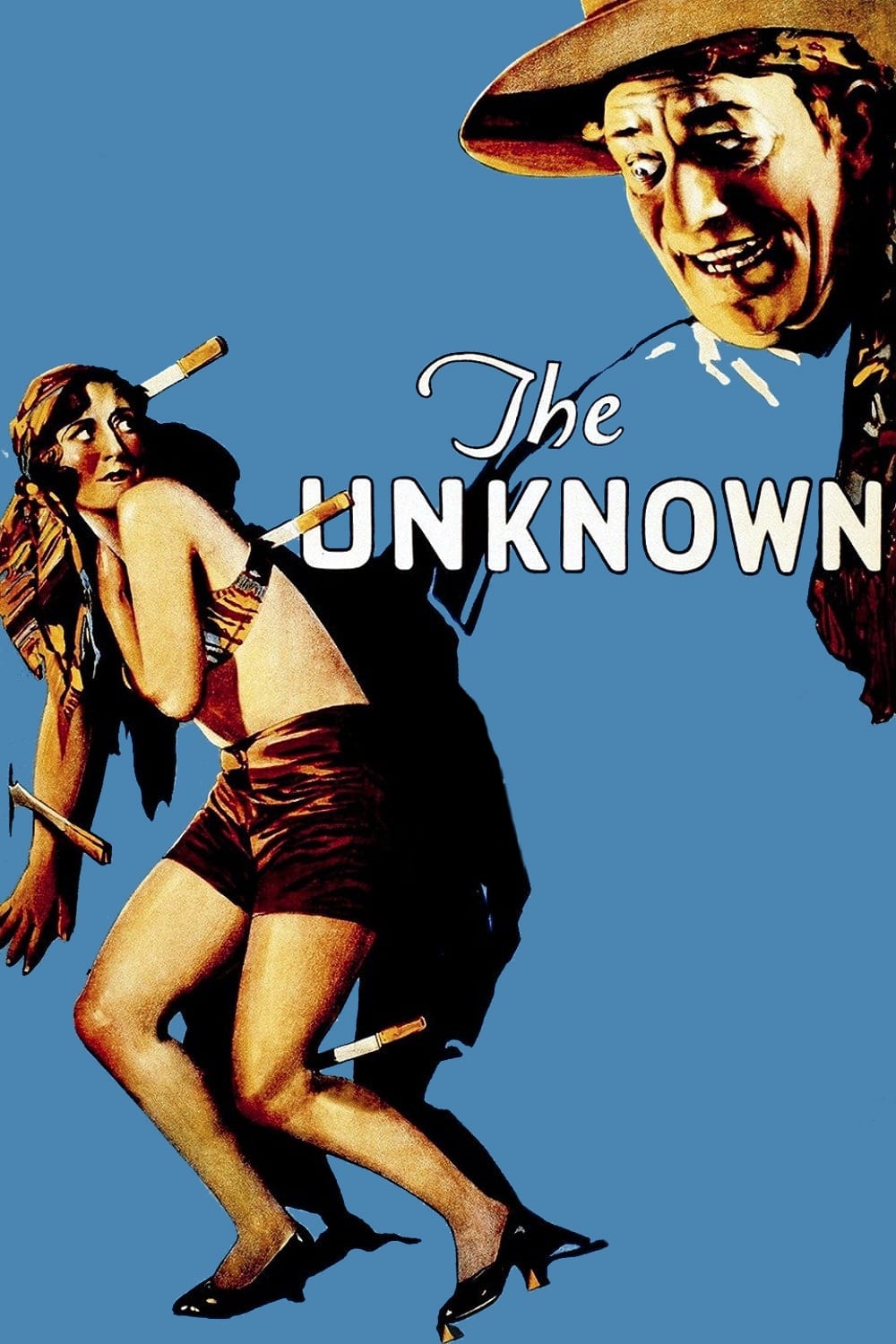
The Unknown

London After Midnight
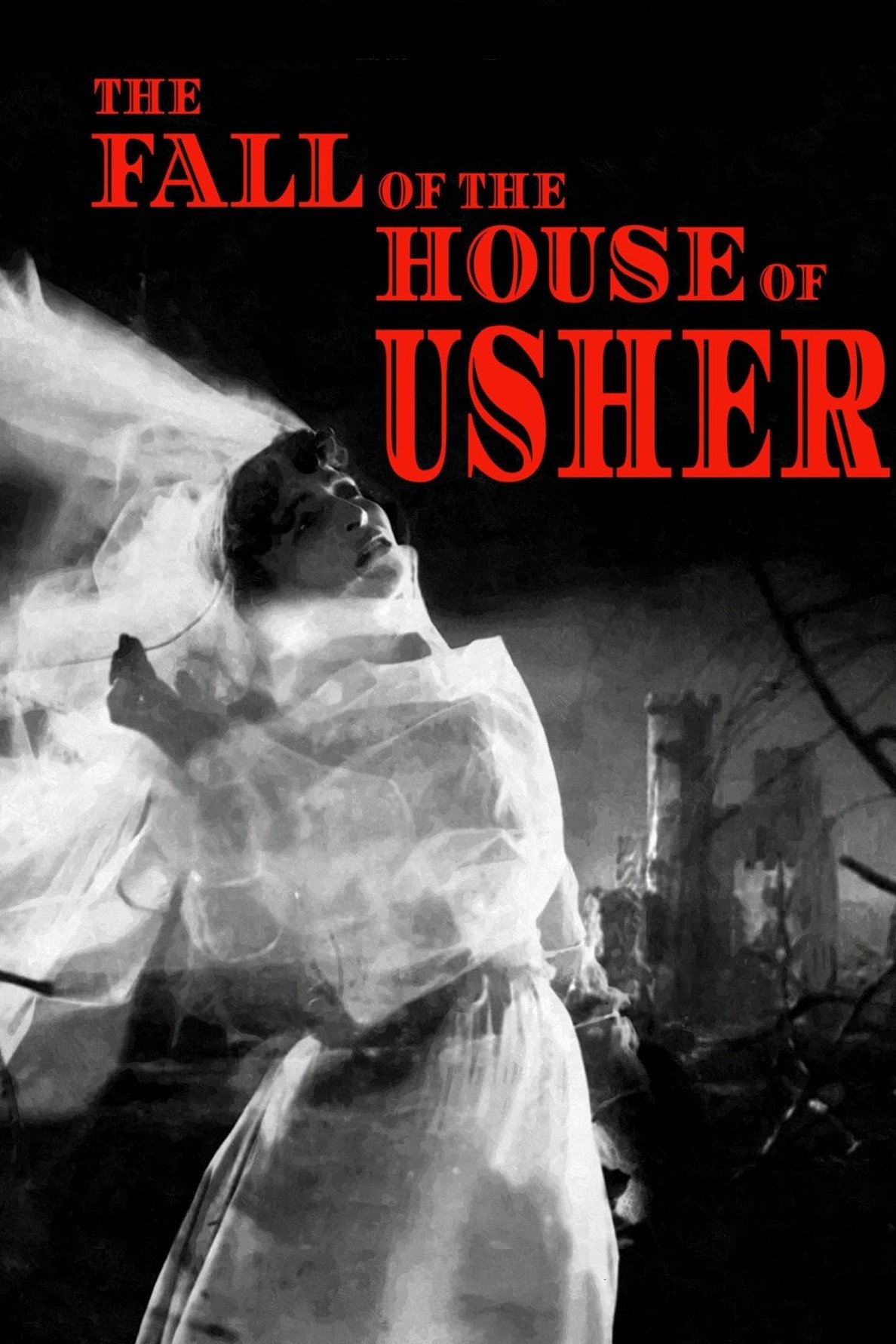
The Fall of the House of Usher
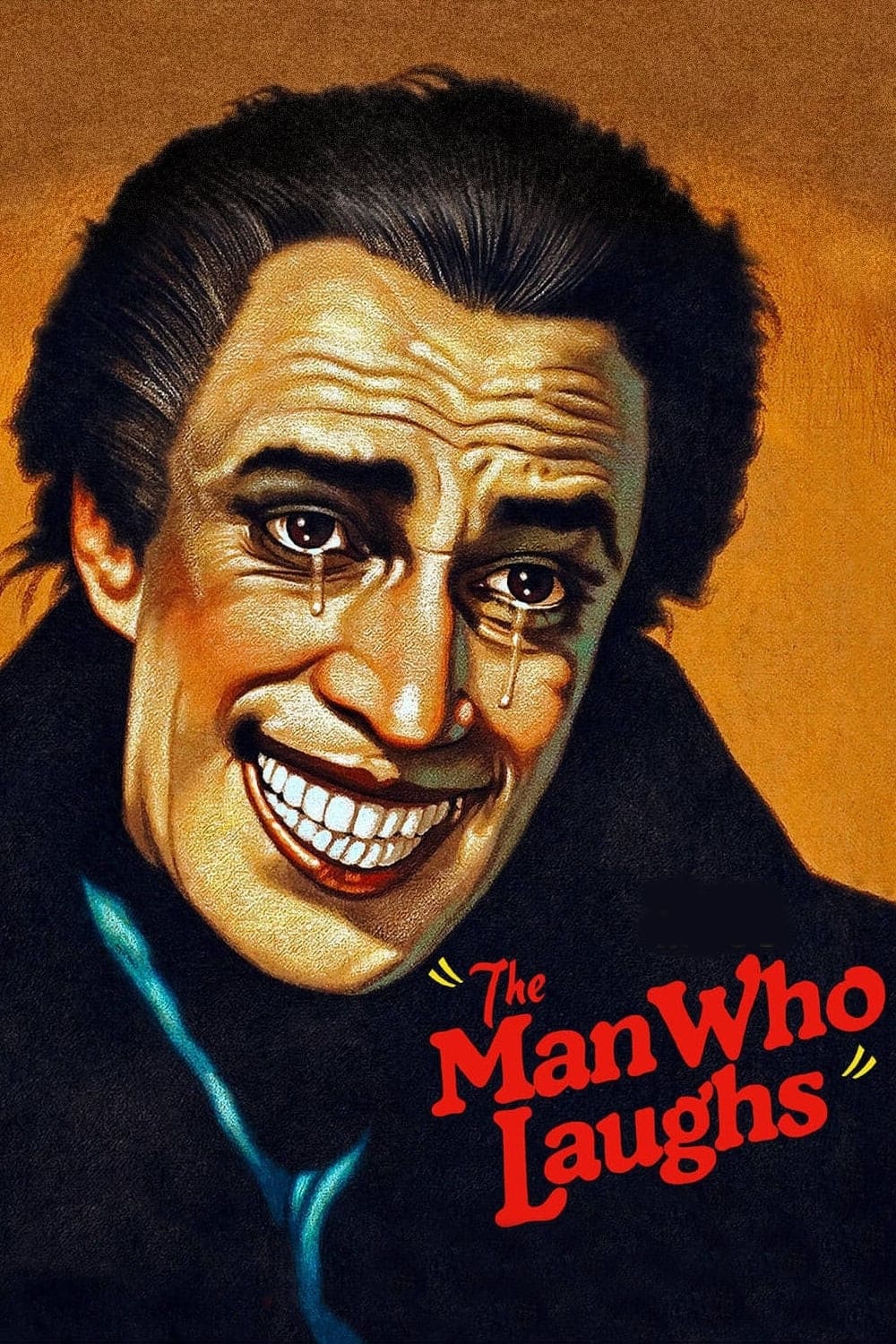
The Man Who Laughs
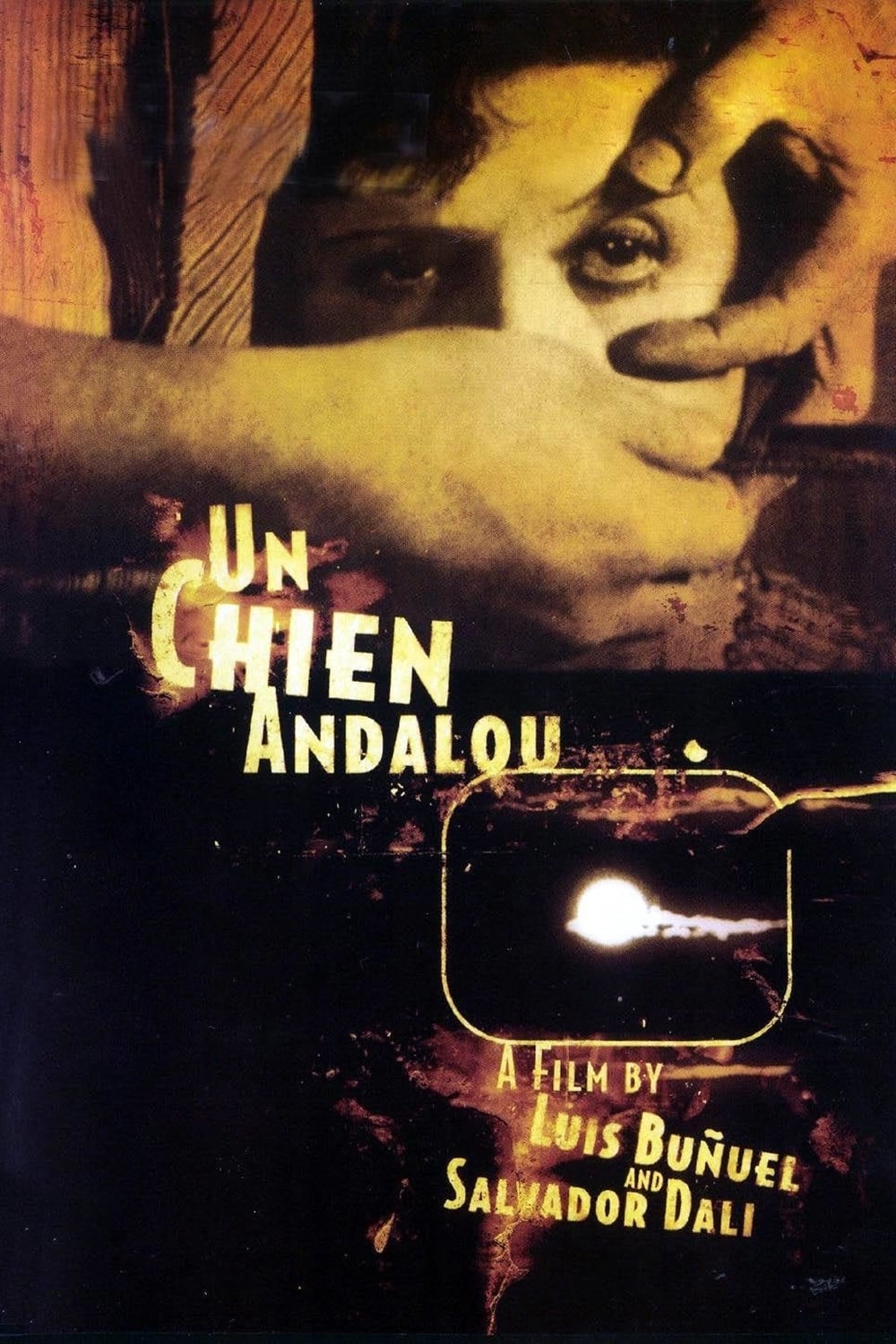
Un Chien Andalou
Statistics
Top Subgenres
Top Countries
Percentage of Pre-1930s horror films by country of production.